
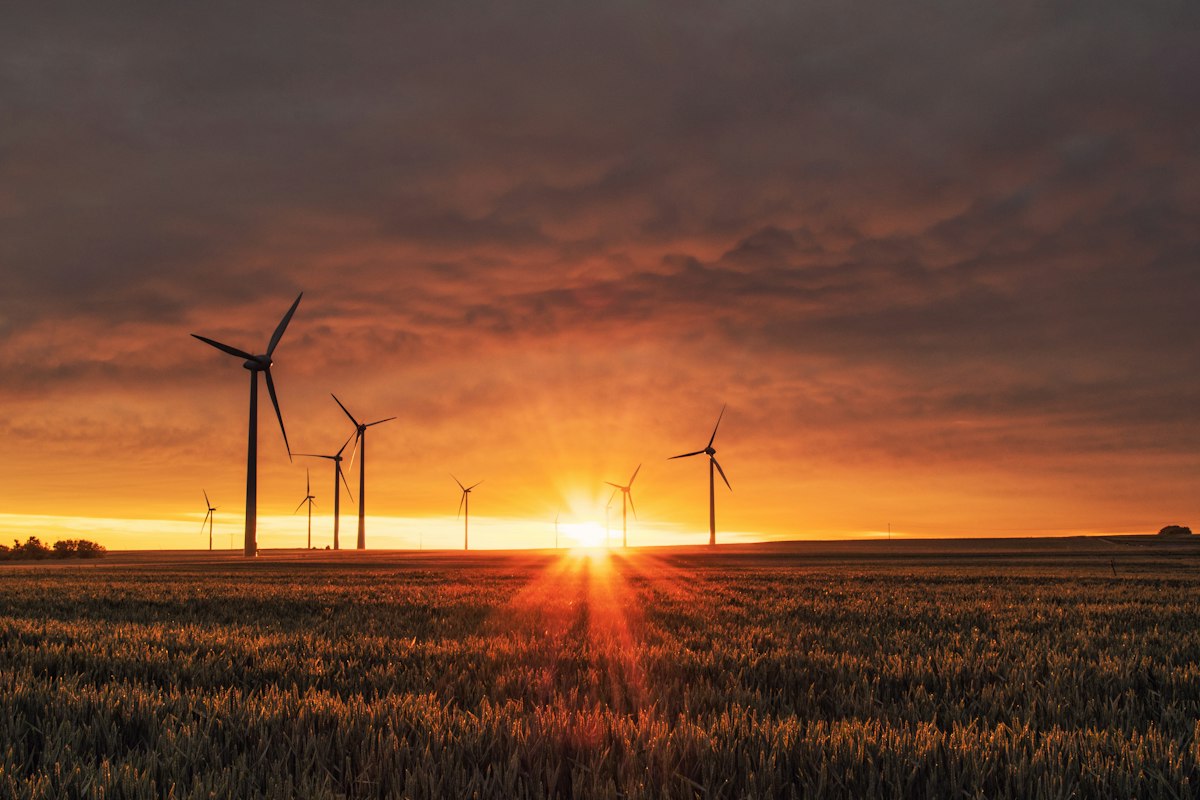
West Texas is experiencing a renaissance in wind energy initiatives, with several new projects scheduled to come online in late 2026, further solidifying its reputation as a wind power hub.
The Texas Wind Energy Coalition announced that over 3,000 megawatts of wind power capacity will be added by the end of this year, primarily through projects in Midland and Odessa. This expansion is expected to create approximately 2,000 jobs in the region.
In particular, the newly approved Midland Wind Farm, which is backed by NextEra Energy, is projected to generate electricity for more than 400,000 homes and reduce carbon emissions by an estimated 2 million tons annually.
"Wind energy not only helps us meet our renewable energy goals but also drives economic growth in our communities," said Mark Johnson, Director of the Texas Wind Energy Coalition. "We are committed to ensuring that West Texas remains a leader in this vital sector."
In tandem with these expansions, local governments are investing in infrastructure improvements to support the development of wind energy. New transmission lines are being constructed to connect remote wind farms to urban centers, ensuring reliable energy delivery.
The push for wind energy is further supported by federal tax credits, which have incentivized investments in renewable energy projects. As the federal government continues to promote clean energy initiatives, the economic viability of wind projects in Texas has become increasingly attractive.
Despite the positive developments, challenges remain. Local residents have expressed concerns regarding the impact of wind farms on wildlife and aesthetics. The Texas Parks and Wildlife Department is working closely with energy companies to address these issues and implement mitigation strategies.
As of late 2026, wind energy accounts for approximately 30% of Texas's total energy consumption, a remarkable achievement for a state historically reliant on fossil fuels. The state is on track to meet its ambitious goal of 50% renewable energy by 2030.
This transition not only contributes to the fight against climate change but also aligns with the growing demand for clean energy from consumers and corporations alike. As companies increasingly commit to sustainability, the demand for wind-generated power is expected to continue rising.