
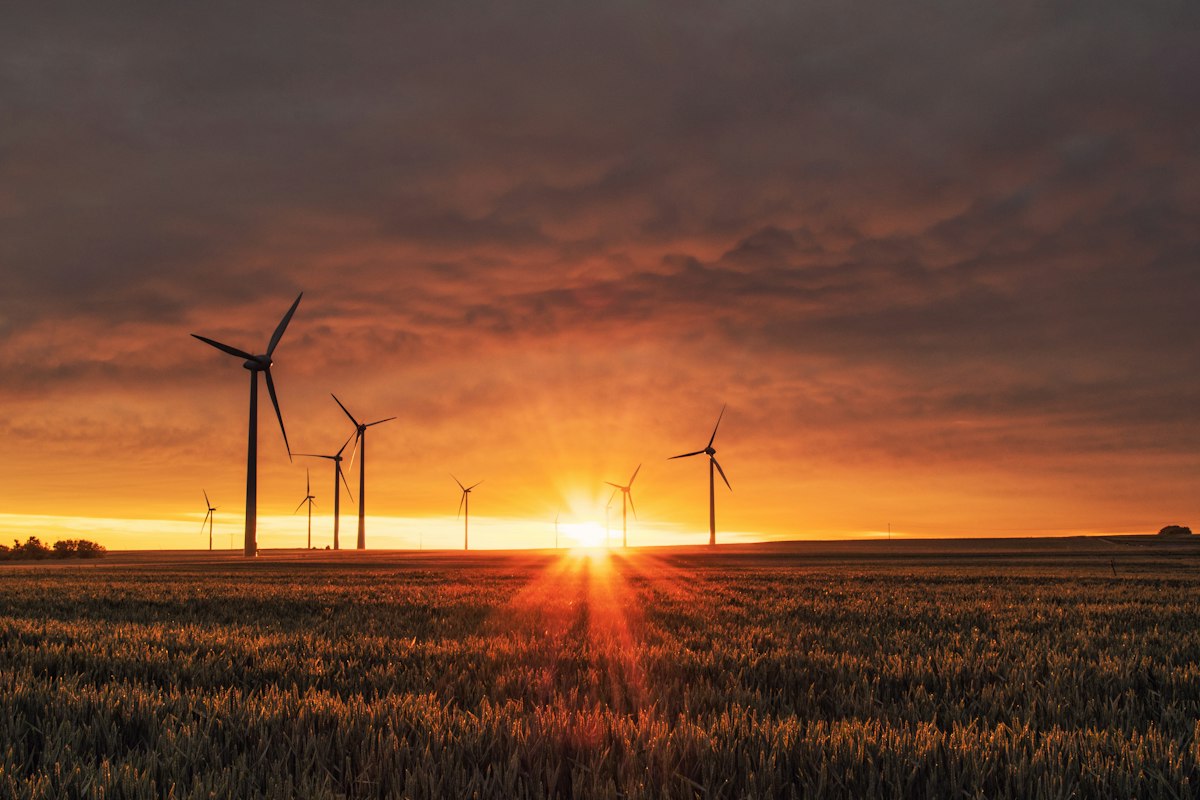
As of mid-2026, Texas stands as a global leader in wind energy, boasting over 35 GW of installed capacity, a figure that continues to rise as new projects come online.
The expansion of wind energy has been particularly beneficial for rural communities across the state. Regions such as West Texas, which includes cities like Lubbock and Abilene, are experiencing economic revitalization driven by wind farm projects. The American Wind Energy Association (AWEA) reports that wind energy now supports over 100,000 jobs statewide, with many positions based in these rural areas.
Local governments are capitalizing on this boom. For instance, the city of Lubbock recently approved new tax incentives to attract additional wind farm developers, aiming to diversify its economy and enhance public services through increased revenue. Mayor Dan Pope remarked, “Wind energy is not just a source of power; it is a lifeline for our community.”
The economic benefits extend beyond job creation. Wind projects have led to increased land leases for local farmers and ranchers, providing an alternative revenue stream that supports agricultural operations. This symbiotic relationship has fostered a cooperative spirit among residents and developers alike.
Despite the positive momentum, some opposition remains. Environmentalists express concerns about the impact of wind farms on local wildlife and landscapes. Advocates argue that stringent regulations and responsible siting can mitigate these effects, ensuring that the benefits of wind energy can continue to outweigh the drawbacks.
As Texas moves forward, the state’s commitment to wind energy appears unwavering. With recent federal policies favoring renewable resources and the ongoing demand for clean energy, investment in wind projects is expected to accelerate.
Consequently, Texas is not only setting the standard for wind energy production but is also creating a model for how renewable energy can transform local economies while addressing environmental concerns.