
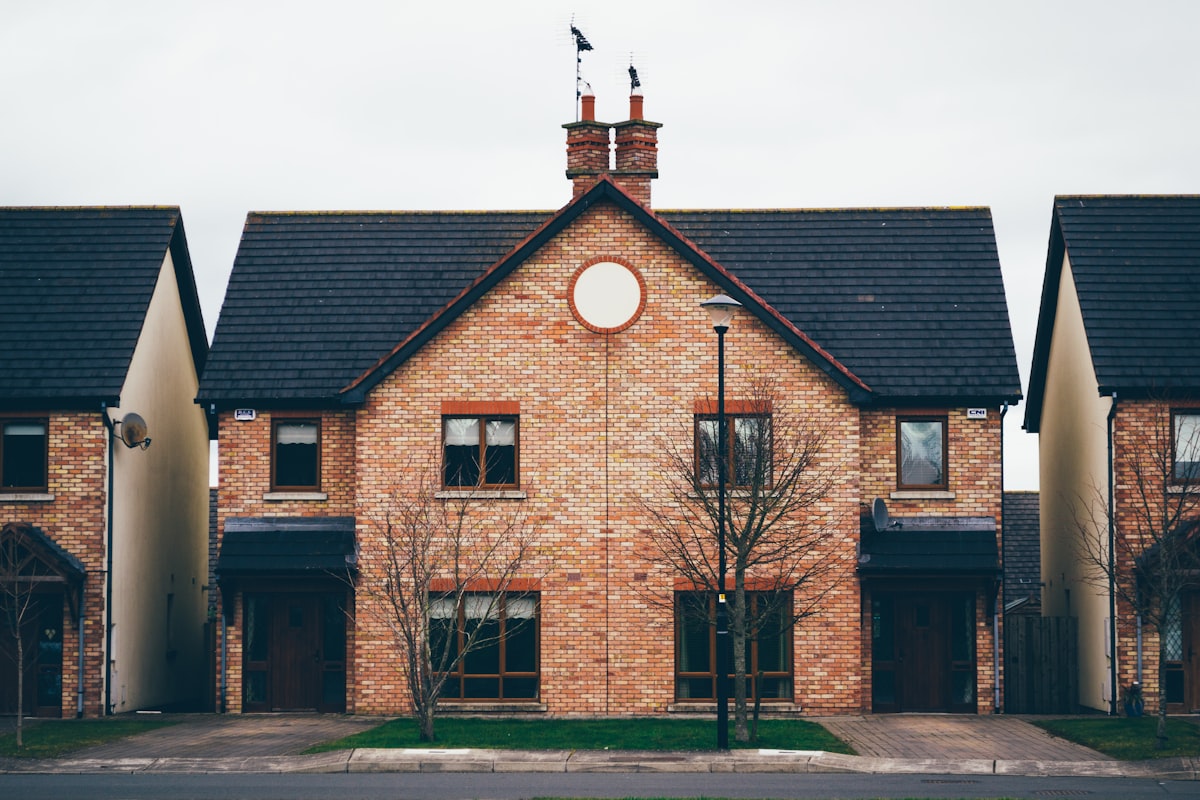
The rapid expansion of Texas suburbs has raised concerns over urban sprawl, with local officials and residents questioning the sustainability of such growth.
Cities like Frisco and McKinney in the Dallas-Fort Worth area have seen unprecedented growth, with Frisco’s population doubling to over 250,000 in just a decade. This surge has been fueled by affordable housing options and proximity to major employment centers.
However, the Texas A&M Transportation Institute warns that this rapid expansion is straining existing infrastructure. Commute times have increased significantly, with residents facing average travel times of over 30 minutes to reach downtown Dallas.
“We are witnessing a classic case of urban sprawl, where the expansion of suburban areas is outpacing the development of necessary infrastructure,” says Dr. Elena J. Martinez, an urban planning expert at Texas A&M. “If left unaddressed, this could lead to significant quality of life issues for residents.”
In response, local governments are exploring new zoning laws and infrastructure projects aimed at curbing sprawl. McKinney has proposed a transit-oriented development plan that would integrate public transportation options and mixed-use spaces, promoting walkable communities.
Additionally, environmental concerns have emerged, with citizens advocating for green spaces and sustainable developments. The recent approval of a 75-acre park in McKinney, funded through a $10 million bond, is a step towards addressing these issues.
As Texas continues to grow, officials must balance the demands of development with the need for sustainable urban planning. “We have a responsibility to our residents to create livable communities that promote both growth and sustainability,” adds Martinez.