
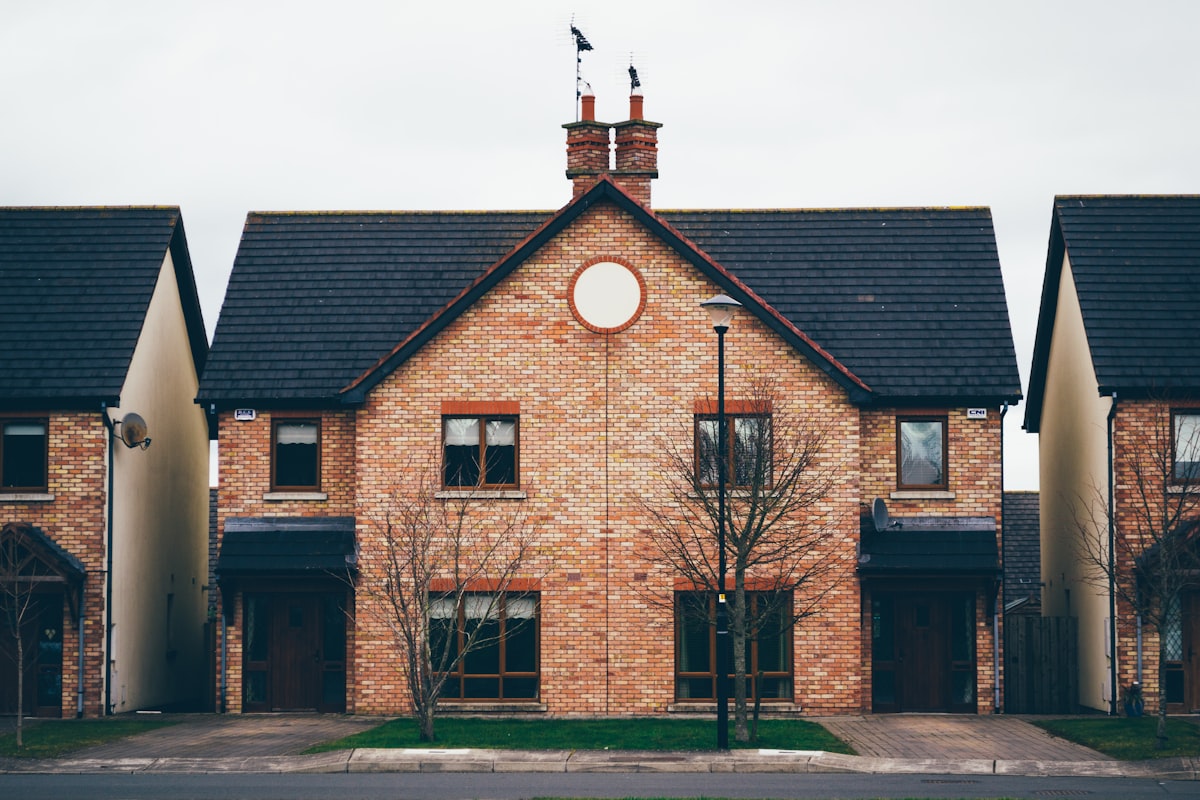
As Texas cities embrace a new era of urban revitalization, historic neighborhoods are experiencing a renaissance that seeks to balance preservation with modern development. In cities like San Antonio and Galveston, city planners and local governments are implementing strategies aimed at enhancing these cherished areas while retaining their unique character.
In San Antonio, the “Historic Neighborhoods Initiative” launched in early 2026 aims to attract investments into neighborhoods like King William and Alta Vista, known for their rich cultural heritage. The initiative has already seen over $100 million in investments, funding infrastructure improvements and supporting local businesses.
“We want to ensure that as we modernize, we don’t lose the soul of our neighborhoods,” said Councilwoman Ana Sandoval, who has been a strong advocate for preserving the city’s cultural identity. “Investing in our historic areas is investing in our future.”
Galveston, too, is witnessing significant investments aimed at revitalizing its historic Strand District. With the city council approving a $50 million budget to enhance public spaces and restore historic buildings, the district is poised for a resurgence as a vibrant commercial hub.
Such revitalization efforts are particularly timely, as Texas cities face pressure to accommodate growing populations. According to the Texas Demographic Center, the state's population is projected to exceed 35 million by 2030, which necessitates careful urban planning and development.
Despite the positive momentum, challenges abound. Gentrification remains a significant concern for many residents, as rising property values can threaten affordability in these neighborhoods. Local organizations are working to address these issues by promoting affordable housing options and fostering community engagement in the development process.
In addition, the rise of remote work has led to increased interest in urban living, with many professionals seeking homes in revitalized areas. This trend has prompted developers to adapt their offerings, creating mixed-use developments that blend residential, commercial, and recreational spaces.
As these revitalization efforts continue, the success of preserving Texas' historic neighborhoods will depend on collaborative approaches involving local residents, developers, and government officials. While the path forward may be complex, the commitment to honoring the past while embracing the future is a testament to the resilience of Texas cities.
In conclusion, Texas is at a crossroads, where the desire for modernization meets the need for preservation. As urban revitalization takes center stage, the balance between these two forces will shape the character of Texas cities for generations to come.