
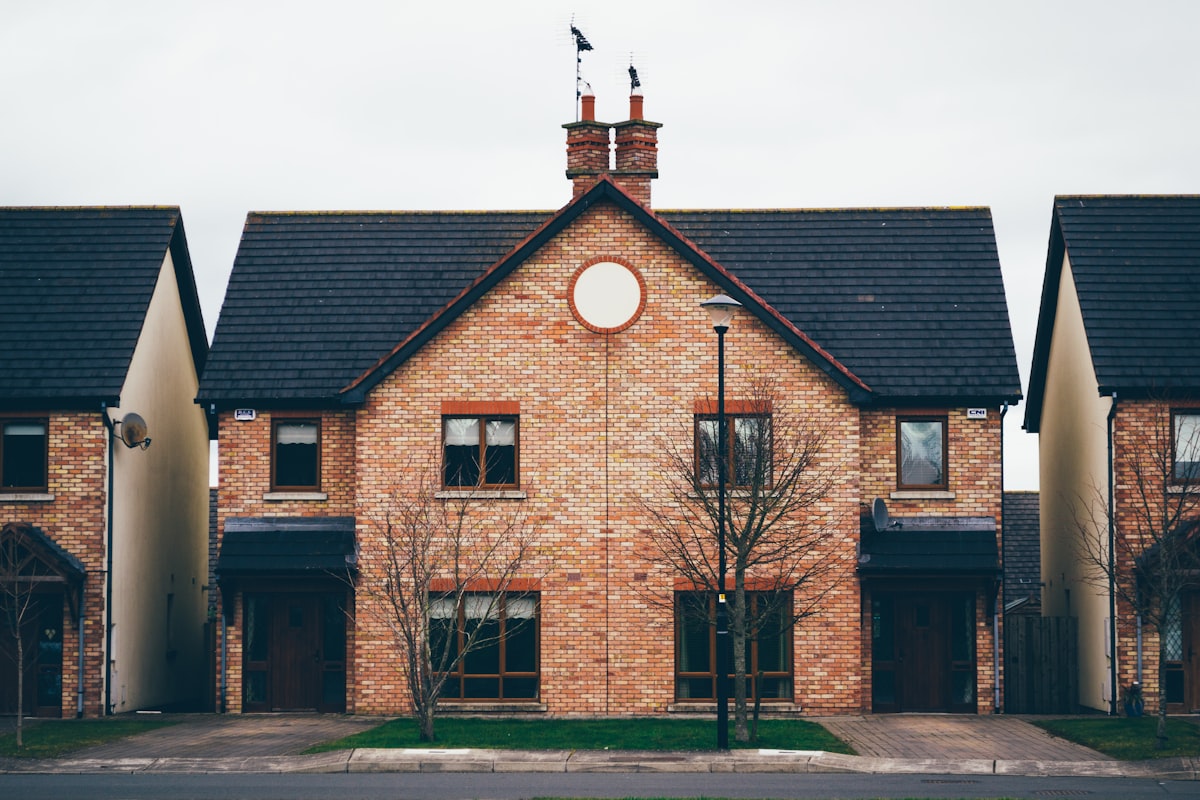
As urbanization continues to rise, several Texas cities are undertaking transformative redevelopment projects aimed at revitalizing their downtown areas and enhancing community spaces.
In Fort Worth, the $300 million Sundance Square redevelopment project is set to reshape the heart of the city. With plans to incorporate residential units, retail spaces, and public parks, the initiative is expected to attract both residents and tourists. The city council has projected that the project will create over 2,000 jobs and generate an additional $40 million in annual tax revenue.
"This is an incredible opportunity to breathe new life into our downtown area," said Fort Worth Mayor Mattie Parker. "We want to create a vibrant community space that reflects our city’s rich history while accommodating modern living and commerce."
Similarly, Austin's ongoing efforts to revitalize its waterfront have received significant attention. The $150 million redevelopment of the South Congress area aims to enhance pedestrian accessibility while promoting local businesses. This project, which includes the addition of new parks and cultural spaces, is anticipated to increase foot traffic in the area by 30%, supporting the local economy.
The trend of urban redevelopment is not limited to major cities; smaller towns are also recognizing the importance of revitalizing their downtowns. In Abilene, local officials unveiled a $50 million plan aimed at restoring historic buildings and creating a cohesive downtown experience. The initiative is expected to bolster tourism and attract new residents.
These projects are not just about aesthetics; they embody a broader shift towards sustainable urban development. By prioritizing green spaces, walkability, and mixed-use environments, Texas cities are setting a new standard for urban planning. Reports indicate that cities with well-planned urban cores see a 20% higher rate of business retention compared to those without such development.
However, funding these ambitious initiatives poses a challenge. Many cities are leveraging public-private partnerships to mitigate financial risks. In Fort Worth, the city has partnered with local developers to share costs while ensuring that community interests remain at the forefront of the project.
As Texas continues to embrace urban redevelopment, the potential for enhanced community engagement and economic growth remains high. The successful execution of these projects will not only redefine the urban landscape but also serve as a model for other regions across the nation, illustrating the importance of thoughtful and inclusive urban planning.