
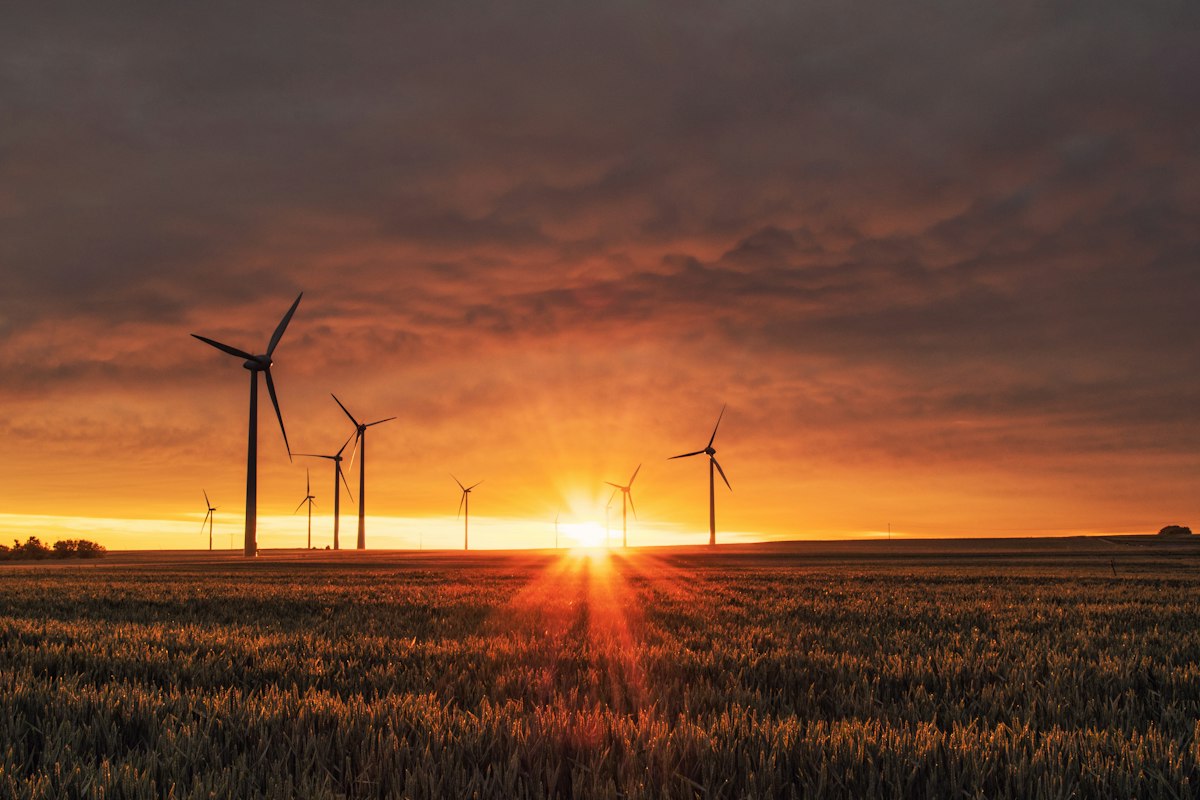
As Texas continues to expand its wind energy capacity, recent legislative changes have introduced new challenges that could impact the future of wind farm development across the state.
The Texas Legislature recently passed a series of bills focused on energy regulation, including stricter permitting processes for wind farms. These measures have raised concerns among developers, who argue that the new regulations could slow down the rapid growth of the wind energy sector, which currently generates over 30% of the state’s electricity.
Representatives from major wind developers, such as Invenergy and Pattern Energy, have expressed frustration over the changes. “These regulations could hinder our ability to meet the growing energy demands while adhering to sustainability goals,” commented Mark Thompson, COO of Invenergy.
Currently, Texas boasts the largest installed wind capacity in the nation, accounting for approximately 30,000 megawatts (MW). However, the new permitting requirements could delay the construction of several planned projects, including a 1 GW wind farm in the Panhandle region, which was set to break ground in late 2026.
Supporters of the new legislation argue that it is necessary to protect local communities and wildlife, ensuring that wind projects do not adversely affect their surroundings. “We must balance growth with environmental stewardship,” stated Senator Lisa Reid, a proponent of the new laws. “These regulations will help us maintain Texas’s natural beauty and wildlife.”
The tension between development and regulation has sparked a heated debate within the state, as stakeholders from both sides advocate for their interests. As Texas aims to meet its renewable energy targets, the challenge lies in finding a solution that satisfies both developers and environmental advocates.
As the state continues to invest in its energy infrastructure, the outcome of this legislative session will likely shape Texas's wind energy landscape for years to come. With renewable energy playing an increasingly pivotal role in the overall energy mix, Texas must navigate these complexities while remaining committed to its energy leadership.