
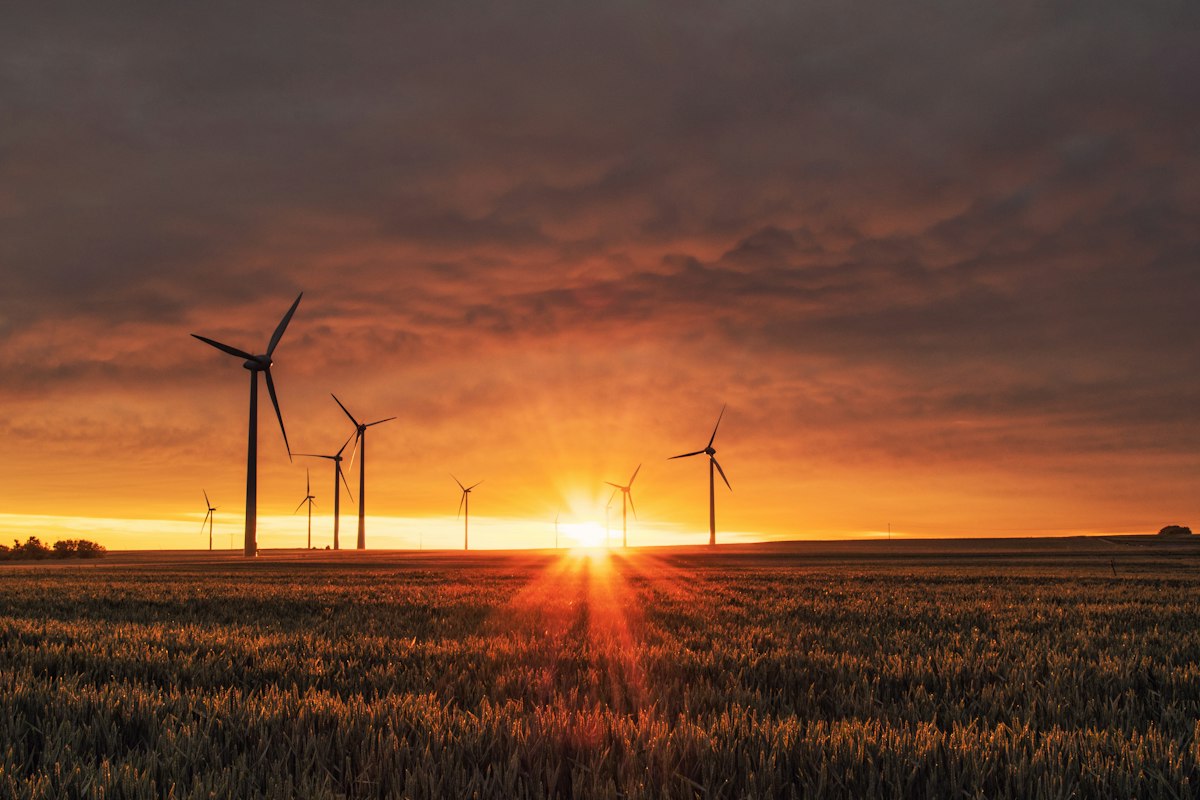
Texas' wind energy sector is set for a substantial expansion, bolstered by recent legislative measures aimed at promoting renewable energy development.
With over 30 gigawatts of installed wind capacity, Texas currently leads the nation in wind energy production. Recent legislation signed into law in June 2026 aims to incentivize further growth by offering tax credits to wind farm developers and streamlining the permitting process.
The Texas Wind Coalition (TWC) reported that the new incentives are expected to catalyze an additional 8 gigawatts of wind capacity by the end of 2028. "This legislation underscores Texas' commitment to becoming a leader in renewable energy while also addressing our energy needs," said TWC Director, Tom Smith.
In addition to financial incentives, the state has implemented a series of programs to enhance infrastructure, including the construction of new transmission lines to connect remote wind farms to urban centers. This infrastructure development is vital, especially as wind energy generation peaks in the winter months.
The expansion plans have attracted significant investments from major energy companies, including Siemens Gamesa and Vestas, which are ramping up their manufacturing capabilities in Texas. Siemens Gamesa announced plans to invest over $200 million in a new wind turbine manufacturing facility in Fort Worth, projected to create 1,500 jobs.
As renewable energy becomes increasingly critical to Texas’ economic landscape, the emphasis on wind energy is also expected to have positive environmental implications. The Texas Commission on Environmental Quality estimates that expanding wind capacity could reduce carbon emissions by up to 15 million tons annually.
While the future of wind energy in Texas looks promising, challenges remain, particularly regarding integration into the existing grid. The rise in intermittent energy sources necessitates advancements in energy storage and grid management technologies.
As Texas forges ahead with its ambitious wind energy goals, the collaboration between government, industry, and environmental advocates will be key to overcoming these challenges and ensuring a sustainable energy future for the state.