
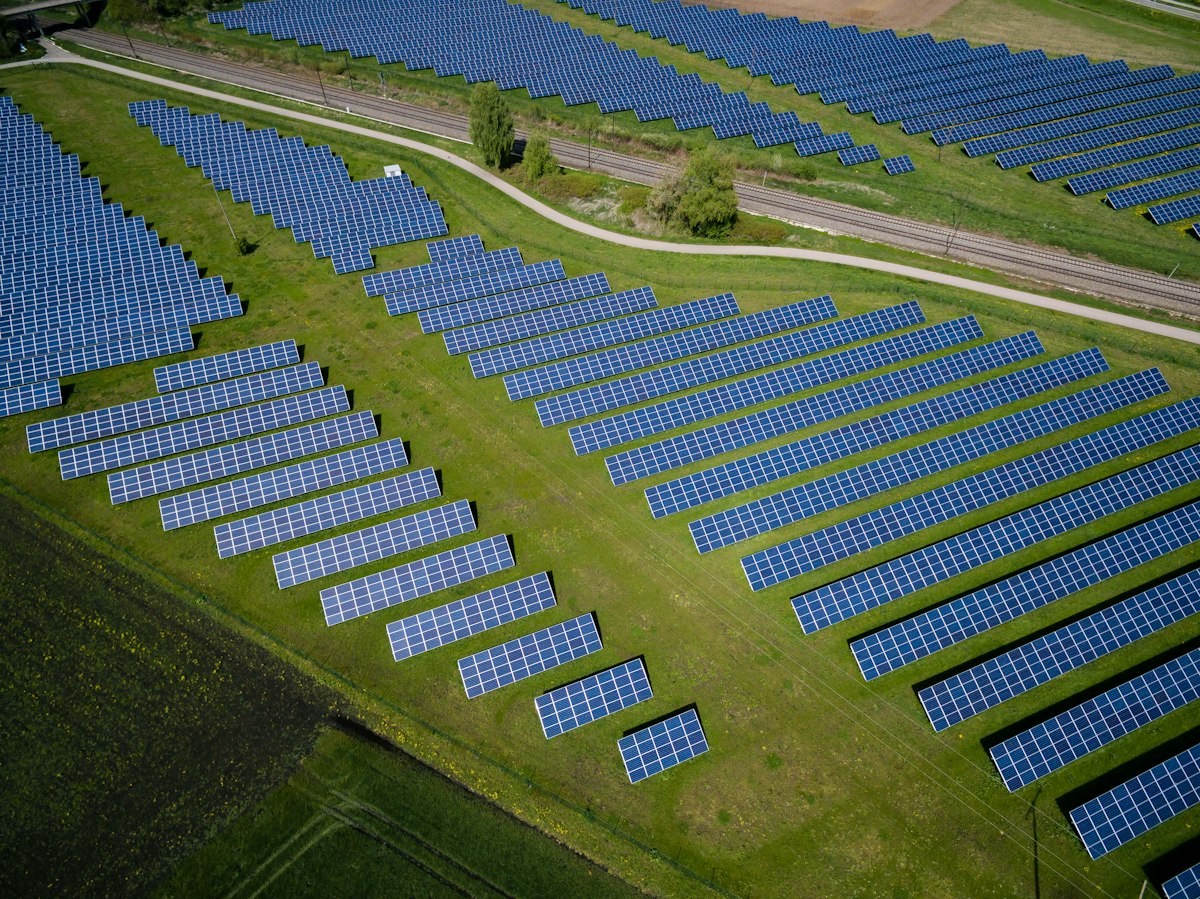
As the summer heat escalates, Texas wind farms have reported a record-breaking production of renewable energy, contributing significantly to the state's energy grid.
According to the Electric Reliability Council of Texas (ERCOT), wind energy generation accounted for 40% of the state’s total power output in July 2026, surpassing previous records set in 2025. This surge has been attributed to a combination of favorable weather conditions and the rapid expansion of wind farm capacity across the state.
“The investments made over the past few years in wind infrastructure are paying off,” said Dr. Emily Sanders, a senior analyst at the Texas Renewable Energy Institute. “This unprecedented output is a testament to Texas's leadership in renewable initiatives and our capacity to harness natural resources effectively.”
The increase in wind production comes as demand for electricity typically peaks during the hottest months, driven by air conditioning usage across the state’s urban centers. Cities like Houston and Dallas have seen significant spikes in electricity consumption, with ERCOT forecasting a 5% increase in demand compared to last summer.
Texas has led the nation in wind energy capacity for years, with over 35 gigawatts of installed wind power. This summer's record production has fueled discussions about the state’s future energy strategy, particularly concerning its reliance on fossil fuels and the ongoing transition to renewable sources.
In response to the growing energy demands, Texas Governor Greg Abbott has called for increased investment in renewable energy infrastructure. “It is clear that our future lies in a diversified energy approach that includes substantial renewable resources,” Abbott stated during a press conference last week.
The wind energy boom is also creating economic opportunities. Companies like NextEra Energy and Invenergy are expanding their operations in Texas, bringing hundreds of jobs in construction and maintenance to rural areas that host these wind farms. Local economies are expected to benefit from increased tax revenues and job creation as these projects come online.
However, not everyone is convinced of the sustainability of such rapid growth. Critics argue that state lawmakers must address the intermittency issues associated with wind energy to ensure grid reliability. “While wind energy is crucial for our transition, we need a comprehensive strategy that includes energy storage solutions and a mix of other renewable sources,” cautioned Mark Thompson, a Texas energy consultant.
As the summer continues, ERCOT officials remain optimistic about future energy generation. They are encouraging Texans to consider alternative energy sources and to contribute to energy conservation during peak hours. “Together, we can ensure that Texas not only meets its electricity demands but also leads the nation in renewable energy production,” said ERCOT spokesperson Linda Grant.