
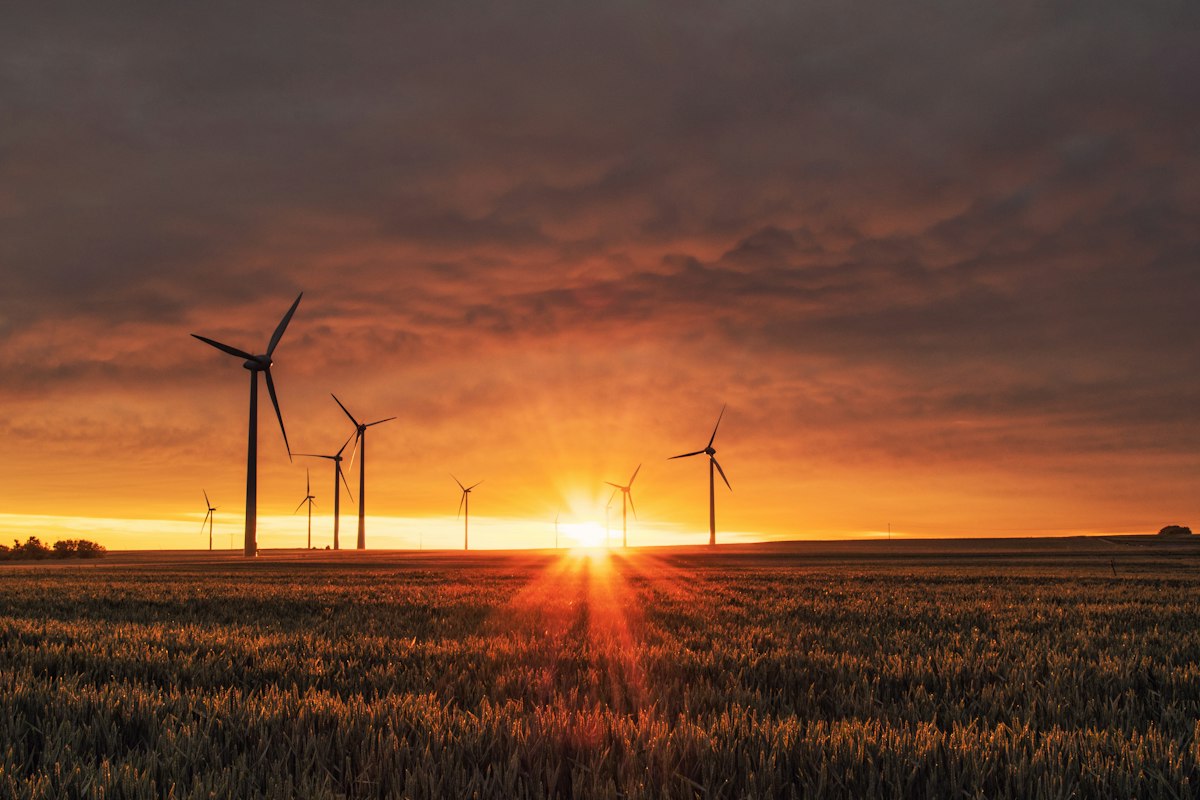
The wind energy sector in Texas is experiencing a wave of investments as advancements in technology and favorable market conditions create a ripe environment for growth.
As of mid-August 2026, investments in wind energy have reached a record $8 billion, with over 5,000 megawatts (MW) of new capacity expected to come online by the end of the year. Texas remains the largest wind producer in the United States, generating more than 30% of the country’s total wind energy.
"The commitment to wind energy in Texas is stronger than ever," stated Mark Sullivan, the president of the Texas Wind Energy Association. "With innovations in turbine technology and more efficient energy storage systems, we are seeing a transformation in how we harness wind power."
Key players in the industry, such as Siemens Gamesa and General Electric, have been at the forefront of these technological advancements. Their new turbine designs promise to increase efficiency and reduce costs, making wind energy an even more attractive option for investors.
In addition to technological growth, recent state policies have also spurred investment. The Texas Legislature passed a series of bills aimed at promoting clean energy initiatives, including incentives for renewable energy projects and tax breaks for new wind farms.
However, challenges remain, particularly concerning land use and environmental concerns. As wind farms expand into previously undeveloped areas, local communities have raised questions about the impact on wildlife and ecosystems. Addressing these concerns is critical to ensuring the long-term sustainability of wind projects in the state.
The influx of capital into Texas's wind energy sector is not just a boon for the environment; it is also creating thousands of jobs. The industry is expected to generate approximately 15,000 new positions in engineering, construction, and maintenance by the end of the year.
As Texas continues to lead in wind energy production, the interplay between innovation, policy, and community engagement will be essential in shaping the future of renewable energy in the Lone Star State. With the right balance, Texas could solidify its position as a global leader in wind energy.