
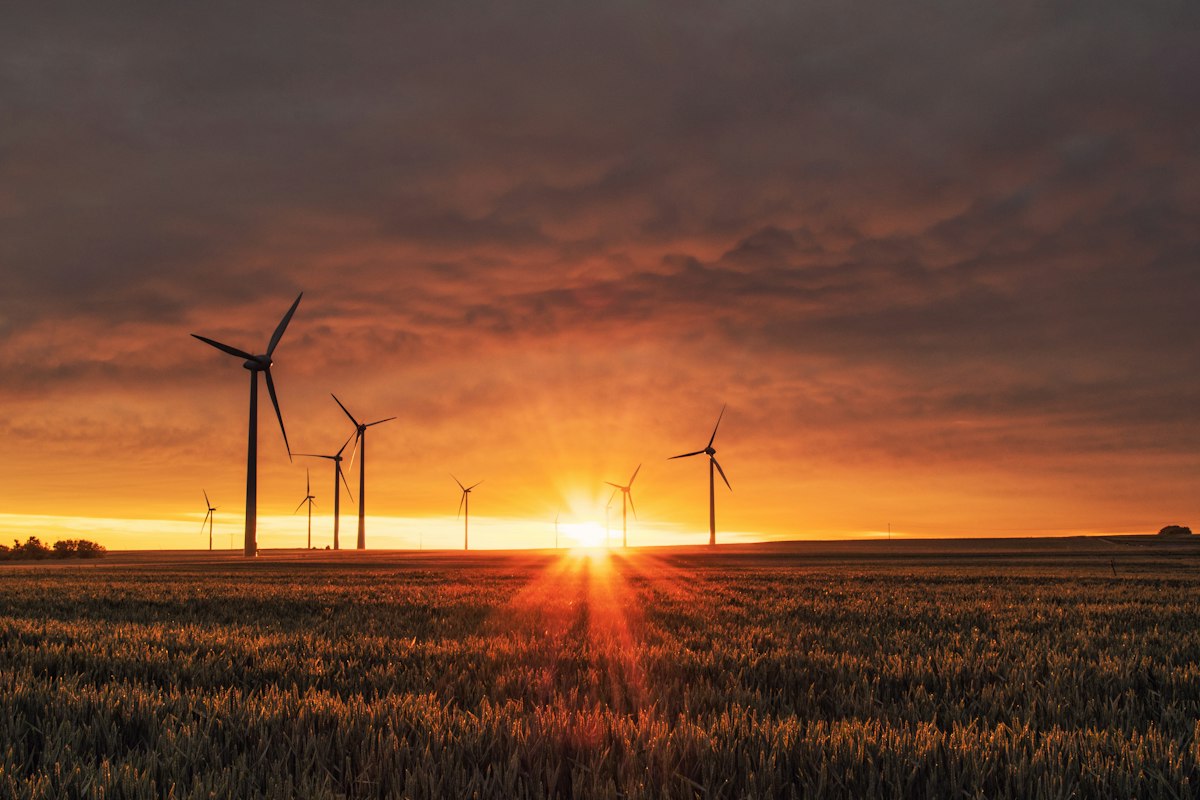
As the wind energy sector in Texas continues to expand, recent regulatory changes have raised concerns about potential slowdowns in future development.
In late July 2026, the Texas legislature passed a series of regulations aimed at managing the growth of wind farms in sensitive ecological areas. The new laws require additional environmental assessments and increased local input before new projects can be approved, which industry leaders argue could significantly delay future installations.
With Texas currently boasting over 35 GW of installed wind capacity, the state has been the nation’s leading producer of wind energy for several years. However, the recent legislative measures have already raised alarms among major developers like Pattern Energy and NextEra Energy, who fear that the additional obstacles could stifle investment and innovation.
“We support responsible development, but these new regulations could hinder our ability to meet the state’s renewable energy goals,” said James Wright, a spokesperson for Pattern Energy. “Wind energy is a key part of Texas’ energy future, and we hope to work with lawmakers to find a balanced approach.”
The Texas Wind Energy Association (TWEA) has also expressed concerns over the new regulations, stating that they could lead to project cancellations and job losses in the sector. With nearly 150,000 jobs directly linked to wind energy in Texas, the implications of slowed growth could be profound.
The legislation comes at a time when the Biden Administration is pushing for significant increases in renewable energy production nationwide, emphasizing the need for states to ramp up their contributions. Texas has been a front-runner in this movement, but these recent regulatory changes may undermine the state's leadership role.
Despite the challenges, some industry experts remain optimistic about the long-term prospects for Texas wind energy. They argue that technological advancements and increasing public support for renewable energy could help mitigate the impact of regulatory slowdowns.
“The wind industry has proven its resilience over the years,” said Dr. Sarah Nguyen, an energy policy analyst at the University of Texas at Austin. “If we can adapt to these changes, Texas can continue to lead the way in wind energy.”
As stakeholders navigate this new regulatory landscape, the future of Texas wind energy will depend on striking a balance between ecological preservation and the urgent need for renewable energy expansion.