
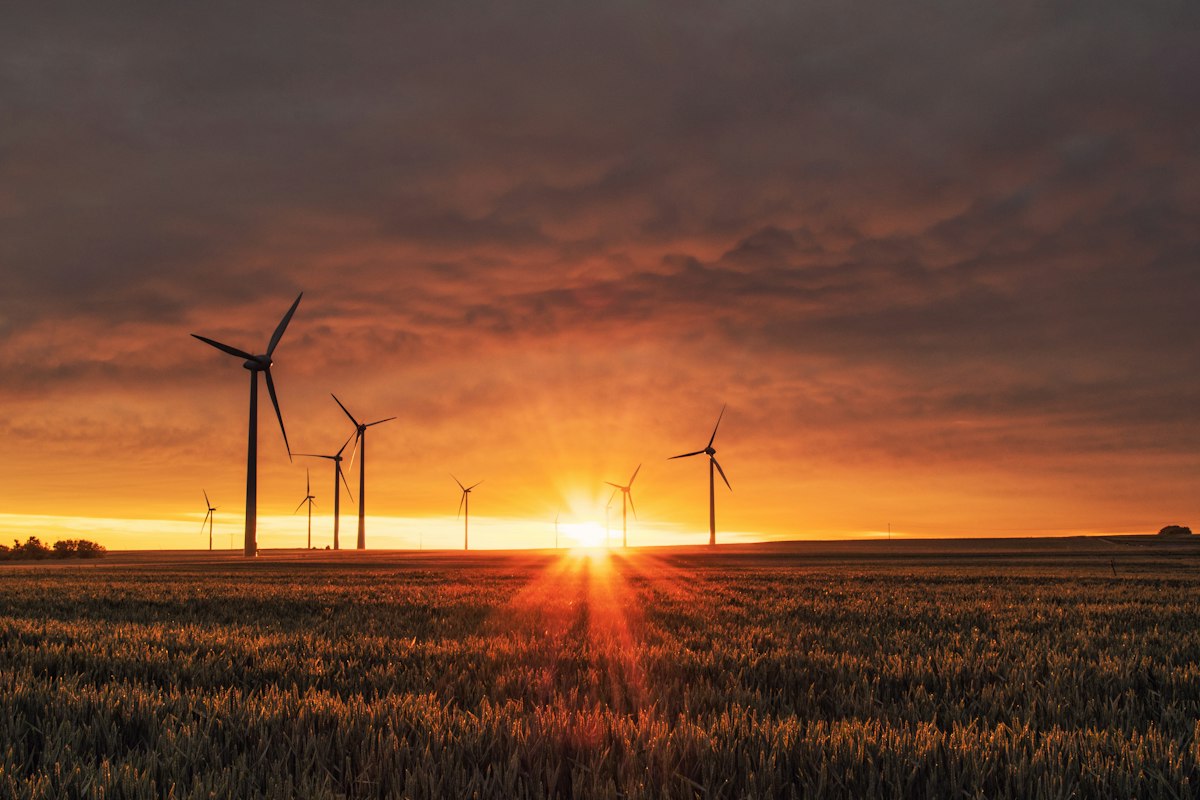
Texas’s wind energy sector is poised for significant expansion, driven by a surge in demand for renewable energy and new government initiatives aimed at bolstering infrastructure.
As of July 2026, wind energy accounts for approximately 25% of the state’s electricity generation, making Texas the leading state in wind power production in the U.S. Recent reports indicate that over 5,000 megawatts of new wind capacity is expected to be installed by the end of the year, translating to an estimated $8 billion investment in infrastructure.
“The wind sector is not just providing clean energy; it is also a significant driver of economic growth in rural areas,” said Mark L. Smith, CEO of Texas Wind Energy Partners. “This expansion will create jobs and stimulate local economies.”
Cities such as Lubbock and Abilene are experiencing the direct benefits of this growth, with local economies seeing an influx of investment. The Texas Wind Energy Association (TWEA) reports that approximately 40,000 jobs are currently supported by the wind industry, with that number projected to increase with the new capacity.
However, challenges persist as the state grapples with the need for updated transmission infrastructure. The current grid system, managed by ERCOT, is facing strain from the increasing number of wind projects coming online. Plans are underway to invest in new transmission lines to accommodate the surge in demand, with a projected cost of $3 billion over the next five years.
The Biden administration’s recent infrastructure bill has provided additional funding opportunities for renewable projects, allowing Texas to tap into federal resources to support its wind energy initiatives. “This is a pivotal moment for the wind sector, and we must seize the opportunity to innovate and expand,” said Sarah Thompson, a senior advisor at the U.S. Department of Energy.
Despite the promising outlook, environmental concerns remain a topic of discussion. Some groups argue that increased wind farm construction could lead to habitat disruption and impact local wildlife. Advocates for wind energy contend that the long-term benefits of renewable energy far outweigh these concerns.
As Texas charts its course in the renewable energy landscape, the wind sector stands to gain significantly from both market demand and supportive policy frameworks, reinforcing the state's status as a national leader in energy production.