
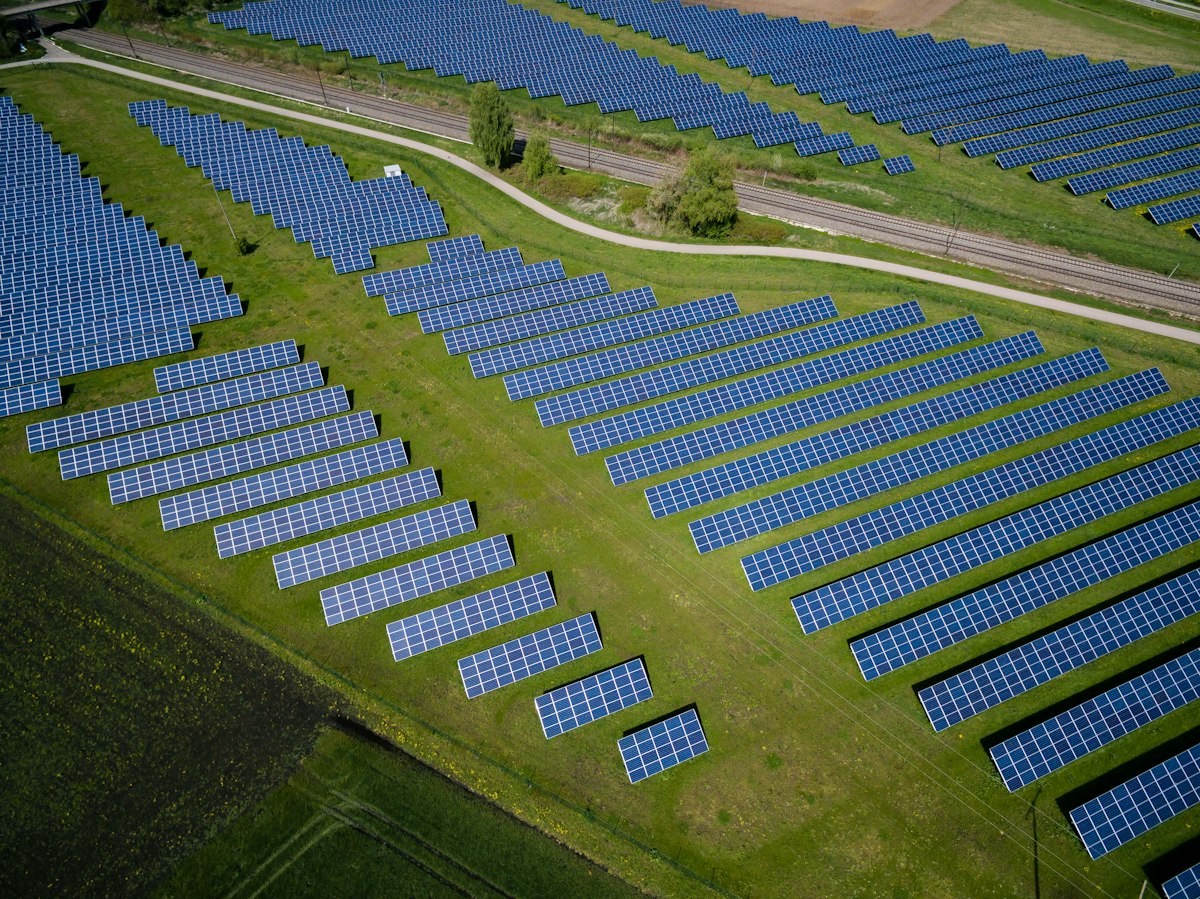
As of July 2026, Texas continues to solidify its position as a leader in the renewable energy sector, with significant investments aimed at transitioning away from fossil fuels.
In the past year, Texas has seen a remarkable increase in solar power generation, contributing to nearly 30% of the state’s total electricity generation. The Texas Public Utility Commission reported that solar capacity has surged by 25 gigawatts since 2025, now totaling approximately 75 gigawatts.
Major players in the industry, such as NextEra Energy and Vistra Corp, have ramped up their investments. NextEra alone announced plans to invest $10 billion in wind and solar projects by 2030, aiming to create thousands of jobs across the state.
"We are committed to making Texas the hub for clean energy innovation," stated John Kunkel, CEO of NextEra Energy. "Our projects not only support the environment but also strengthen the economy by providing long-term job security for Texans."
The push for renewables comes amid increasing pressure on traditional energy sources due to environmental regulations and climate change concerns. In response, Texas lawmakers have introduced new legislation incentivizing clean energy developments, including tax breaks and streamlined permitting processes.
In addition to solar, the wind power sector is also thriving. Texas maintains its status as the leading state for wind energy, producing more than 25% of the nation's total wind energy capacity. The state has installed several new wind farms in the Panhandle region, contributing to a projected 15% increase in wind energy generation by the end of 2026.
As Texas moves forward, the challenges of integrating renewable sources into the existing grid remain. ERCOT (Electric Reliability Council of Texas) has begun implementing new technologies aimed at managing the fluctuating nature of renewable energy.
"Our focus is on ensuring reliability while increasing our renewable energy footprint," said Brad Jones, interim CEO of ERCOT. "We are exploring advanced battery storage solutions and demand response strategies that can help balance supply and demand effectively."
Despite the challenges, the momentum towards renewables indicates a transformative shift within Texas's energy landscape, with significant implications for job creation, economic growth, and environmental sustainability.