
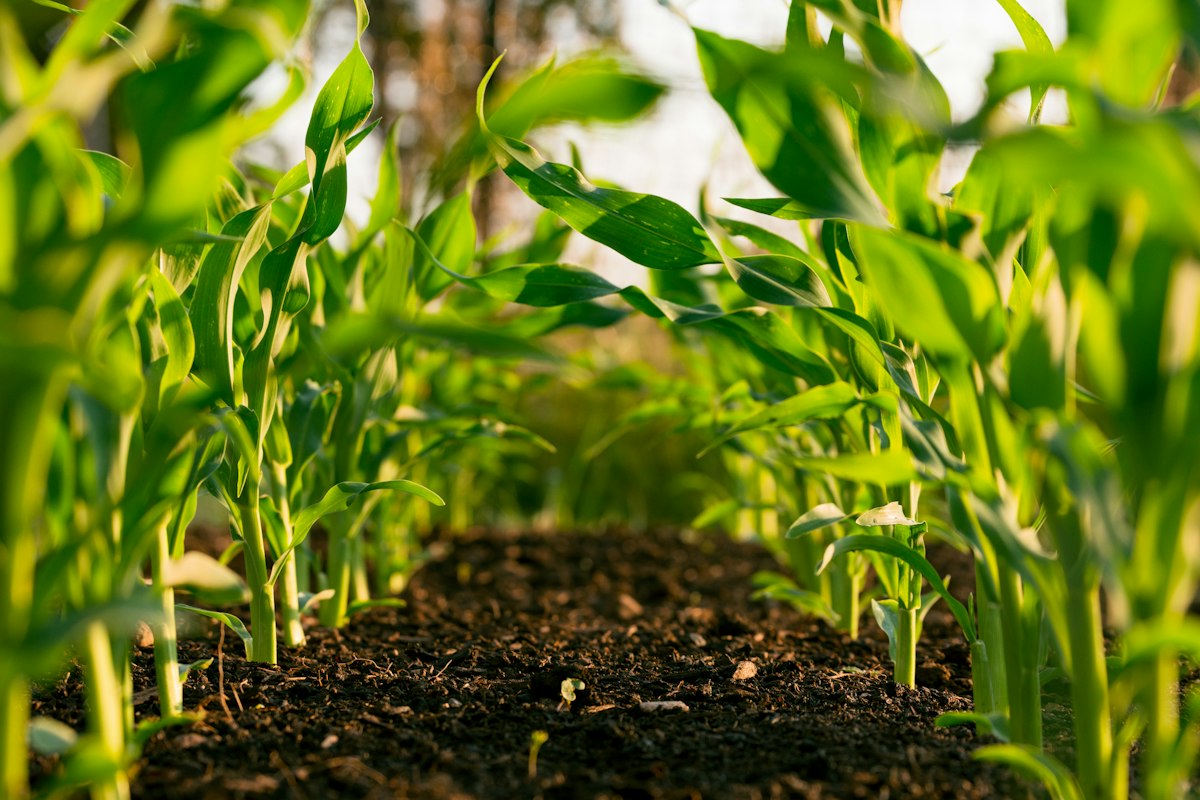
In a notable shift in agricultural exports, Texas has emerged as a significant player in the global soybean market, with state exports hitting a record $2.5 billion in the past year. This surge is primarily driven by increased demand from Asia and a recalibration of supply chains following global disruptions.
According to the Texas International Trade Office, soybean exports from Texas have increased by 45% compared to the previous year. The state's strategic location, coupled with its extensive transportation infrastructure, has allowed local farmers and exporters to respond swiftly to global market demands.
Farmers around the East Texas region, particularly in towns like Mount Pleasant and Paris, have reported unprecedented yields. Tom Johnson, a soybean farmer from Mount Pleasant, highlighted the importance of adapting to market trends: "We’ve shifted our practices to meet the demand. The investment in high-quality seeds and sustainable farming methods has paid off immensely. This is our best year yet." His farm alone has increased production by 60%, contributing to the overall surge.
The demand for Texas soybeans is fueled by rising consumption in countries like China and Vietnam, where soybeans are a critical ingredient in livestock feed. According to a recent report by the Texas A&M University Agricultural and Food Policy Center, the growing demand has potential for Texas farmers to expand their soybean acreage by as much as 25% in the next five years.
However, challenges remain. The state's soybean market is still grappling with the effects of trade tariffs imposed during the last decade. Although many tariffs have been lifted, lingering uncertainties in international relations pose risks to future export growth. Mike Smith, a trade analyst with the Texas Farm Bureau, noted, "While we are currently benefitting from strong demand, we must be cautious. Global trade dynamics are ever-changing, and we need to remain adaptable."
As Texas farmers continue to innovate and expand, the state is poised to solidify its position as a leader in the soybean market. With investments in technology and sustainable practices, Texas agriculture is navigating a complex global landscape, positioning itself for long-term success.