
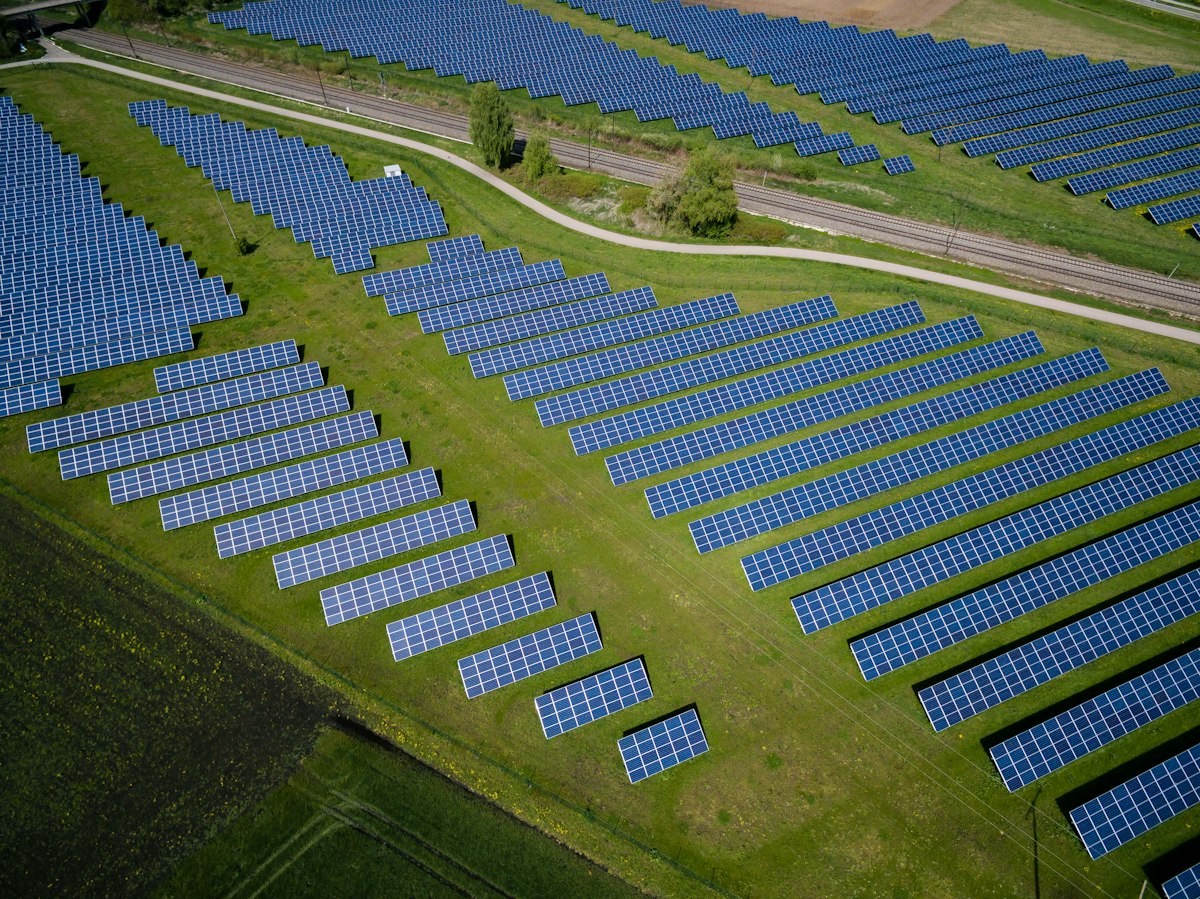
As the sun reaches its zenith in Texas, so too does the state's commitment to solar energy, with new projects generating record investments and promising substantial economic returns.
On June 20, 2026, the Texas Public Utility Commission announced a series of solar initiatives that could see the state adding over 10 gigawatts of solar capacity by the end of 2027. This move is part of a broader strategy to transition to cleaner energy sources while fulfilling the state’s growing demand for electricity.
Among the key players in this expansion is Austin-based SunPower Corp, which recently broke ground on a $250 million solar farm in the Panhandle region. The project, expected to be operational by late 2027, will provide energy for approximately 100,000 homes. “This is a transformative moment for Texas, where solar energy is not just an alternative but a cornerstone of our energy future,” stated Mark Johnson, CEO of SunPower.
The initiative also aims to create over 1,500 jobs in construction and maintenance, reinforcing Texas's position as a leader in renewable energy employment. According to a report by the Texas Energy Association, the solar sector has already contributed more than 30,000 jobs statewide, reflecting a broader national trend towards clean energy.
Local governments are also getting involved. The city of El Paso has committed to generating 80% of its energy from renewable sources by 2030, a target that aligns with the state's ambitious goals. “Our community is dedicated to investing in sustainable solutions that protect our environment and economy,” said Mayor Oscar Leeser.
Furthermore, Texas's strong solar growth is being bolstered by favorable state policies, including tax incentives that encourage investment in renewable technologies. The Texas Legislature recently passed a bill that extends tax credits for solar installations through 2030, aiming to attract more businesses and homeowners to transition to solar power.
Despite the progress, challenges remain. Industry analysts warn of potential supply chain delays and rising material costs, which could impact project timelines. However, with the federal government's commitment to renewable energy and increasing public demand for cleaner options, Texas appears poised to emerge as a global leader in solar energy.
As other states look to Texas as a model, the Lone Star State’s solar ambitions not only promise environmental benefits but also significant economic opportunities, reaffirming its status as a powerhouse in the renewable sector.