
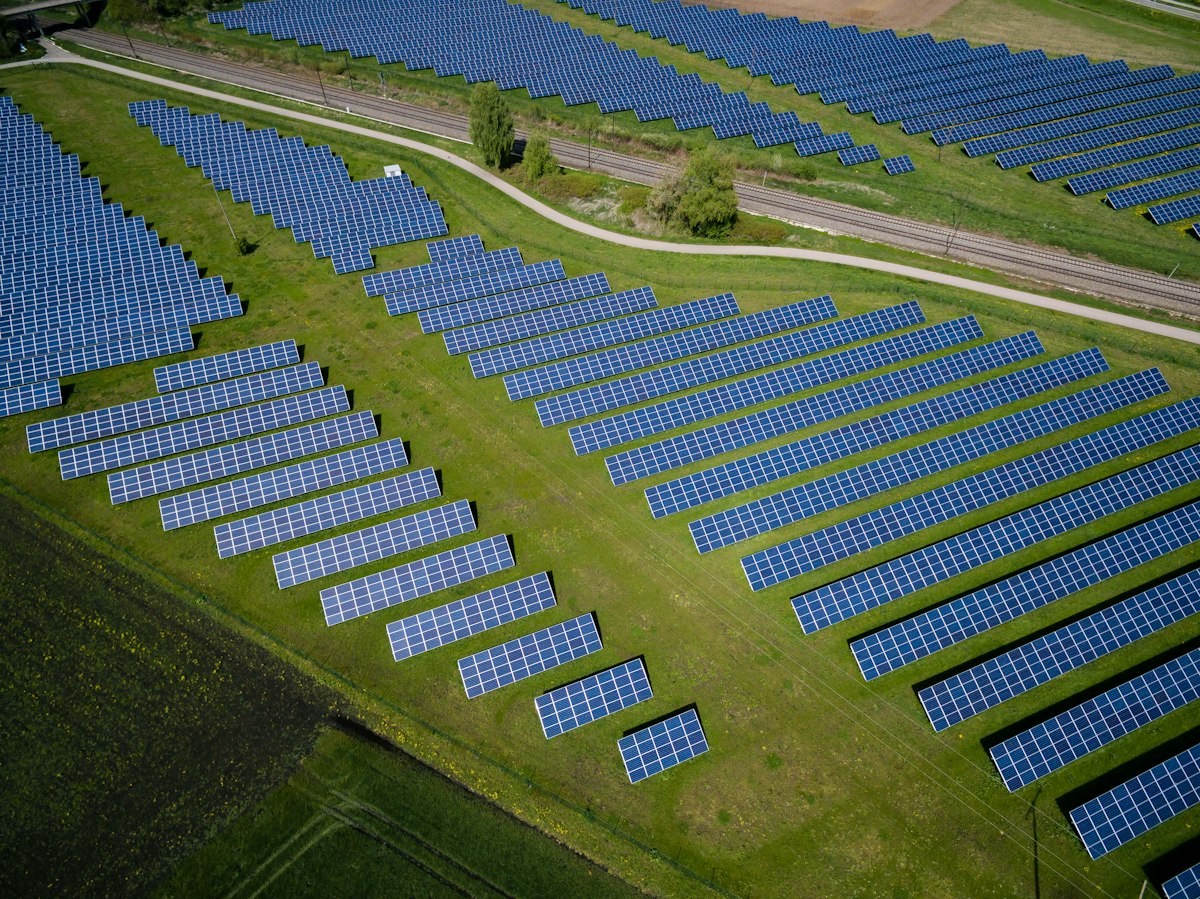
In a bold move towards a sustainable future, Texas utility giant Oncor announced plans to invest over $2 billion in expanding its solar energy portfolio by 2028, significantly bolstering the Lone Star State’s renewable energy infrastructure.
Oncor's latest initiative aims to add approximately 4,000 megawatts of solar capacity, further solidifying Texas's position as the largest producer of solar energy in the United States. As of mid-2026, the state has already exceeded 30,000 MW of installed solar capacity, a figure that has doubled since just 2020.
“This investment reflects our commitment to a clean energy transition and supports the state's goal of achieving net-zero emissions by 2050,” stated Bob Johnson, Oncor's CEO, during a press conference in Dallas. He emphasized the importance of diversifying energy sources to ensure reliability and affordability for consumers.
The push towards solar energy comes in response to increasing demand for renewable sources amid rising concerns over climate change and energy reliance on fossil fuels. In 2025 alone, Texas recorded a 20% increase in solar energy production, driven by both residential installations and large-scale solar farms.
The Texas Renewable Energy Association (TREA) has lauded Oncor's financial commitment, arguing that expanded solar capacity will not only enhance energy security but will also create thousands of jobs across the state. Estimates suggest that the project could generate up to 10,000 jobs during the construction phase.
Austin-based SunPower Corp, a leading solar technology company, is expected to be a key partner in this initiative, helping design and implement solar farms throughout the state. “We are excited to collaborate with Oncor to harness the abundant solar resources in Texas,” remarked Lisa Rodriguez, SunPower’s Regional Director.
With the introduction of favorable state policies and incentives, the solar energy sector has witnessed exponential growth. The Texas legislature's recent approval of tax incentives for solar installations is expected to further accelerate development, making Texas a beacon for renewable investment.
This announcement comes ahead of the state's summer peak demand period, when energy consumption typically spikes due to air conditioning use. Analysts predict that the increased solar capacity will play a crucial role in meeting this demand without relying heavily on natural gas or coal-fired power plants.
As Texas continues to lead the renewable energy revolution, stakeholders in the energy sector remain optimistic about the potential for solar power to not only drive economic growth but also pave the way for a more sustainable energy landscape.