
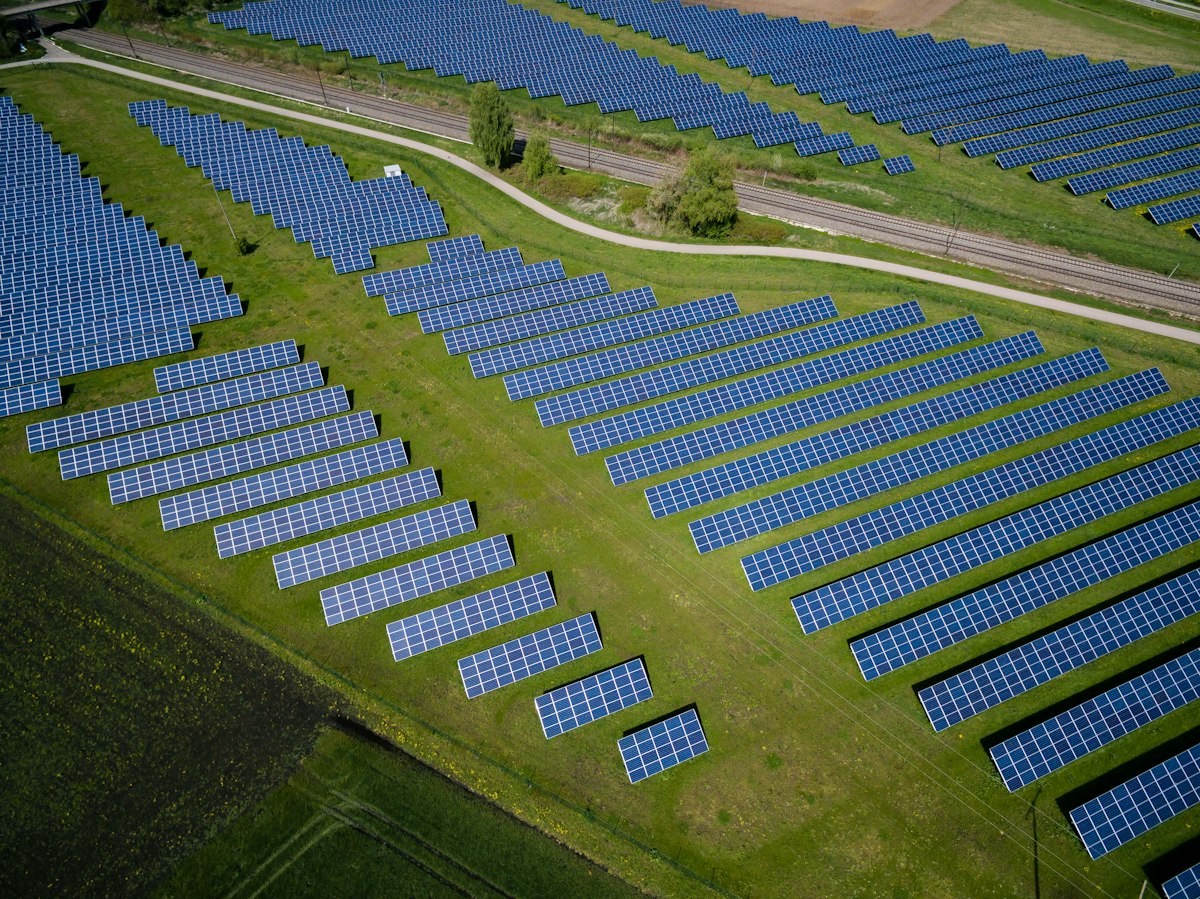
Texas is witnessing a significant surge in solar energy production, driven by recent regulatory changes and a robust demand for renewable energy.
As of July 2026, Texas has officially surpassed California as the leading state in solar capacity, boasting an impressive 44 gigawatts (GW) of installed solar power. This milestone reflects a concerted effort by the state’s regulators and energy companies to transition towards more sustainable energy sources.
The Texas Public Utility Commission's new rules, enacted in April 2026, streamline the permitting process for solar installations while providing incentives for residential and commercial projects. These changes have been critical in facilitating the rapid growth of solar energy, particularly in cities such as Austin and Houston.
“The wave of solar energy in Texas is not just a trend; it’s a testament to our commitment to a sustainable future,” stated Dawn Richards, the CEO of Lone Star Solar, one of the state's leading solar energy firms. “The supportive regulatory environment has unleashed innovation and investment in ways we have never seen before.”
Investment in Texas solar energy has also reached an all-time high, with over $8 billion flowing into the sector in the past year alone. This influx of capital has resulted in the construction of multiple large solar farms, including the recently completed 500 MW facility in Pecos County, which is expected to power over 100,000 homes.
Additionally, the Texas Solar Power Association reports that job creation in this sector has doubled since last year, with over 30,000 new positions developed across the state. This growth has primarily been fueled by demand for installation and maintenance services as more homeowners and businesses seek to harness solar energy.
Despite this booming industry, challenges remain. The volatility of energy prices remains a concern, especially in light of Texas's reliance on fossil fuels. Moreover, the integration of solar energy into the existing grid infrastructure poses technical challenges that must be addressed to ensure reliability and efficiency.
Nevertheless, the outlook for solar energy in Texas appears bright. With continuous advancements in battery storage technology and grid improvements, experts predict that solar energy could account for as much as 25% of the state's electricity generation by 2030.