
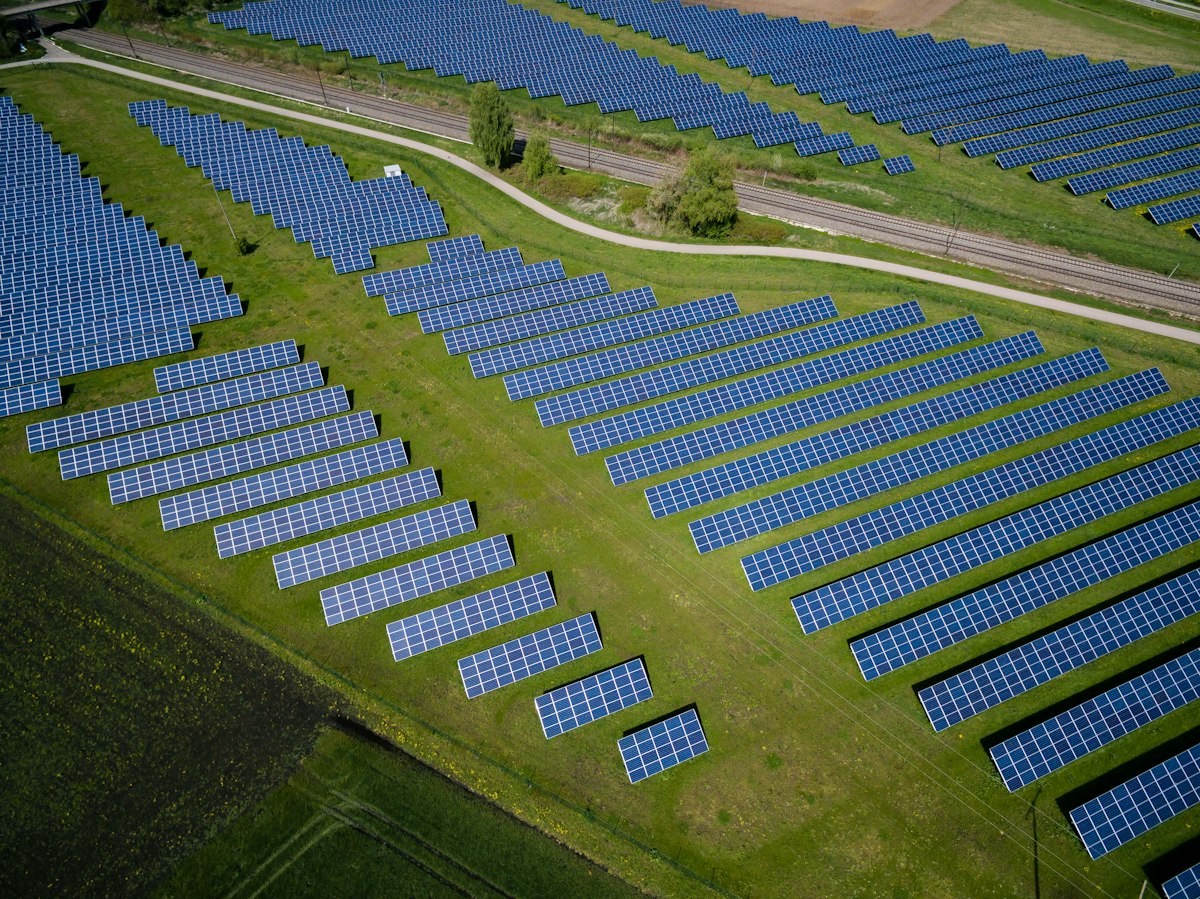
In a significant shift for Texas's energy landscape, solar power capacity has surged by 30% in the past year, significantly driven by recent regulatory changes.
According to data from the Electric Reliability Council of Texas (ERCOT), the state’s solar generation reached an all-time high of 15,000 megawatts in June 2026, a remarkable increase from 11,500 MW in June 2025. This growth is largely attributed to the Texas Renewable Energy Incentive Program, which offers tax credits for new solar installations.
“Texas is leading the nation in solar expansion, and these new policies are playing a critical role in accelerating our transition to renewable energy,” said Emily Martinez, Director of Solar Initiatives at the Texas Energy Commission. “We are not just meeting the needs of Texans today; we are paving the way for a sustainable future.”
The state's push towards solar energy comes in response to both environmental concerns and the rising demand for electricity. Last summer's heat wave resulted in record-high energy consumption, prompting a reevaluation of energy sources.
Major cities, including Houston and Dallas, are at the forefront of this solar boom. In Houston, the installation of solar panels has increased by 40% over the past year, with over 200 new solar firms emerging to meet the demand.
However, this rapid growth has not been without its challenges. Utility companies are grappling with the implications of a changing grid, leading to discussions about infrastructure upgrades and storage solutions.
As Texas moves towards a more diversified energy portfolio, stakeholders are hopeful that continued investment in solar technology will bolster the state's economy. Analysts predict that the solar industry could contribute upwards of $5 billion to the Texas economy by 2027.
In an effort to further promote solar energy, state legislators are considering additional measures to streamline the permitting process for solar installations, aiming to attract even more investment in the sector.