
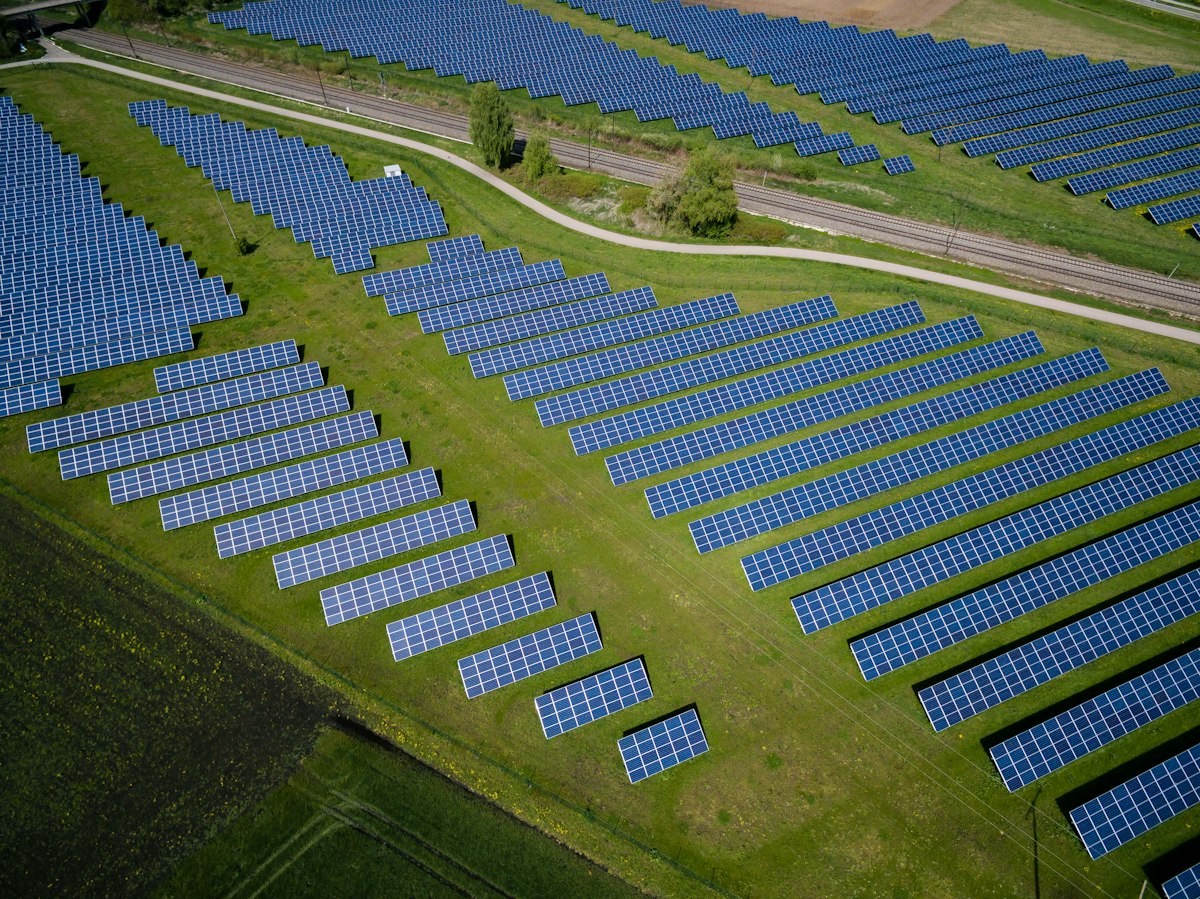
As of July 2026, Texas has officially surpassed 40 gigawatts (GW) of installed solar power capacity, solidifying its position as the leading state for solar energy in the nation.
This milestone comes on the heels of recent policy shifts aimed at enhancing renewable energy adoption, including the implementation of tax incentives for solar installations. The Texas Public Utility Commission (PUC) has projected that solar energy could account for upwards of 25% of the state's energy supply by 2030, driven by both utility-scale projects and residential solar installations.
Austin-based company, SunPower Technologies, has been a major player in this expansion, reporting a 40% increase in their solar panel sales in the first half of 2026 compared to the previous year. “The state's commitment to a diversified energy portfolio is clearly paying off,” said Emily Torres, CEO of SunPower Technologies. “We're excited to be part of this transformative journey.”
As Texas moves further into renewable energy, analysts also predict that job growth in the solar sector will accelerate. According to the Solar Energy Industries Association (SEIA), Texas added over 10,000 jobs in solar-related fields last year, and this trend is expected to continue. Many companies are now looking to capitalize on the growing demand for solar installation and maintenance services.
However, the rapid growth of solar energy in Texas is not without its challenges. Critics argue that the current infrastructure may not be equipped to handle the influx of solar energy, especially during peak demand periods. John Simmons, a senior analyst at the Energy Information Administration (EIA), stated, “We need to ensure that our grid can handle the variability of solar power while maintaining reliability.”
In light of these concerns, the PUC is exploring various measures to enhance grid reliability, including the expansion of energy storage solutions and demand response programs. This grid modernization will be critical as Texas aims to balance its growing appetite for renewable energy with the need for stability.
As the state continues its ambitious energy transition, Texas not only sets the pace for solar energy adoption but also serves as a case study for other states considering similar paths. The coming years will undoubtedly reveal the full impact of these changes on Texas’ economy, its energy landscape, and its residents.