
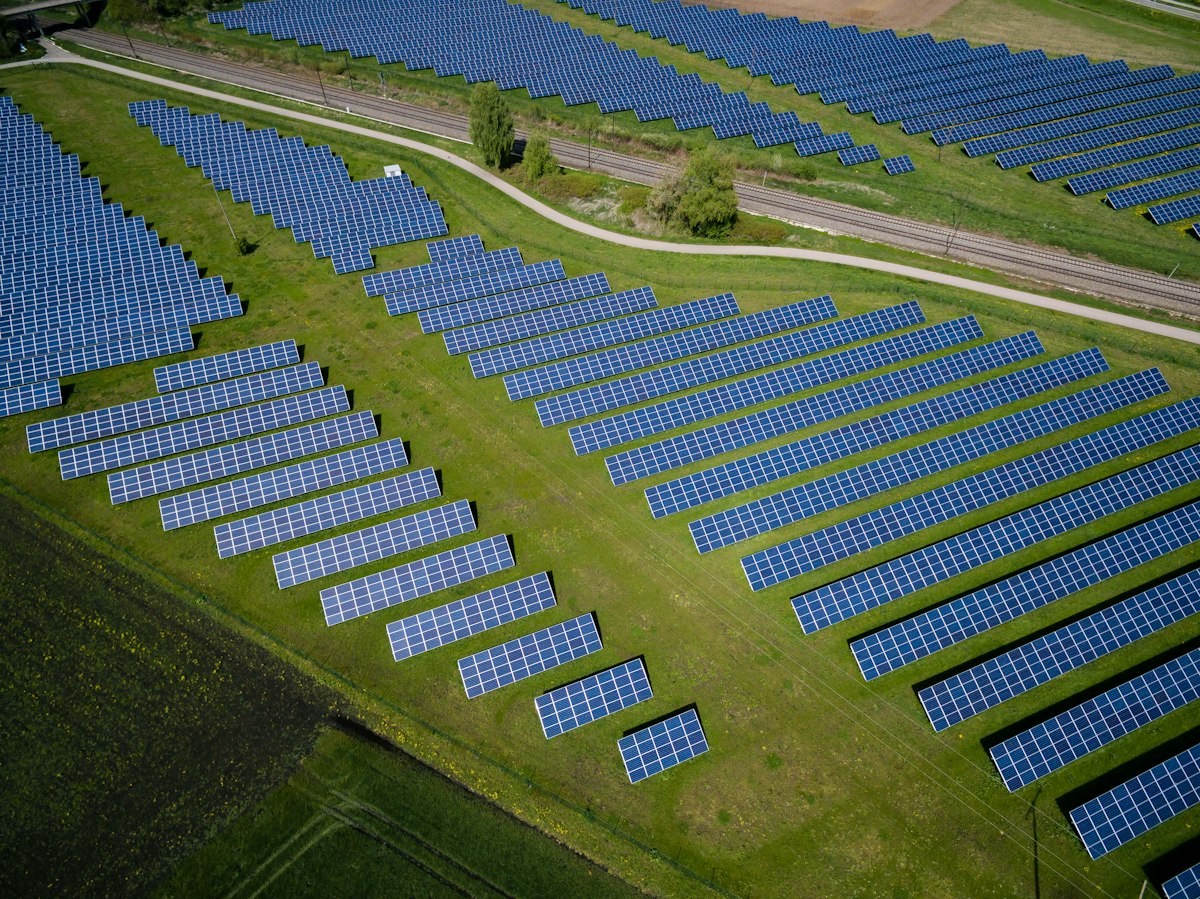
In a significant shift in Texas's energy landscape, the state's solar market has experienced a remarkable surge, driven by increasing energy costs and favorable government policies. Data from the Texas Renewable Energy Industry Association (TREIA) indicates that solar installations in the state reached an all-time high of 12.5 gigawatts (GW) in the first half of 2026, a 25% increase compared to the previous year.
As energy prices have continued to climb, Texans are increasingly turning to solar solutions to mitigate their electricity bills. Households in cities like Austin and Houston, where electricity rates have risen by an average of 15% in the past year, are now more motivated than ever to seek renewable alternatives.
“We are witnessing a pivotal moment in Texas’s energy transition,” said John Smith, Executive Director of TREIA. “The combination of higher energy prices and advancements in solar technology is encouraging more consumers and businesses to invest in renewable energy.”
Not only are residential installations on the rise, but commercial investments are also making headlines. Companies including AT&T and Whole Foods have announced plans to deploy large-scale solar projects across their facilities, contributing to a collective investment exceeding $2 billion. In Dallas, a new solar farm developed by NextEra Energy is expected to generate enough power to supply 50,000 homes.
Moreover, recent legislative support, such as the Solar Investment Tax Credit (ITC), has further incentivized investments. The ITC allows businesses to deduct 30% of the cost of solar installations from their federal taxes, making such projects financially attractive.
The rapid growth of the solar sector in Texas also reflects a broader trend toward sustainability. The state's push to diversify its energy portfolio is evident, with plans to increase renewable energy contributions to 30% of the grid by 2030. This ambition has attracted global investors eager to tap into Texas’s vast solar potential.
However, the growth has not been without challenges. Issues such as supply chain disruptions and regulatory hurdles have posed significant barriers. According to an industry report, delays in equipment supply have set back several projects, leading to concerns about meeting the growing demand.
Despite these obstacles, the outlook remains optimistic. Experts predict that solar capacity in Texas could reach 25 GW by the end of 2027, driven by ongoing investments and technological advancements.
In conclusion, as the demand for energy continues to escalate, Texas’s solar market stands poised for unprecedented growth. With a combination of governmental support, corporate investment, and increasing consumer awareness, the state is on track to solidify its status as a leader in renewable energy.