
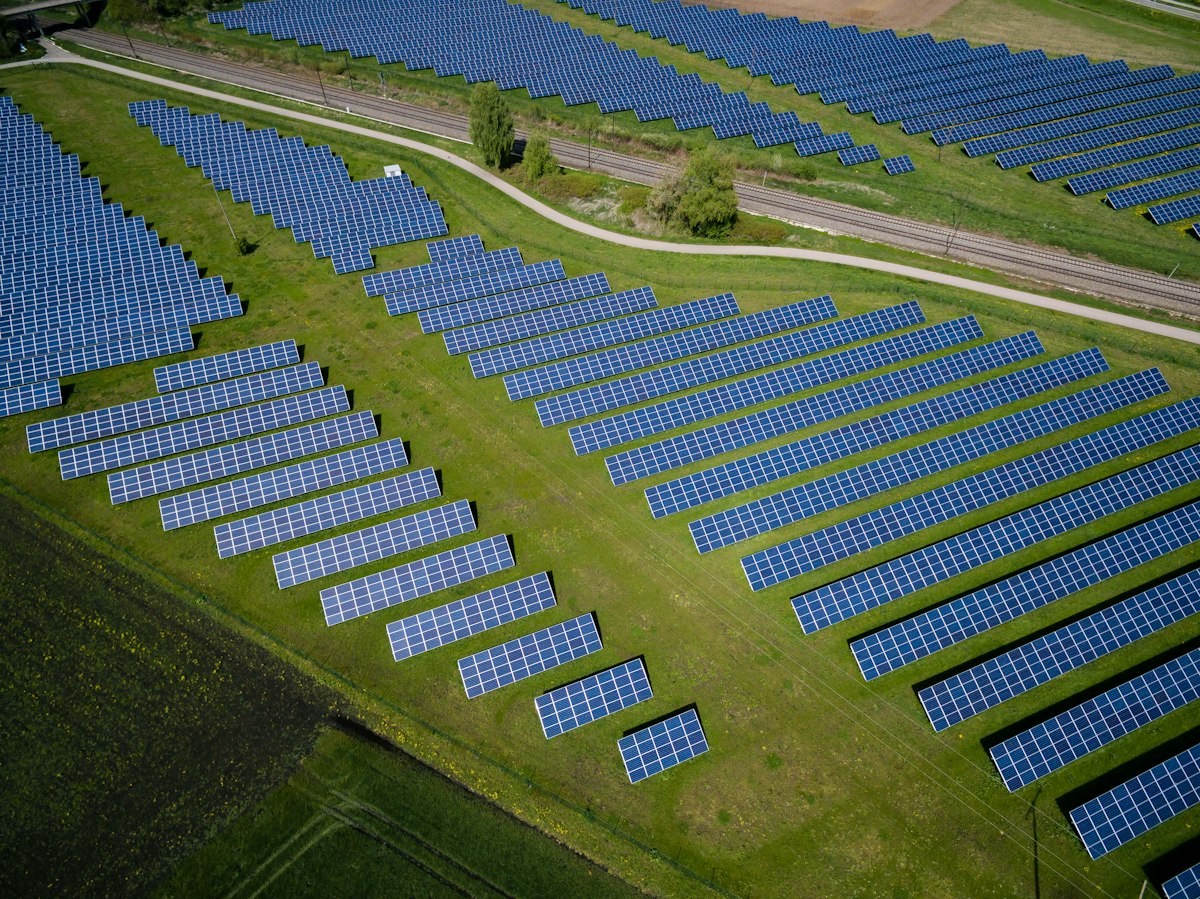
As of August 1, 2026, Texas has seen a dramatic increase in solar energy capacity, with installations nearly doubling in the past year due to new state incentives and federal support.
The state, long known for its oil and gas dominance, is now embracing renewable energy more than ever. According to the Texas Solar Power Association, the state’s solar capacity surged to over 25 gigawatts (GW) in just the past twelve months. This growth is largely attributed to Senate Bill 234, passed in early 2026, which offers substantial tax breaks for solar installations.
“The incentives have created a perfect storm for solar adoption in Texas,” said Mark Turner, Executive Director of the Texas Solar Power Association. “Residential and commercial investments are soaring, and we expect this trend to accelerate as more people recognize the long-term benefits of solar energy.”
Cities like Austin and Houston are leading the charge. Austin Energy, the city-owned utility, has reported a 150% increase in solar installations since the beginning of the year. Meanwhile, Houston, under a new Clean Energy Initiative, aims to achieve 50% renewable energy by 2030.
The economic implications are significant. With the solar sector now employing over 50,000 Texans, the growth is contributing to job creation in construction, manufacturing, and maintenance sectors. The Texas Workforce Commission projects that the demand for skilled solar workers will grow by 20% annually over the next five years.
Yet, the rapid expansion has not been without its challenges. The Texas grid operator, ERCOT, has raised concerns about the reliability of solar energy, especially as demand peaks during the summer months. ERCOT’s CEO, Brad Jones, has called for “a balanced approach” to energy generation, emphasizing the need for backup resources in order to avoid power outages.
Despite these concerns, the momentum in the solar market shows no signs of slowing down. Major companies like First Solar and Tesla are investing heavily in Texas, with Tesla planning to expand its solar panel manufacturing facility in Austin, creating an estimated 1,000 additional jobs.
As the Texas solar industry continues to flourish, experts forecast that the state could soon become the leading solar energy producer in the United States, potentially outpacing California by the end of 2028.