
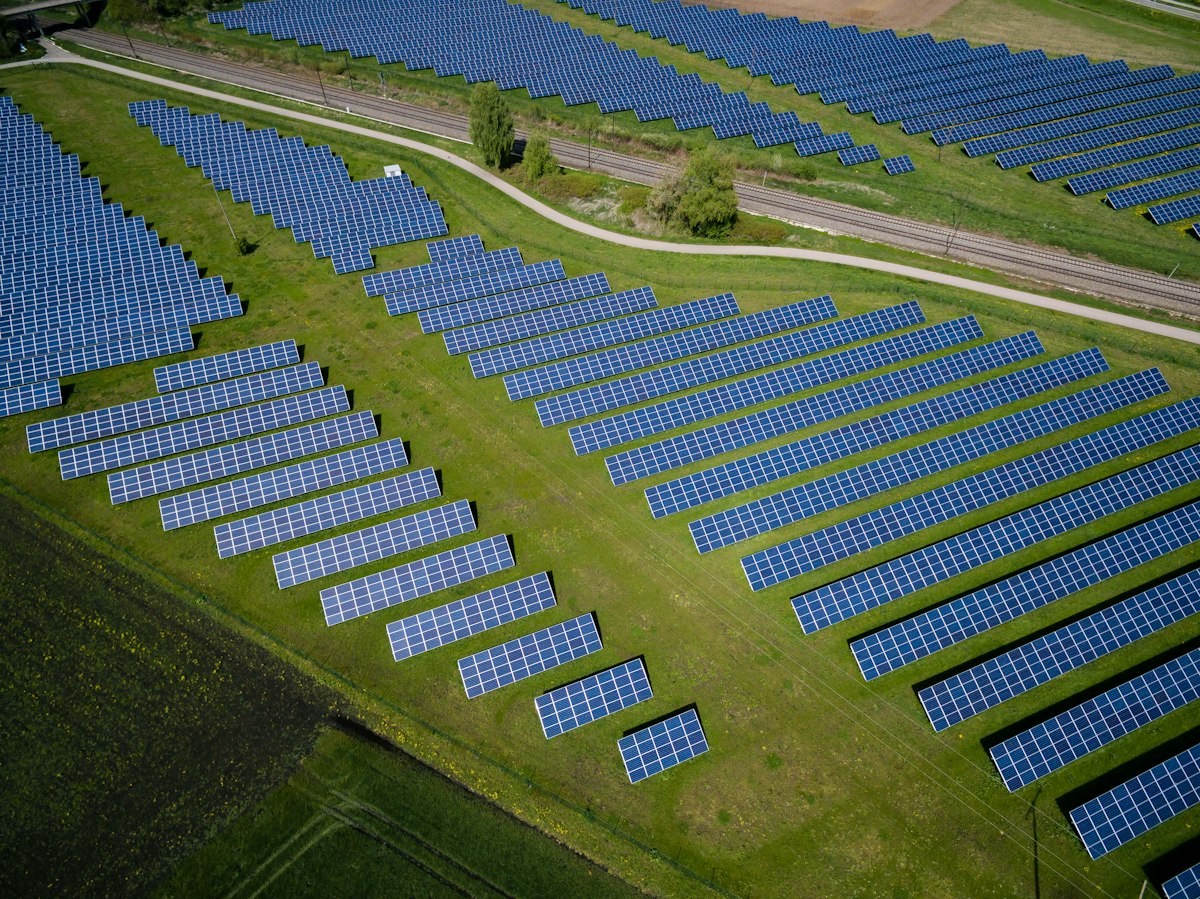
The Texas solar market is experiencing unprecedented growth, fueled by new federal incentives aimed at accelerating renewable energy adoption.
As of July 2026, Texas boasts more than 30 gigawatts of installed solar capacity, cementing its position as the national leader in solar energy production. According to the Texas Solar Power Association, the state has seen a 25% increase in solar installations over the past year alone, driven by favorable policies and technological advancements.
The recent passage of the Renewable Energy Expansion Act in Congress has provided tax credits and grants for solar energy projects, which has significantly incentivized both residential and commercial investments. Governor Greg Abbott stated, “This legislation marks a historic moment for Texas as we cement our role as a leader in renewable energy.”
Major players in the solar sector, including Austin-based SunPower Corp and Houston’s NextEra Energy, are ramping up their operations to meet the growing demand. SunPower has announced plans to invest $500 million in new solar farms across Central Texas, aiming to add 2 gigawatts of capacity by 2027. “Our focus is on sustainable growth and providing clean energy solutions to Texans,” said SunPower CEO Peter Faricy.
This surge in the solar market is not just limited to large corporations; residential installations have also skyrocketed. The Texas Residential Energy Efficiency Program reported a 40% increase in home solar installations since the start of the year. With rising energy costs, homeowners are increasingly turning to solar as a cost-effective alternative.
However, challenges remain as Texas grapples with its aging power grid. Experts warn that while solar growth is promising, the infrastructure must be updated to handle the influx of renewable energy. Dr. Emily Henson, a renewable energy analyst at the University of Texas, noted, “Investment in grid modernization is crucial to ensure stability as we transition to a more renewable energy-focused landscape.”
As the state moves forward, it remains to be seen how effectively it can balance these new solar initiatives with the pressing need for infrastructural improvements. Nonetheless, Texas is poised to remain at the forefront of the solar energy revolution in the United States.