
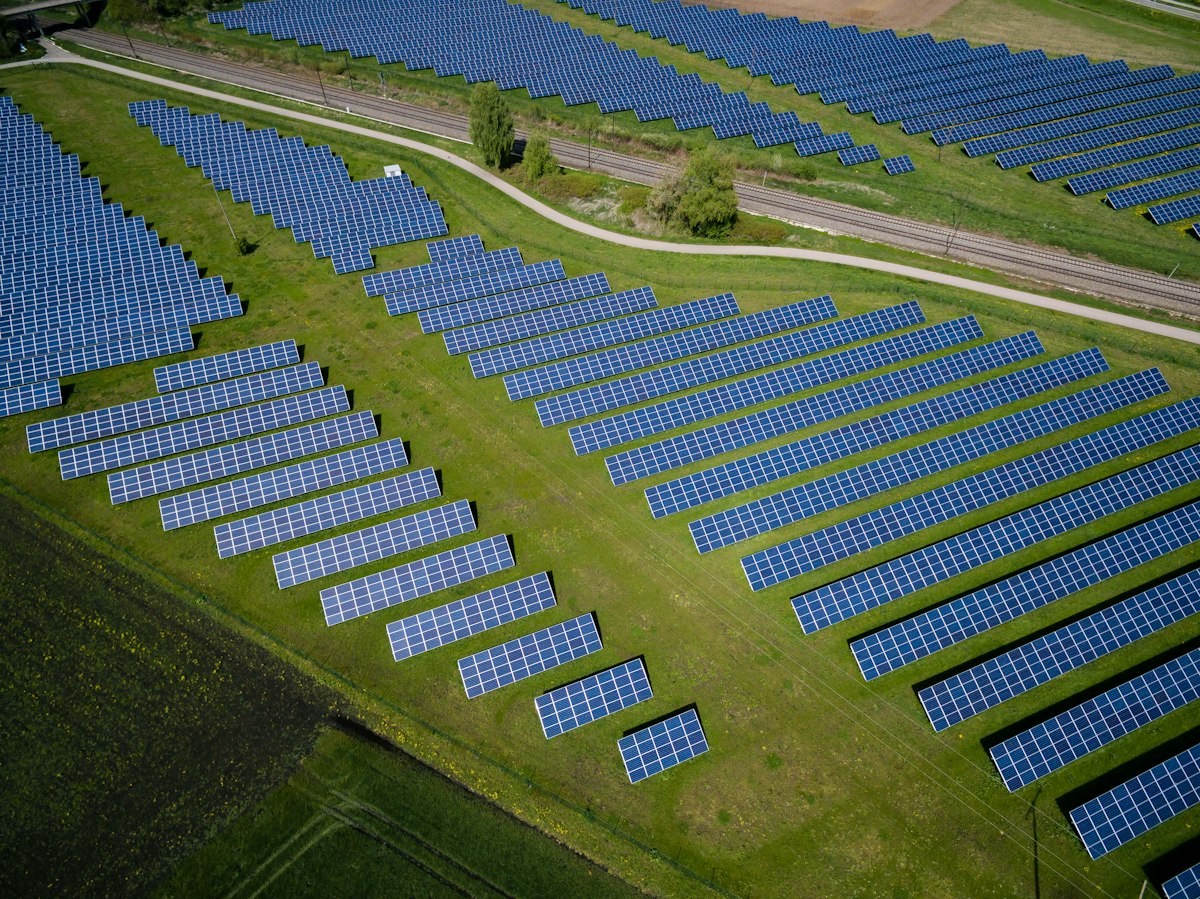
In a bold move towards sustainability, Texas has ramped up its solar energy investments, with a plan to achieve carbon neutrality by 2050.
The Texas Solar Power Association (TSPA) reported a record-breaking installation of 3.5 gigawatts (GW) of solar capacity in 2025 alone, bringing the total capacity to over 15 GW. This shift is part of a broader initiative by the state government to reduce greenhouse gas emissions and promote renewable energy sources.
"With the growing demand for clean energy, we are witnessing unprecedented growth in Texas's solar sector," said TSPA Executive Director Leah Brown. "Our goal is not only to meet the state's energy needs but also to lead the nation in solar capacity."
The surge in solar development has been fueled by a combination of federal tax incentives, state subsidies, and declining costs of solar technology. Companies like Austin-based SunPower Corp and Houston’s NextEra Energy have announced plans to invest heavily in new solar farms throughout the state.
The new solar installations are expected to create approximately 10,000 jobs, significantly contributing to Texas's economy. The workforce in the solar industry has grown by 35% over the past year, underscoring the sector's rapid expansion.
Furthermore, the Texas government is considering additional incentives to attract more solar investments. In July 2026, the state legislature proposed new tax credits for solar projects exceeding 100 megawatts (MW) to stimulate development in rural areas.
As Texas continues to lead the nation in energy production, the shift to solar is seen as a necessary step for a sustainable future. However, challenges remain, particularly in integrating solar energy into the existing grid.
The Electric Reliability Council of Texas (ERCOT), which manages the state's electric grid, is currently working on infrastructure upgrades to ensure that the grid can handle the influx of renewable energy. ERCOT's CEO, Bill Magness, emphasized the importance of these upgrades, stating, "The transition to renewable energy requires significant investment in our grid to maintain reliability and meet peak demands. We are committed to making this happen."
As Texas embraces this transition, it sets an example for other states looking to shift towards cleaner energy sources. The implications of this solar boom extend beyond environmental benefits; it signals a significant economic shift that could redefine Texas's energy landscape for decades to come.