
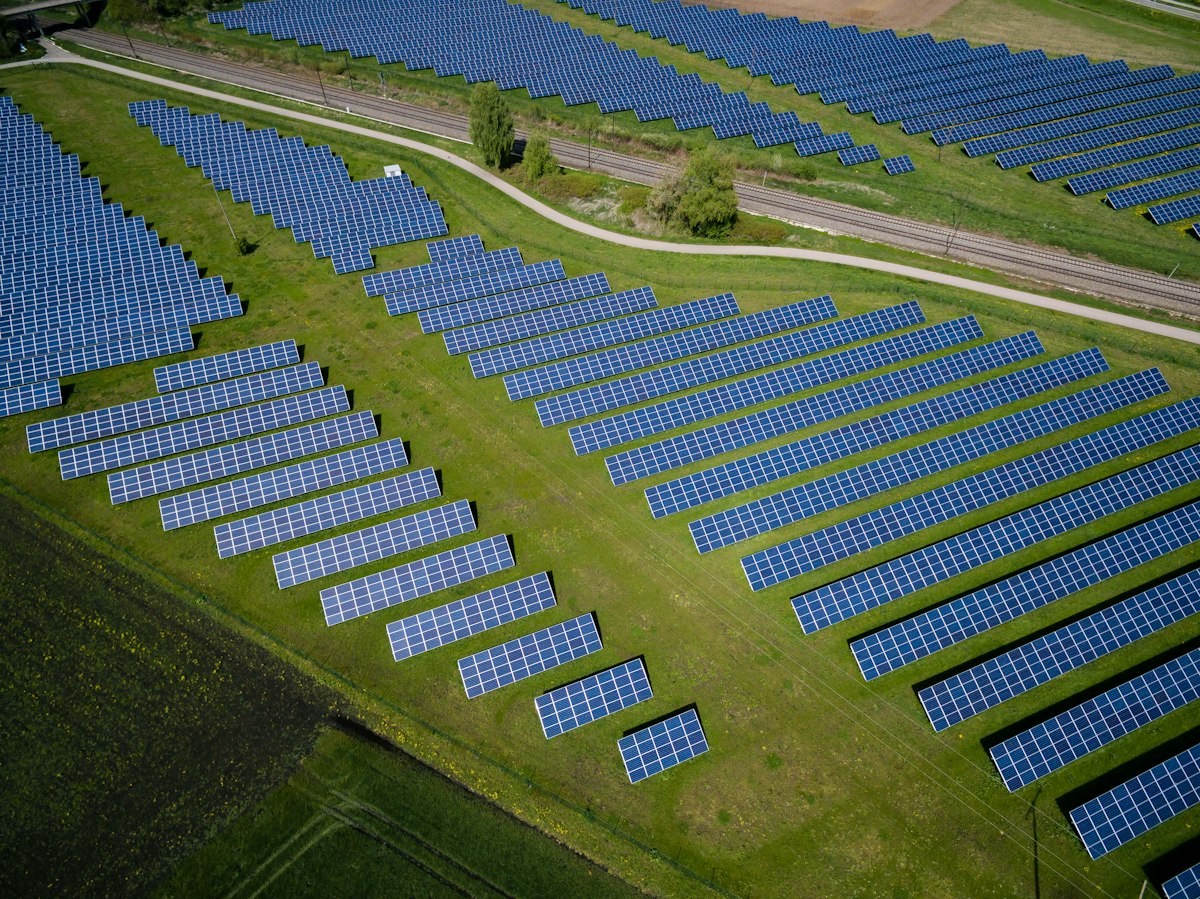
As Texas continues to assert its dominance in the renewable energy sector, recent policy changes are fueling a significant surge in solar energy investments across the state.
In a report released last week by the Texas Renewable Energy Association (TREA), the state has seen a staggering 35% increase in solar installations year-over-year, with over 3,500 megawatts (MW) added in the first half of 2026. This uptick is largely attributed to the newly implemented tax incentives designed to promote renewable energy sources.
Austin-based solar developer, SunPeak Energy, announced plans to invest $200 million in a new solar farm located near Abilene, which is expected to generate enough power to supply approximately 100,000 homes. “The combination of favorable regulations and a growing demand for clean energy solutions has made Texas a prime location for solar development,” said CEO Mark Reynolds.
This increasing trend comes on the heels of the Texas legislature passing the Renewable Energy Expansion Act, which provides a 30% tax credit for solar projects initiated before 2028. Industry analysts predict that this could attract an additional $5 billion in investments over the next two years.
Furthermore, the Texas Public Utilities Commission has set ambitious targets to achieve 60% of the state’s energy from renewable sources by 2030, a goal that many believe is now within reach. “Texas is poised to become the leading state in solar energy production, and this policy shift is just the beginning.” remarked TREA Executive Director, Lisa Monroe.
Major players in the energy sector, such as NRG Energy and NextEra Energy, are also ramping up their solar initiatives, committing to invest billions in new projects throughout the state. NRG recently announced a collaboration with local governments to create community solar programs aimed at providing affordable energy options to low-income households.
While the rise of solar energy is welcomed by many, concerns about grid reliability remain a prominent topic among stakeholders. The state’s energy grid, overseen by the Electric Reliability Council of Texas (ERCOT), has faced scrutiny following the February 2021 winter storm that left millions without power. “We must ensure that our grid can handle this increased capacity while maintaining reliability,” stated ERCOT CEO, Brad Jones.
As Texas moves toward an increasingly diversified energy portfolio, the solar sector is likely to play a pivotal role in the state’s economic landscape. With continued investment and supportive policies, Texas could solidify its position as a leader in the fight against climate change.