
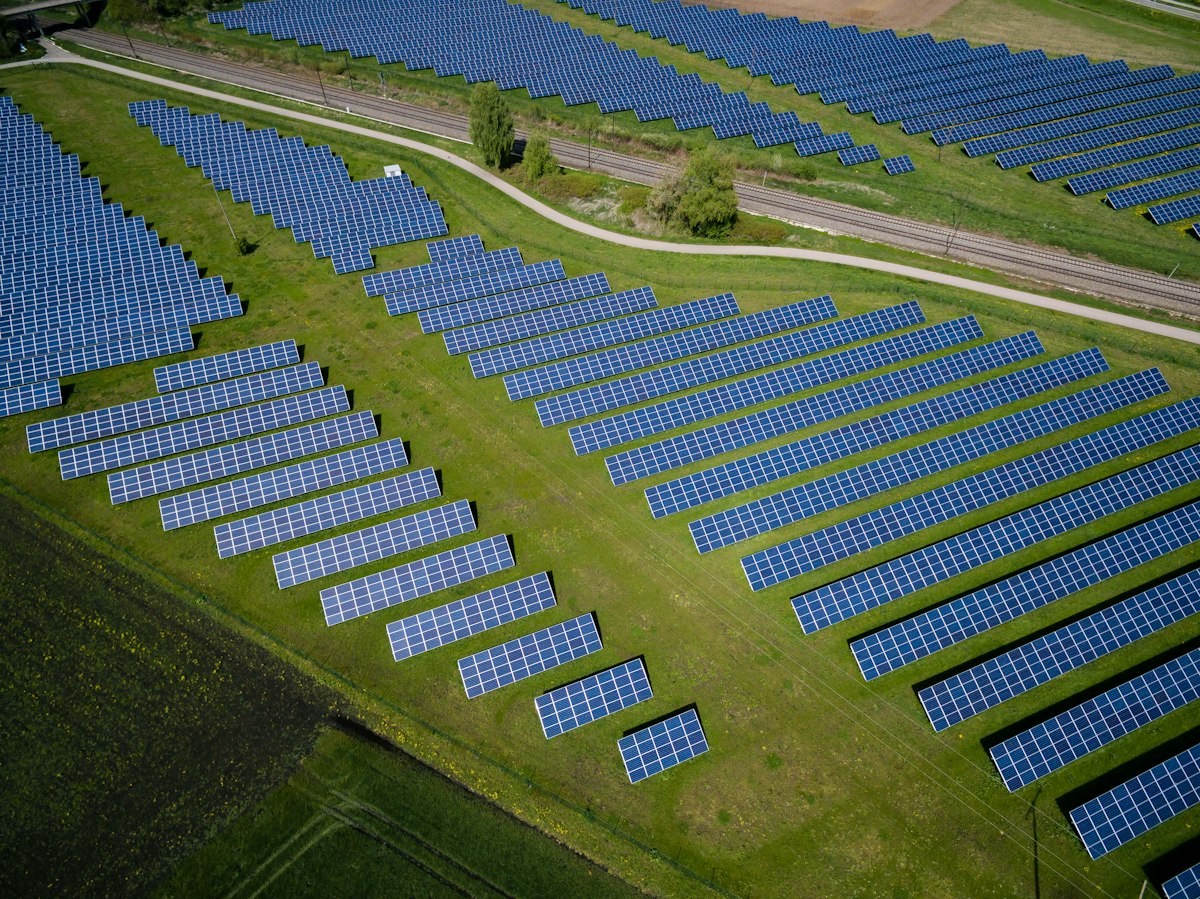
The Texas solar industry is witnessing an unprecedented boom following the recent federal incentives aimed at renewable energy expansion.
As of August 2026, the U.S. Department of Energy has allocated $5 billion in grants to support solar projects across the nation, with Texas poised to capture a significant share due to its vast land and sun resources. Industry experts predict that Texas could increase its solar capacity by 60% over the next two years, translating to an additional 10 gigawatts (GW) of power generation.
Companies like Austin-based SunPower Texas and Houston’s NextEra Energy are leading the charge. SunPower Texas recently announced plans to invest $1 billion in a new solar farm in Travis County, which is expected to provide electricity for over 300,000 homes once operational by 2028. "With the federal government's commitment, we can accelerate our projects and provide clean energy solutions faster than ever before," said Maria Gonzalez, CEO of SunPower Texas.
Additionally, NextEra Energy is set to break ground on its new facility in Fort Bend County, which will be one of the largest solar farms in the state at 2.5 GW. The project is expected to create approximately 1,500 jobs during construction and an estimated 100 permanent positions once operational.
This surge in solar capacity not only aligns with Texas’s goals for renewable energy but is also crucial for reducing greenhouse gas emissions. The state aims to achieve a 30% reduction in carbon emissions by 2030, a target that has been endorsed by Governor Greg Abbott.
With the demand for clean energy rising, energy analysts estimate that solar energy could account for nearly 25% of Texas's total energy generation by 2030, up from approximately 10% today. This shift is expected to bolster the state's economy, attracting investments and fostering innovation in clean technologies.
As solar companies forge ahead, challenges still remain, particularly regarding grid infrastructure and regulatory hurdles. Texas's unique deregulated energy market means that while there is ample opportunity, navigating the regulatory landscape can be complex. Industry leaders are calling for clearer guidelines and collaboration with state officials to ensure seamless integration of new solar projects into the existing grid.
In summary, the combination of federal support and local initiative positions Texas as a leader in the solar sector, setting the stage for a significant transformation of the state's energy landscape in the coming years.