
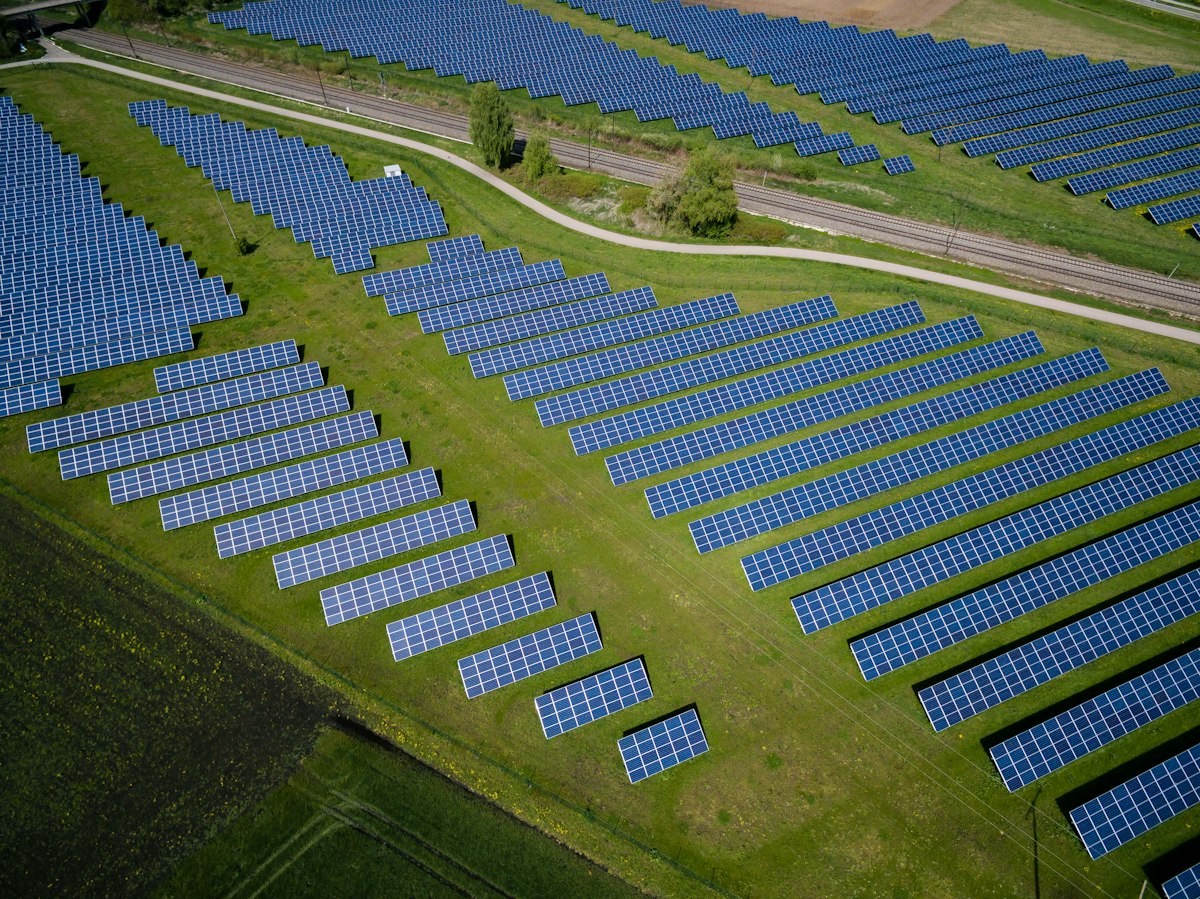
As Texas transitions to renewable energy, the solar industry is experiencing unprecedented growth fueled by favorable legislation and increasing investment.
In the first half of 2026, solar installations in Texas surged by 40% compared to the same period last year, according to the Texas Solar Power Association. This increase has led to an estimated 12,000 new jobs in the sector, primarily concentrated in cities like Austin and Dallas.
The Texas legislature passed a series of incentives designed to bolster the solar market, including tax rebates for residential solar installations and grants for commercial projects. These initiatives aim to make solar energy more accessible to Texans and reduce the overall carbon footprint of the state.
"Texas has always been a leader in energy production, and now we are leading the charge in renewable energy as well," said Sarah Martinez, Executive Director of the Texas Solar Power Association. "With these new incentives, we are empowering more Texans to harness the sun’s energy and contribute to a greener future."
According to industry forecasts, Texas is on track to exceed 30 gigawatts of solar capacity by the end of 2027, a benchmark that would solidify its position as the largest solar market in the United States. This growth coincides with a nationwide push for cleaner energy sources, as many states aim to achieve net-zero emissions by mid-century.
In addition to legislative support, private investment in the solar sector has skyrocketed, with venture capital firms pouring over $500 million into Texas-based solar startups in the past year alone. Companies such as SunPower and First Solar are expanding their operations in the state, attracted by the robust infrastructure and skilled workforce.
The influx of new solar projects is also expected to stimulate local economies, particularly in rural areas where many solar farms are being developed. Counties such as Pecos and Brewster are witnessing substantial economic benefits, including increased property tax revenues and job creation in local communities.
However, as the solar industry grows, some challenges remain. Critics argue that the rapid expansion can strain the electricity grid, particularly during peak usage times. The Electric Reliability Council of Texas (ERCOT) is working to address these concerns by updating grid management protocols and investing in energy storage solutions.
As Texas continues to embrace solar energy, it remains to be seen how effectively the state can balance growth with grid stability. Nevertheless, the trajectory appears promising, and the Lone Star State is poised to play a crucial role in the future of renewable energy in the U.S.