
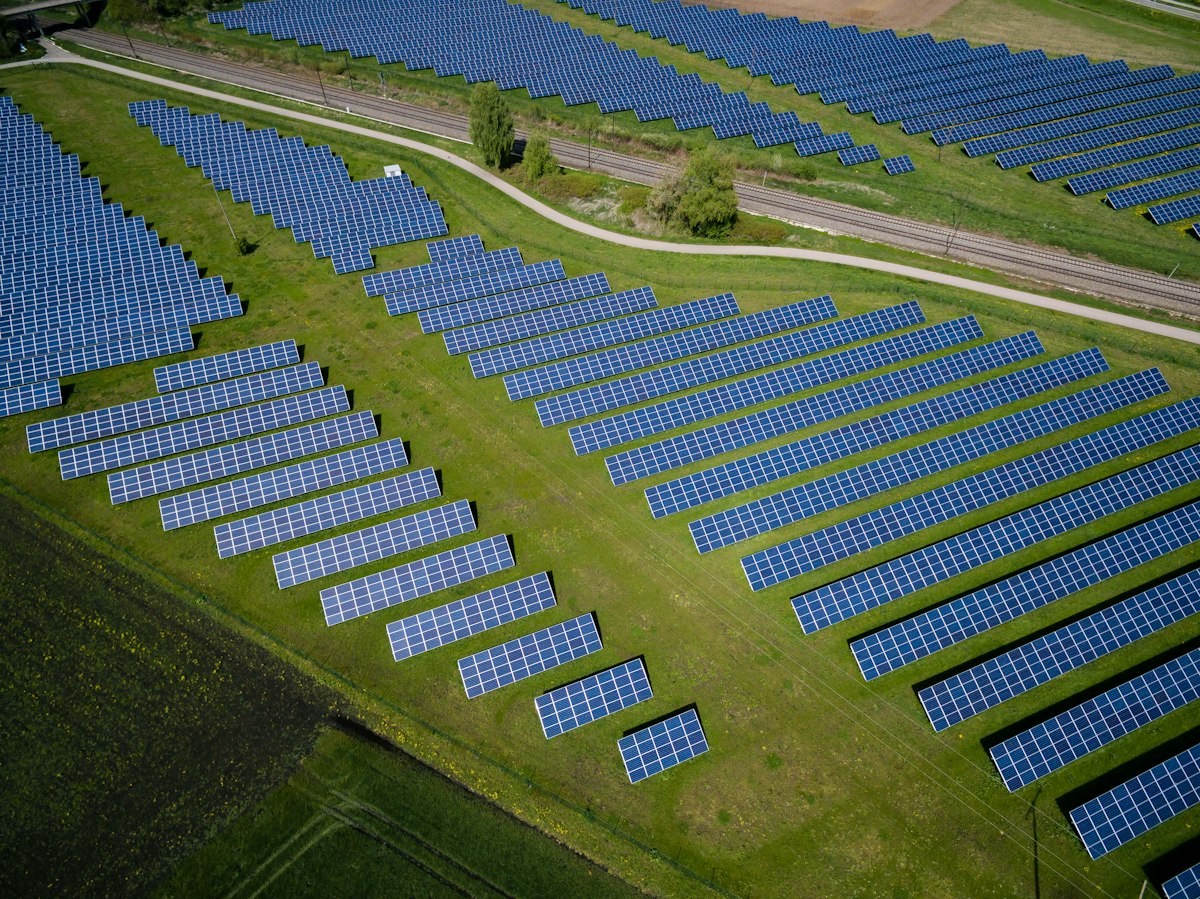
As the sun sets on traditional fossil fuels, Texas is witnessing a remarkable transformation in its energy landscape, with solar power leading the charge.
Recent reports from the Texas Solar Energy Industries Association indicate that solar energy capacity in the state has surged to over 18 gigawatts, marking a 40% increase since 2024. This rapid growth is largely attributed to federal incentives established under the Inflation Reduction Act, which has made solar installations more financially viable for both businesses and homeowners.
Austin, once known primarily for its vibrant music scene, is quickly becoming a hub for solar innovation. With companies like SunPower Corp. and NextEra Energy establishing major operations in the city, local experts predict that the solar sector will create upwards of 50,000 jobs over the next five years. “The momentum we are seeing is unprecedented,” said John Smith, CEO of SolarTexas, a leading solar provider in the state. “Texans are ready to embrace renewable energy, and the federal incentives have made it easier than ever to make that transition.”
In addition to job creation, the solar boom has significant implications for Texas's economy. The solar industry attracted over $3 billion in investment last year alone, which is expected to double by 2028 as more projects come online. Furthermore, the state is on track to meet its ambitious climate goals, aiming for a 50% reduction in greenhouse gas emissions by 2030.
However, challenges remain. The Texas grid, managed by the Electric Reliability Council of Texas (ERCOT), struggles with integrating renewable sources due to outdated infrastructure. Experts are advocating for investments in energy storage solutions and grid modernization to accommodate the growing influx of solar energy.
Communities across Texas are also benefitting from these changes. In cities like Laredo and El Paso, local governments are implementing solar initiatives that not only lower energy costs but also promote sustainability. These initiatives are bolstered by community engagement and educational programs aimed at informing residents about the benefits of solar energy.
As Texas continues to lead the nation in solar energy production, the implications extend beyond mere numbers. A shift towards renewable energy signifies a cultural change within a state long associated with oil and gas. “This isn’t just about energy; it’s about our future and the kind of world we want to build,” added Smith.