
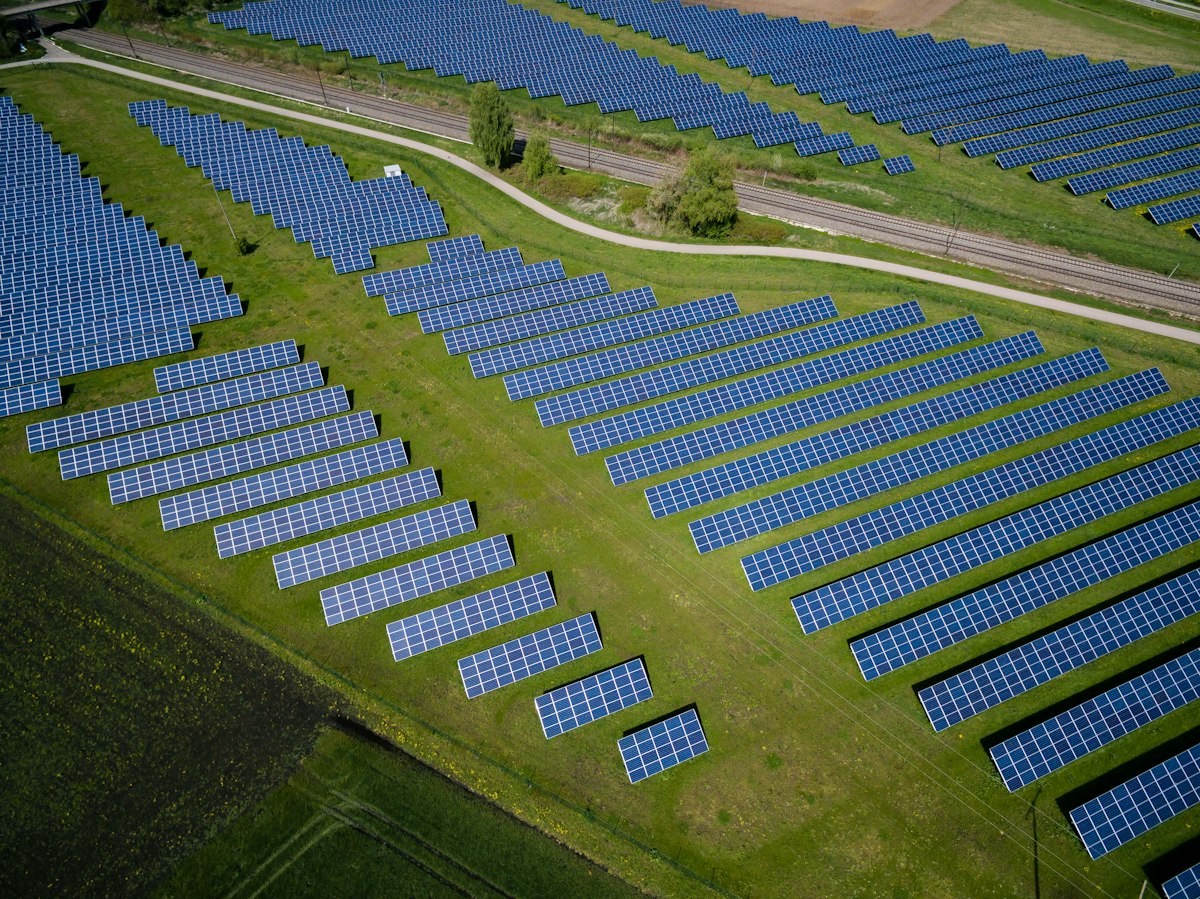
As Texas continues to lead the nation in renewable energy production, the solar industry is experiencing a remarkable surge, driven by new state incentives and federal support. In 2026, the total installed solar capacity in Texas reached 38 gigawatts (GW), a significant increase from just 28 GW in 2023. This growth reflects a broader shift in energy policy aimed at reducing carbon emissions and promoting sustainability.
According to the Texas Solar Power Association (TSPA), the state’s solar installations generated over 15% of the total electricity consumed during peak periods in June 2026, a record high. The expansion is largely attributed to the Texas Legislature’s passage of the Renewable Energy Incentives Bill earlier this year, which offers tax credits and rebates for solar panel installations.
“The incentives have made solar power more accessible than ever for both residential and commercial customers,” said TSPA Executive Director, Mark Smith. “This not only helps reduce energy costs for Texans but also contributes to job creation in the renewable sector.”
Major cities like Austin and Houston are at the forefront of this transformation. In Austin, local utility Austin Energy reported a 25% increase in solar installations compared to the previous year, with an anticipated investment of $150 million to expand solar capacity. Houston, meanwhile, is seeing a surge in large-scale solar farms, with multiple projects in development expected to collectively generate over 2 GW of electricity.
Furthermore, the impact of these policies is rippling through the job market. The solar sector alone has created approximately 12,000 new jobs in Texas in 2026, with companies like SunPower and First Solar leading the charge. SunPower, based in Austin, has expanded its workforce by 30% to meet the rising demand for solar installations.
However, this growth is not without its challenges. Critics argue that the rapid expansion of solar energy could strain Texas's power grid, especially during peak summer months when demand surges. The Electric Reliability Council of Texas (ERCOT) has warned that enhancements to grid infrastructure will be necessary to accommodate the influx of solar energy.
“While we are excited about the growth in solar energy, we need to ensure that our grid can handle this influx without compromising reliability,” said ERCOT CEO, Brad Jones. “Investment in grid enhancements is crucial to maintaining our energy security.”
As Texas continues to set the pace for solar energy in the United States, the focus will be on balancing growth with reliability as the state strives for a cleaner energy future.