
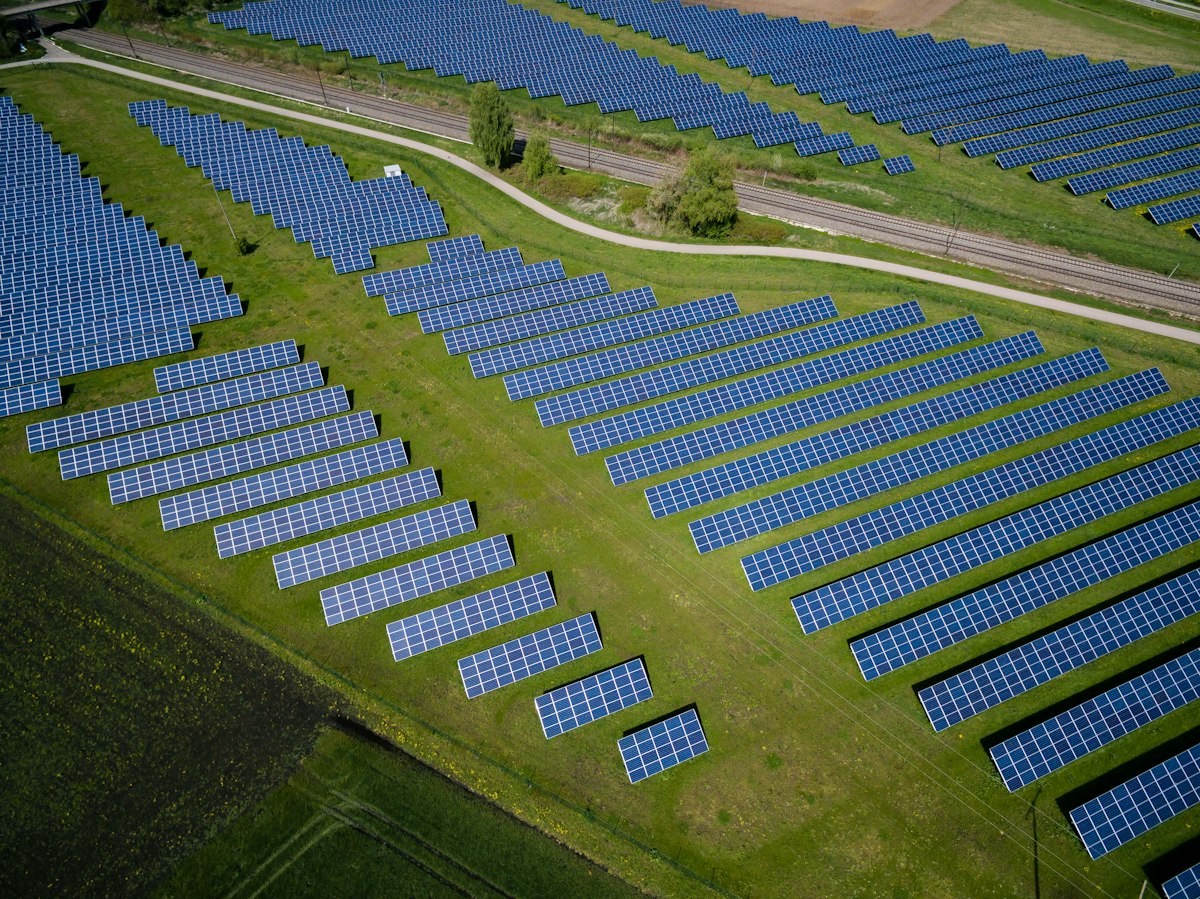
The Texas solar industry is poised for unprecedented growth in 2026, spurred by a combination of new state policies and increasing consumer demand for renewable energy sources. Recent reports indicate that Texas surpassed 30 gigawatts of solar power capacity, making it the leading state in the nation for solar energy production.
The surge in installations is attributed to the Texas Renewable Energy Incentive Program, which offers significant tax rebates for both residential and commercial solar projects. According to the Texas Solar Power Association, the state saw a 60% increase in solar installations in the first half of 2026 compared to the previous year, with over 5 gigawatts added in just six months.
“This growth trajectory is a clear indication that Texans are increasingly recognizing the benefits of solar energy,” said Jane Doe, Executive Director of the Texas Solar Power Association. “With the incentives in place, many homeowners are making the switch, and businesses are following suit to reduce operational costs and carbon footprints.”
The city of Austin has emerged as a leader in solar energy adoption. The local government has committed to sourcing 100% of its energy needs from renewable sources by 2030. As part of this initiative, the city has partnered with various solar companies to facilitate large-scale installations and educate residents about the benefits of solar energy.
However, challenges remain. While the incentives have spurred growth, supply chain issues and rising costs for solar panels have created some hurdles for developers. The average cost of residential solar installations has risen by approximately 15% compared to last year, primarily due to global supply shortages and escalating material prices.
In response to these challenges, major players in the Texas solar market, such as NextEra Energy and First Solar, are ramping up local manufacturing efforts to mitigate supply chain risks. NextEra has announced plans to invest $500 million in a new facility in San Antonio, aiming to produce solar panels and components locally by 2027.
As the demand for solar energy continues to soar, the Texas legislature is expected to propose additional measures to support the industry in the upcoming session. Stakeholders are advocating for the extension of existing tax credits and the introduction of new programs to further incentivize solar adoption across the state.
“What we need now is consistent policy support that encourages long-term investments in solar technology,” added Doe. “If we can do that, Texas can solidify its position as the national leader in renewable energy.”