
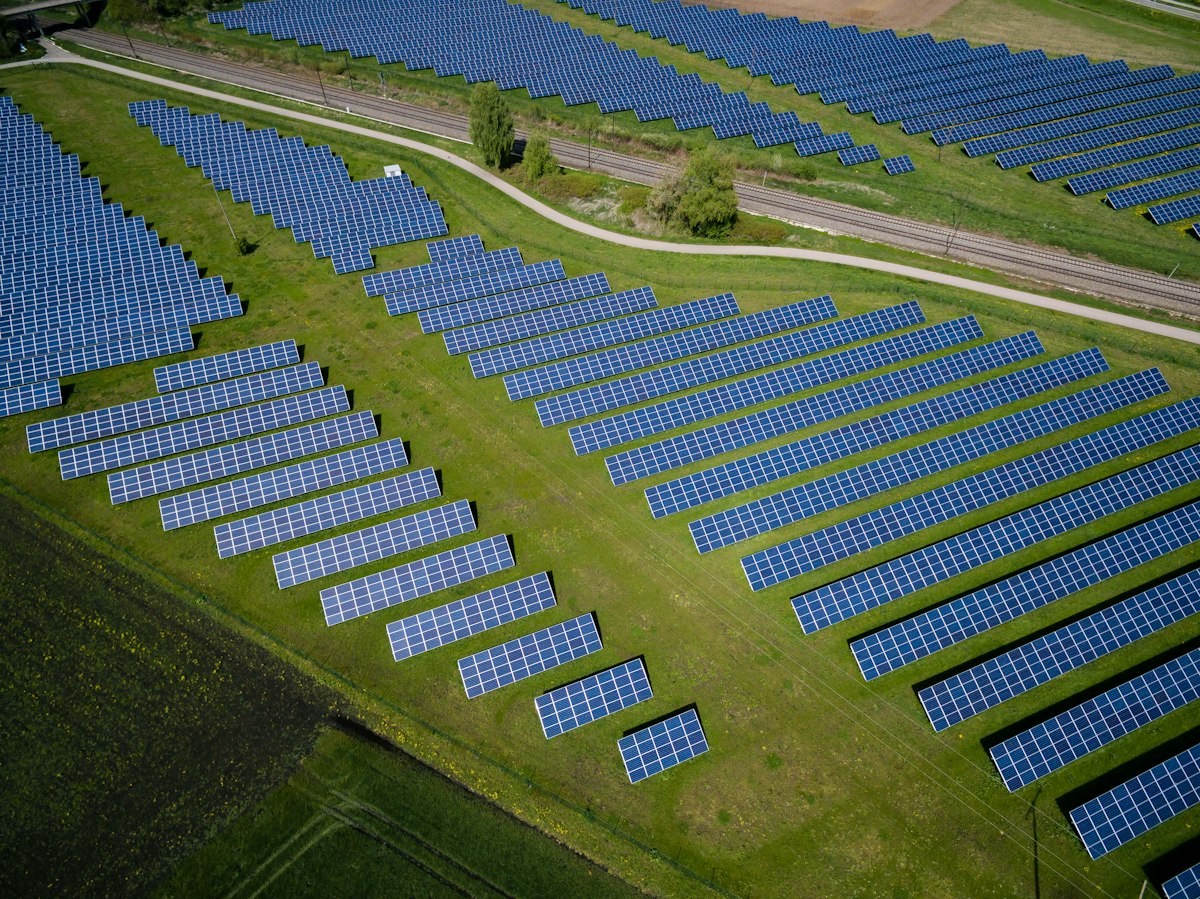
As of July 2026, Texas has cemented its position as the leading state for solar energy production in the United States, with investments surpassing the $5 billion mark this year alone.
According to the Texas Solar Power Association, the state has installed over 30 gigawatts (GW) of solar capacity, marking a 20% increase from 2025. This surge in capacity is largely attributed to favorable state policies, declining installation costs, and a growing commitment from major corporations to source renewable energy.
Houston-based NextEra Energy Resources is among the top players in this boom, announcing the acquisition of a new 1.5 GW solar project in Pecos County. “Texas has become the epicenter for solar innovation and investment, and we are excited to contribute to this growth,” said John Hargrove, Vice President of NextEra.
The rapid expansion is not without its challenges. Local utilities are grappling with infrastructure upgrades to accommodate the influx of solar energy. The Electric Reliability Council of Texas (ERCOT) has reported significant strain on the grid during peak demand hours, leading to calls for increased investment in energy storage solutions.
In response, Texas has seen a rise in energy storage projects. Companies like Fluence Energy are spearheading initiatives to develop battery storage systems that can store excess solar energy for use during high-demand periods. Fluence's CEO, Manoj Singh, stated, “Energy storage is crucial for leveraging solar power effectively and ensuring grid reliability.”
The impact of this solar investment goes beyond energy generation. According to a recent report by the Texas Workforce Commission, the solar industry has created over 40,000 jobs in the state since 2020, with projections estimating that this number could double in the next five years.
As Texas continues to embrace solar energy, the state's economic landscape is evolving. The blend of energy needs, governmental support, and corporate responsibility is expected to drive further investments into the renewable sector, with a potential long-term impact of stabilizing energy prices for residents.