
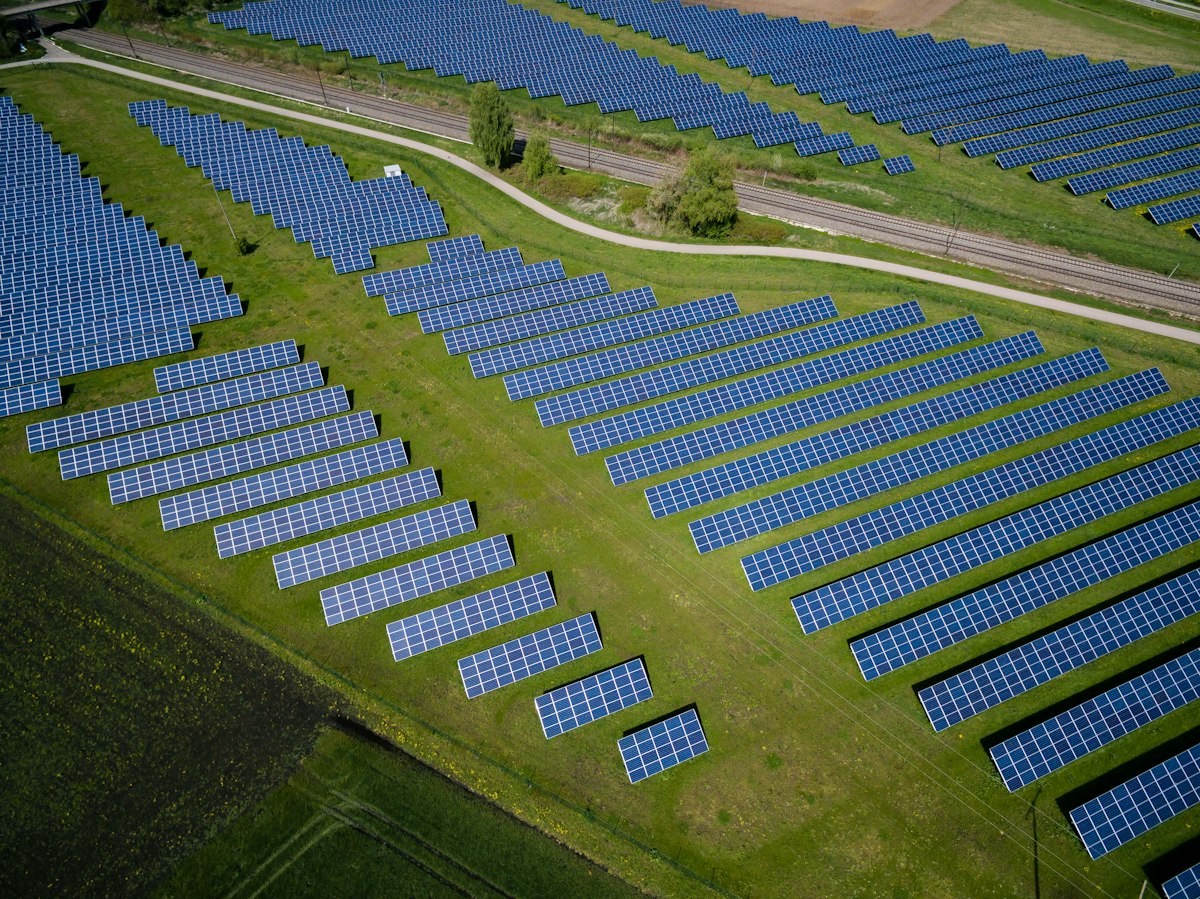
As Texas continues to harness its abundant sunshine, the state has become a leading force in solar energy production, boasting over 30 gigawatts of installed capacity as of August 2026.
In the past year alone, Texas witnessed a staggering 25% increase in solar installations, with more than 5 gigawatts added in 2025. This expansion has been largely fueled by renewed federal incentives aimed at promoting renewable energy sources, including the extension of the Investment Tax Credit (ITC) to 30% through 2032.
Major players in the Texas solar market, such as NextEra Energy and Duke Energy, have ramped up their investments, allocating over $5 billion towards new solar farms in the Lone Star State. “The combination of federal support and Texas’ natural resources positions us perfectly to lead in solar energy,” stated Jennifer Sanchez, Senior Vice President of NextEra Energy.
Cities like Austin and San Antonio are at the forefront of this solar boom, implementing ambitious plans to transition to 100% renewable energy by 2030. Austin Energy’s recent report highlights that the city’s solar capacity has reached 2.5 gigawatts, enough to power approximately 500,000 homes.
However, the rapid expansion has not been without challenges. Critics have raised concerns over the strain on the state’s electrical grid, particularly during peak demand periods. The Electric Reliability Council of Texas (ERCOT) has issued warnings that while renewable sources are critical for long-term sustainability, the grid must improve its infrastructure to accommodate the growing influx of solar energy.
Moreover, local communities have expressed mixed feelings about the proliferation of solar farms. While many residents understand the environmental benefits, others are concerned about land use and aesthetic impacts. “It’s a balancing act,” remarked Maria Gomez, a resident of rural Texas. “We want clean energy, but we also want to maintain our landscapes and agricultural lands.”
As Texas solidifies its position as the largest solar market in the United States, stakeholders are increasingly optimistic about the future. The Texas Solar Power Association forecasts that by 2030, solar capacity could exceed 50 gigawatts, significantly contributing to the state’s energy needs and job market. This growth not only supports environmental objectives but also positions Texas as a central player in the global transition to cleaner energy.