
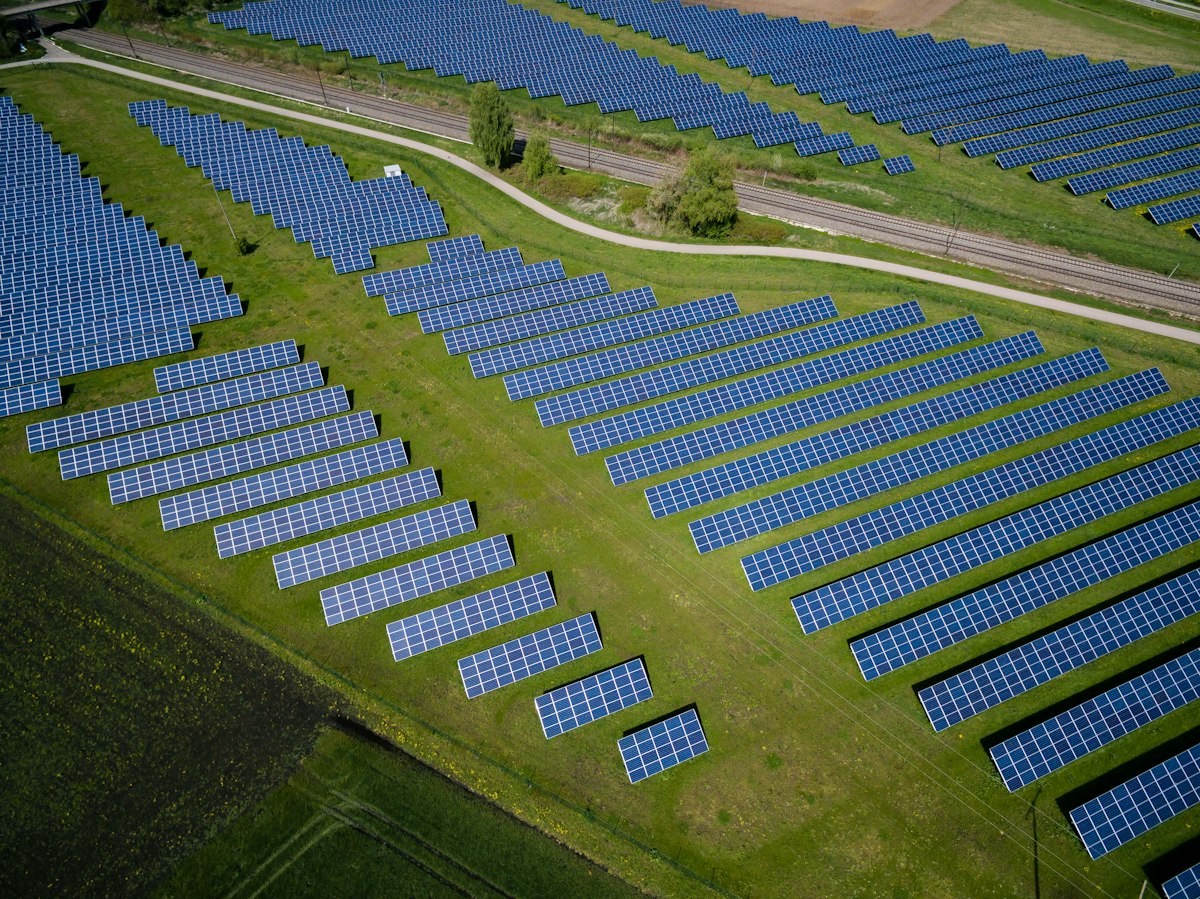
As of August 2026, Texas stands on the cusp of a solar revolution, with projections indicating that the state's solar energy capacity could double by 2028. This booming growth is largely attributable to recent federal incentives aimed at promoting renewable energy adoption.
Texas, already the leading state in wind energy production, is now making significant strides in solar power as well. According to the Solar Energy Industries Association (SEIA), Texas had approximately 28 gigawatts (GW) of solar capacity installed as of mid-2026, a figure expected to soar past 60 GW over the next two years.
This rapid expansion is bolstered by the Inflation Reduction Act, which has introduced substantial tax credits for solar developers and homeowners who wish to install photovoltaic panels. The act offers a 30% tax credit on solar installations, opening the door for more affordable options for both residential and commercial entities.
"We are witnessing an unprecedented surge in solar installations across Texas, and it's a direct result of the supportive federal policies," said John Smith, CEO of Texas Solar Solutions, a leading solar installation firm based in Austin. "The economic landscape has changed dramatically, making solar not just an environmentally sound choice, but a financially viable one as well."
The City of San Antonio has emerged as a focal point for solar energy initiatives. The San Antonio City Council recently approved a $150 million investment in solar projects, which are expected to provide clean energy to over 20,000 homes. This investment aligns with the city’s goals to achieve net-zero emissions by 2050.
In addition to residential projects, large-scale solar farms are also cropping up across the state. Noteworthy among these is the installation of the 1.5 GW solar farm near Odessa, which, when completed in 2027, will be one of the largest in the nation. Such projects are not only creating jobs but also stabilizing local economies.
The economic benefits are manifold. The Texas solar industry is projected to create over 30,000 jobs by 2028, further solidifying the state’s position as a leader in the energy sector. The shift toward solar also complements Texas's existing energy portfolio, which is heavily reliant on fossil fuels.
However, challenges remain. The integration of solar energy into the existing grid infrastructure has raised concerns regarding reliability and energy storage. Industry experts emphasize the importance of investing in battery technology and grid modernization to accommodate the influx of renewable energy.
"We need to ensure that our grid can handle the increased solar capacity without compromising on reliability," noted Emily Rodriguez, Director of Energy Policy at the Texas Public Utility Commission.
As Texas charges forward in its renewable energy journey, the interplay between state policies, federal incentives, and technological advancements will shape the future of solar energy in the Lone Star State. With substantial investments and a strong commitment to sustainability, the future of solar looks bright in Texas.