
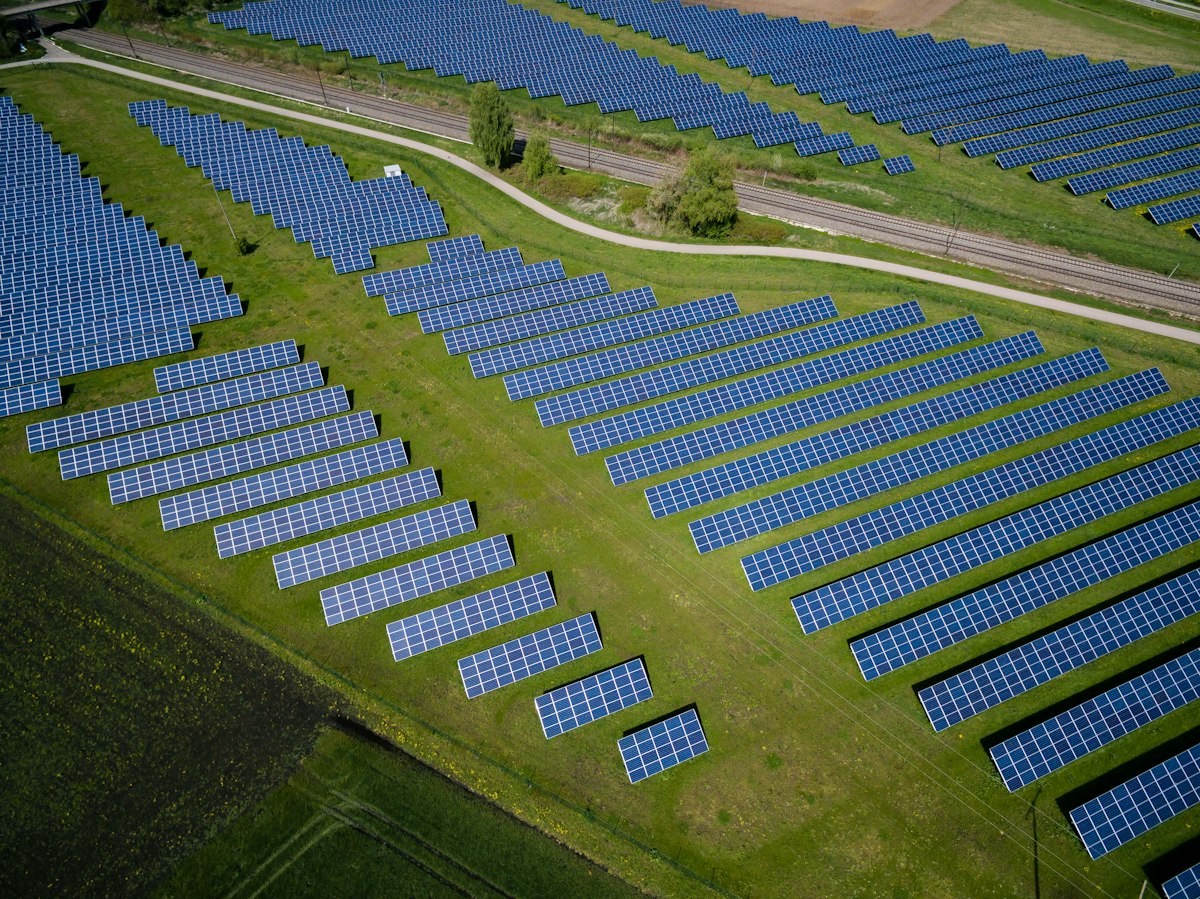
As of July 2026, Texas solar farms have achieved unprecedented capacity, producing over 30% of the state’s energy requirements during peak sunlight hours.
According to the Texas Renewable Energy Association, the state has added more than 12,000 megawatts of solar power over the past year, bringing the cumulative total to over 45,000 megawatts. This remarkable increase not only highlights Texas's commitment to renewable energy but also positions it as a leader in the national solar landscape.
The surge in solar energy can be attributed to the implementation of favorable state policies and significant investments from both public and private sectors. Notably, major players such as NextEra Energy and Enel Green Power have expanded their operations in West Texas, where solar resources are abundant.
“Texas has the potential to become the solar capital of the United States,” stated Greg Hartman, CEO of Texas Solar Solutions. “With the right infrastructure and supportive legislation, we are not just meeting our energy needs; we are creating jobs and driving economic growth.”
The increasing reliance on solar energy also comes in response to the state’s ongoing challenges with energy reliability and climate change. Following the severe winter storm of February 2021, Texas has been actively seeking ways to enhance its grid resilience. Solar energy, along with wind and storage solutions, is seen as a pivotal part of this strategy.
In addition to utility-scale projects, residential solar installations have surged, with a reported 25% increase in homeowners opting for rooftop solar systems. This shift is further encouraged by state incentive programs aimed at reducing upfront costs for consumers.
Despite these advancements, concerns remain regarding the intermittency of solar power and its impact on grid stability. Texas’s grid operator, the Electric Reliability Council of Texas (ERCOT), has issued warnings about potential vulnerabilities during peak summer months, emphasizing the need for a balanced energy portfolio.
Looking forward, analysts predict that Texas will continue to lead the nation in solar energy production, with projections estimating an additional 20,000 megawatts of solar capacity by 2030. This growth trajectory aligns with the Biden administration’s goals to decarbonize the energy sector by 2035.