
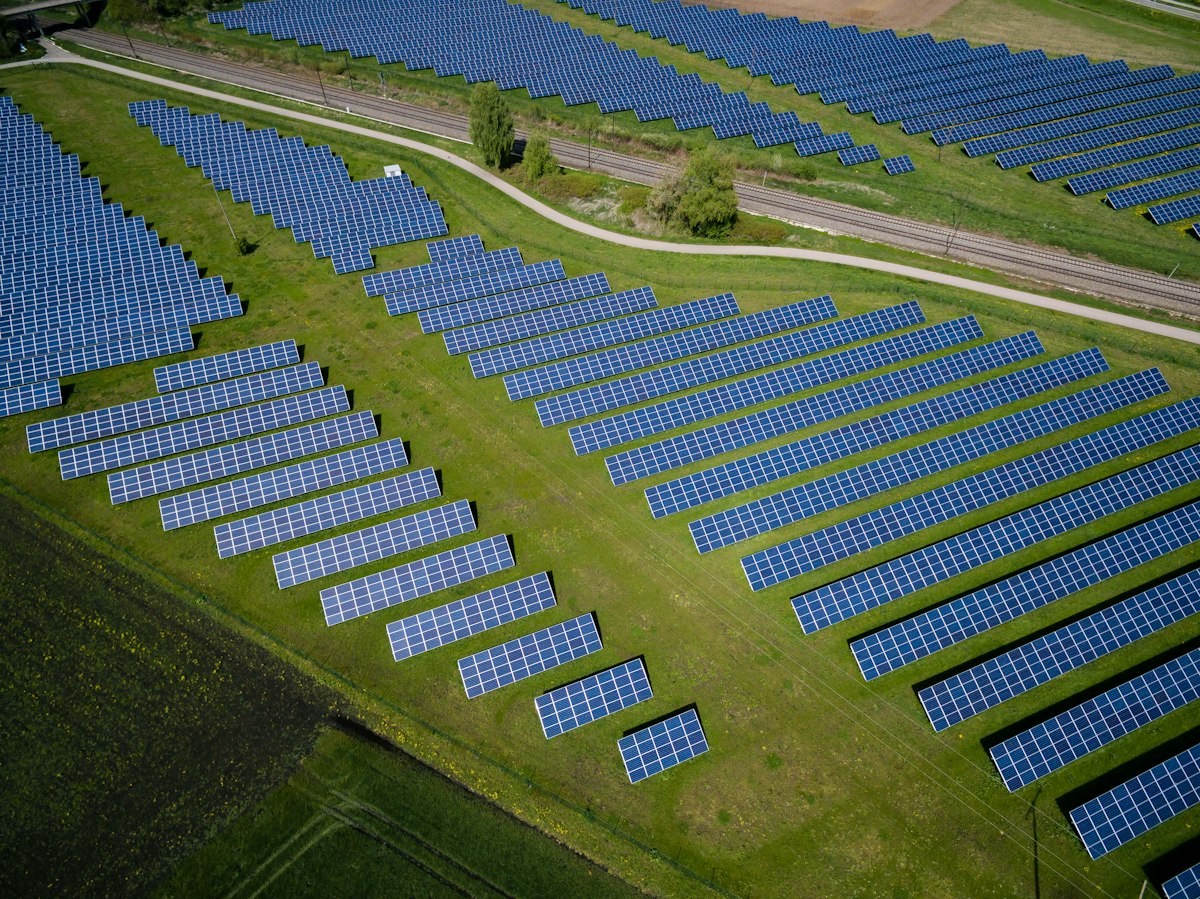
As of July 2026, Texas has solidified its position as the leading state in solar energy production, fueled by significant federal incentives and an increasing demand for renewable energy.
The Lone Star State's solar capacity has reached an impressive 35 gigawatts (GW), a substantial increase from just 20 GW two years ago, according to the Electric Reliability Council of Texas (ERCOT). This growth has been bolstered by the recent extension of the federal solar tax credit, which allows homeowners and businesses to deduct 30% of the installation costs from their federal taxes.
Austin-based SunPower Corp., one of the nation’s largest solar companies, announced plans to expand its operations in Texas, investing $250 million in new manufacturing facilities. “Texas is not just our biggest market; it’s also becoming a manufacturing hub for solar technology,” said Tom Werner, CEO of SunPower. “Our investment reflects our commitment to both the state and the future of renewable energy.”
Local governments are also getting in on the action. The city of Houston has launched a new initiative to install solar panels on public buildings, aiming to power 50% of its municipal operations with solar energy by 2030. Mayor Sylvester Turner stated, “This is not just about sustainability; it’s about job creation and economic growth for our residents.”
Despite these advancements, challenges remain. The Texas Public Utility Commission has warned that without adequate infrastructure improvements, the dramatic rise in solar energy could lead to grid instability. ERCOT is currently working on integrating more battery storage solutions to counterbalance the intermittent nature of solar power.
Energy analysts predict that the state’s solar market will continue to thrive as both residential and commercial investments amplify. “With Texas’ abundant sunlight and favorable policies, the future of solar here looks incredibly bright,” said Lisa Johnson, an energy consultant based in Dallas.