
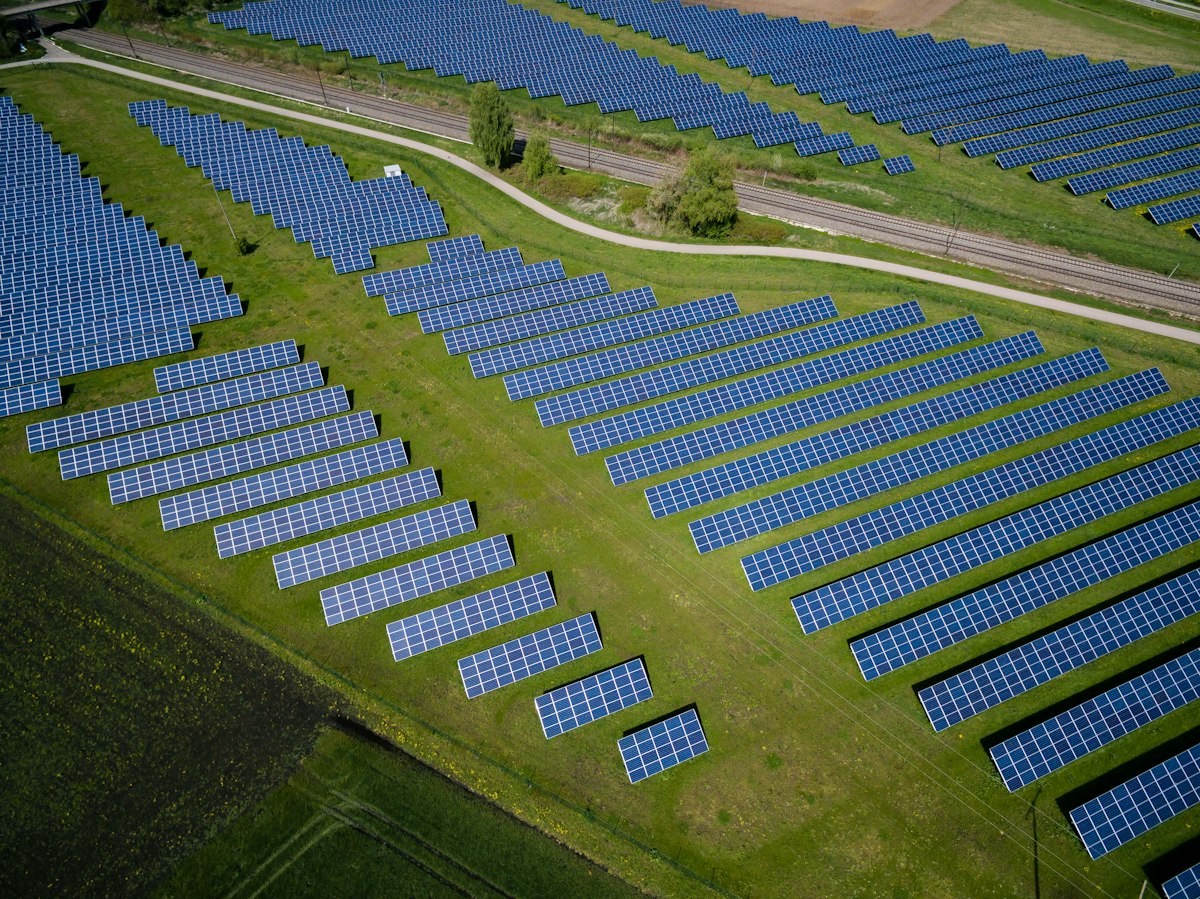
As Texas continues to embrace renewable energy, the state has seen a significant surge in solar power installations, buoyed by recent regulatory changes and increased federal incentives. In 2026 alone, Texas added over 5,000 megawatts (MW) of solar capacity, making it the top state for solar energy growth in the country.
According to the Texas Solar Power Association (TSPA), this growth can be attributed to the Inflation Reduction Act passed by Congress in late 2022, which extended the federal solar investment tax credit to 30% through 2032. This decision has motivated both residential and commercial property owners to invest in solar technology, resulting in a boom for local solar companies.
"There has never been a better time to go solar in Texas," said Melanie Reed, Executive Director of TSPA. "With incentives aligned and technology costs decreasing, we’re seeing unprecedented interest from homeowners and businesses alike." The state’s vast open spaces and high solar irradiance have positioned it as a prime location for solar farms, attracting investments from major players in the renewable energy sector.
As of July 2026, Texas boasts over 30,000 MW of installed solar capacity, a staggering increase from just 5,000 MW a decade ago. This rapid expansion has not only been beneficial for the environment but has also created thousands of jobs across the state. According to the U.S. Bureau of Labor Statistics, the solar industry employed approximately 95,000 Texans in 2025, marking a 20% increase from the previous year.
While solar energy is making headlines, wind energy remains a significant player in Texas’s energy landscape. The state is home to the largest onshore wind farm in the United States, the Whitney Wind Project, which can generate up to 1,500 MW of electricity. As of mid-2026, Texas has installed nearly 38,000 MW of wind capacity, reinforcing its position as the leading state for both wind and solar power.
However, the expansion of solar energy has not come without challenges. Grid reliability remains a concern, especially during peak demand periods. The Electric Reliability Council of Texas (ERCOT) has warned that while the state’s energy mix is diversifying, more investment in grid infrastructure is necessary to support the growing influx of renewable energy sources.
In response, Texas lawmakers have proposed legislation aimed at improving grid resilience, including incentives for battery storage technology. These measures are essential for ensuring a stable energy supply as the state transitions away from fossil fuels. The upcoming legislative session in 2027 is expected to address many of these issues, with a focus on sustainable solutions for Texas’s energy future.
As Texas continues to lead the charge in renewable energy, its cities are also making strides. Austin has launched several initiatives to promote solar adoption, including rebates for solar installations and community solar projects. Houston and Dallas are competing to position themselves as hubs for clean energy innovation, attracting startups and established companies alike.