
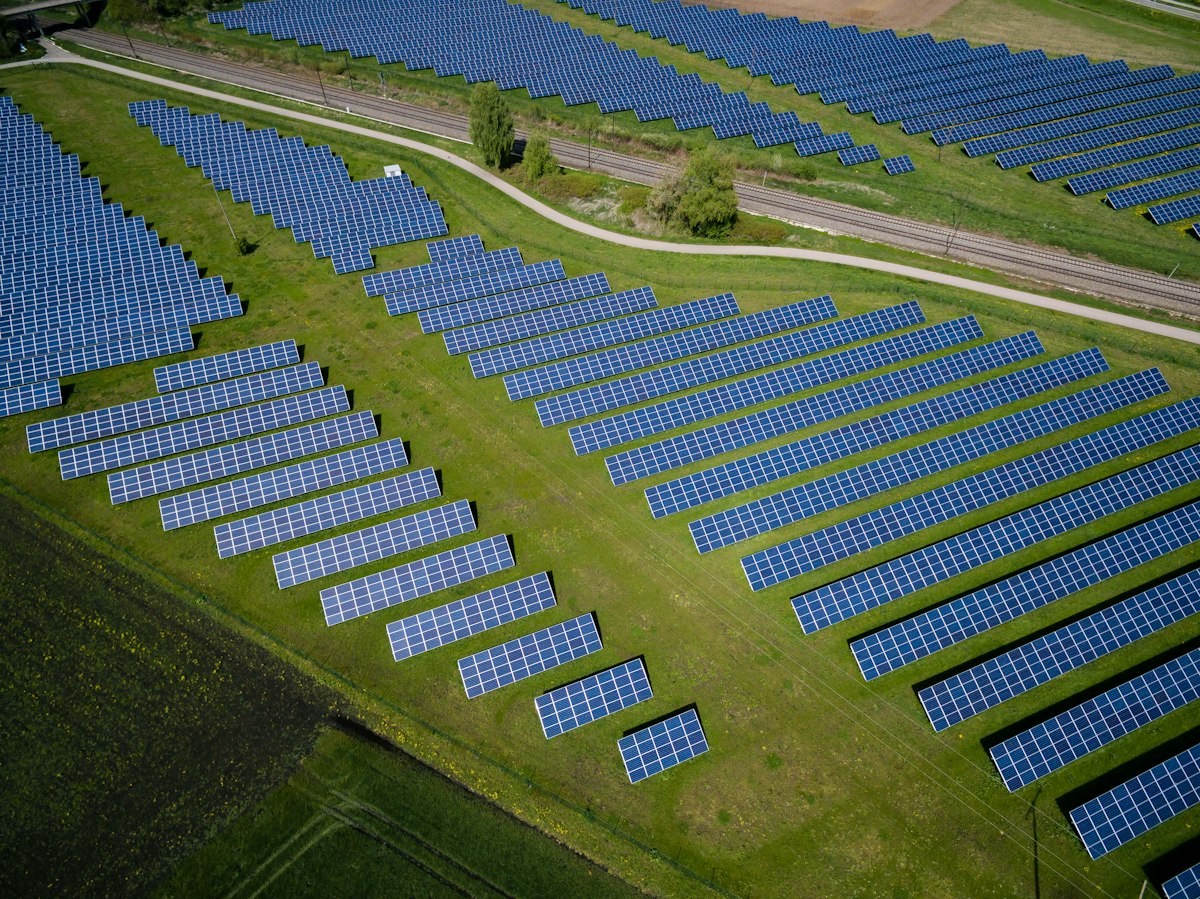
As of August 2026, Texas continues to lead the nation in solar energy capacity, with the state adding over 5,000 megawatts in the last year alone.
The increasing demand for renewable energy sources, driven by corporate sustainability initiatives and legislative support, has prompted significant investments in solar infrastructure. Austin-based SunPower Corporation has reported plans to construct three new solar farms in the Hill Country, projected to generate enough electricity to power over 150,000 homes.
"Texas is at the forefront of the solar revolution in the U.S. and we are committed to enhancing our portfolio to meet growing energy needs," stated Lisa Tran, Vice President of Development at SunPower. The company’s expansion is expected to create approximately 1,200 jobs by the end of 2027.
In addition to private sector moves, state policy is also playing a critical role. The Texas Legislature recently passed a series of tax incentives aimed at boosting renewable energy projects, which experts believe will further accelerate growth.
According to the Electric Reliability Council of Texas (ERCOT), solar energy now accounts for approximately 25% of the state’s energy mix, a significant increase from just 5% five years ago. This rapid growth is outpacing even the most optimistic forecasts, with ERCOT estimating that solar could represent 40% of the energy mix by 2030.
Amidst these advancements, environmental groups have raised concerns regarding land use and the impact on local ecosystems. Texas Land and Wildlife Conservation has voiced the need for sustainable land management practices as solar farms expand into previously untouched areas.
Nevertheless, the momentum in solar development reflects a broader trend of energy diversification within Texas, traditionally known for its oil and gas production. As large corporations such as Amazon and Google commit to 100% renewable energy by 2030, local utility companies are increasingly pressured to meet these ambitious goals.
Looking forward, Texas aims to cement its position as the leading solar state by not only expanding current projects but also innovating in energy storage solutions. The rapid evolution of battery technology is seen as pivotal in addressing the intermittent nature of solar energy, ensuring reliability and stability in the energy grid.