
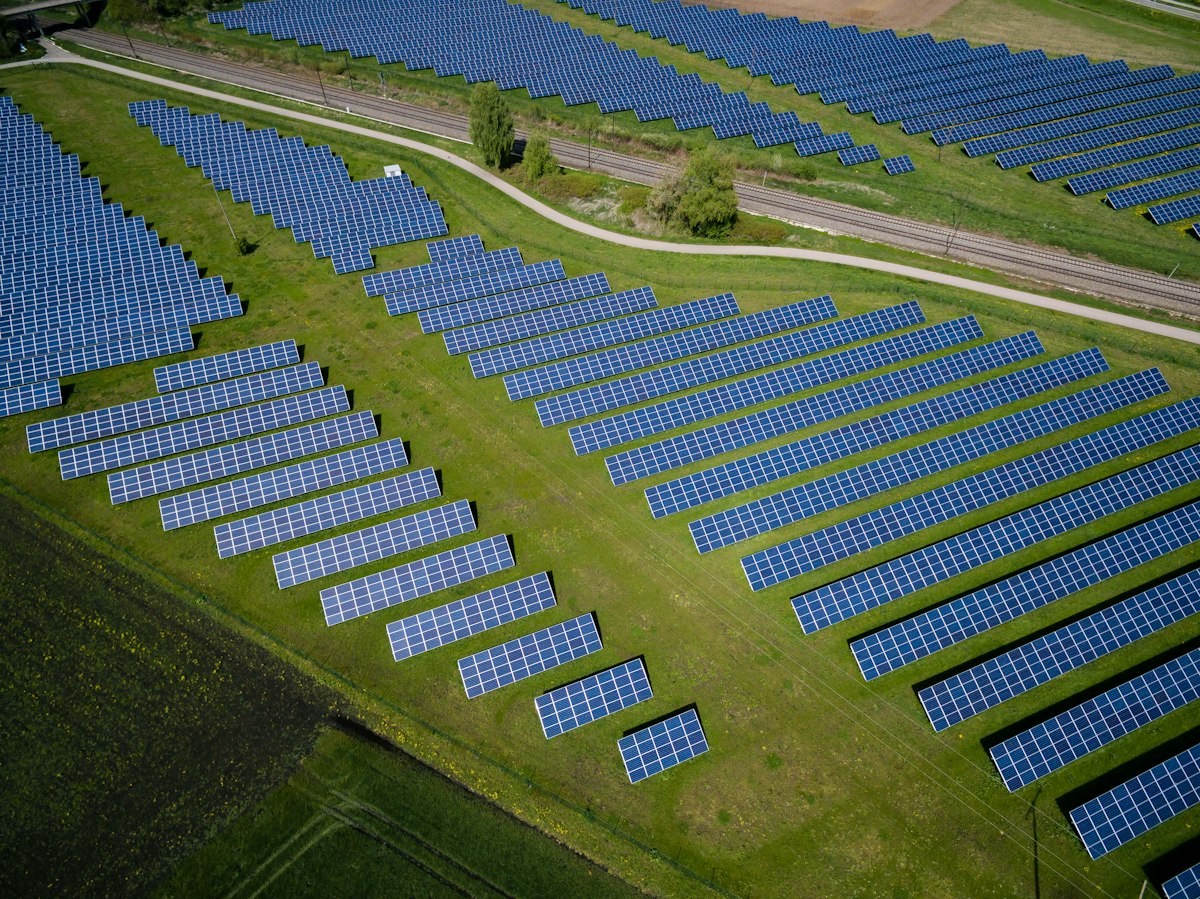
With the temperatures in Texas reaching record highs this summer, the demand for renewable energy has surged, leading to an unprecedented boom in the state’s solar energy sector.
As of August 2026, Texas has installed over 35 gigawatts (GW) of solar capacity, a significant increase from just 10 GW five years ago. This upward trajectory is driven by both corporate investments and the increasing adoption of solar technology by residents.
Austin-based SunPower Corp. recently announced plans to double its solar panel production capacity at its manufacturing facility, a move expected to create over 1,500 jobs in the region. “We are committed to not only meeting the growing demand for solar energy but also supporting local economies through job creation,” said Tom Werner, CEO of SunPower Corp.
In addition, the Texas Public Utility Commission has reported a record 12,000 megawatts (MW) of solar energy generated on a single day in late July, marking a critical milestone for the state. This achievement has been attributed to several large-scale solar farms coming online, including the recently completed Hecate Energy project in Pecos County, which alone adds 500 MW to the grid.
However, this rapid expansion has also raised concerns regarding the electrical grid's capacity to handle the influx of renewable energy. Experts urge that infrastructure improvements are necessary to ensure reliability during peak demand periods, particularly as climate change continues to exacerbate extreme weather conditions.
The surge in solar energy coincides with a broader national trend, as many companies, including tech giants such as Apple and Google, commit to sourcing 100% of their energy from renewable sources. The Texas solar market has become a critical player in fulfilling these corporate sustainability goals.
Looking ahead, stakeholders are optimistic that new policies favoring renewable energy will facilitate further growth. The recent passage of the Texas Renewable Energy Investment Act has incentivized investments in clean energy projects, with an aim to reach 50 GW of solar capacity by 2030.