
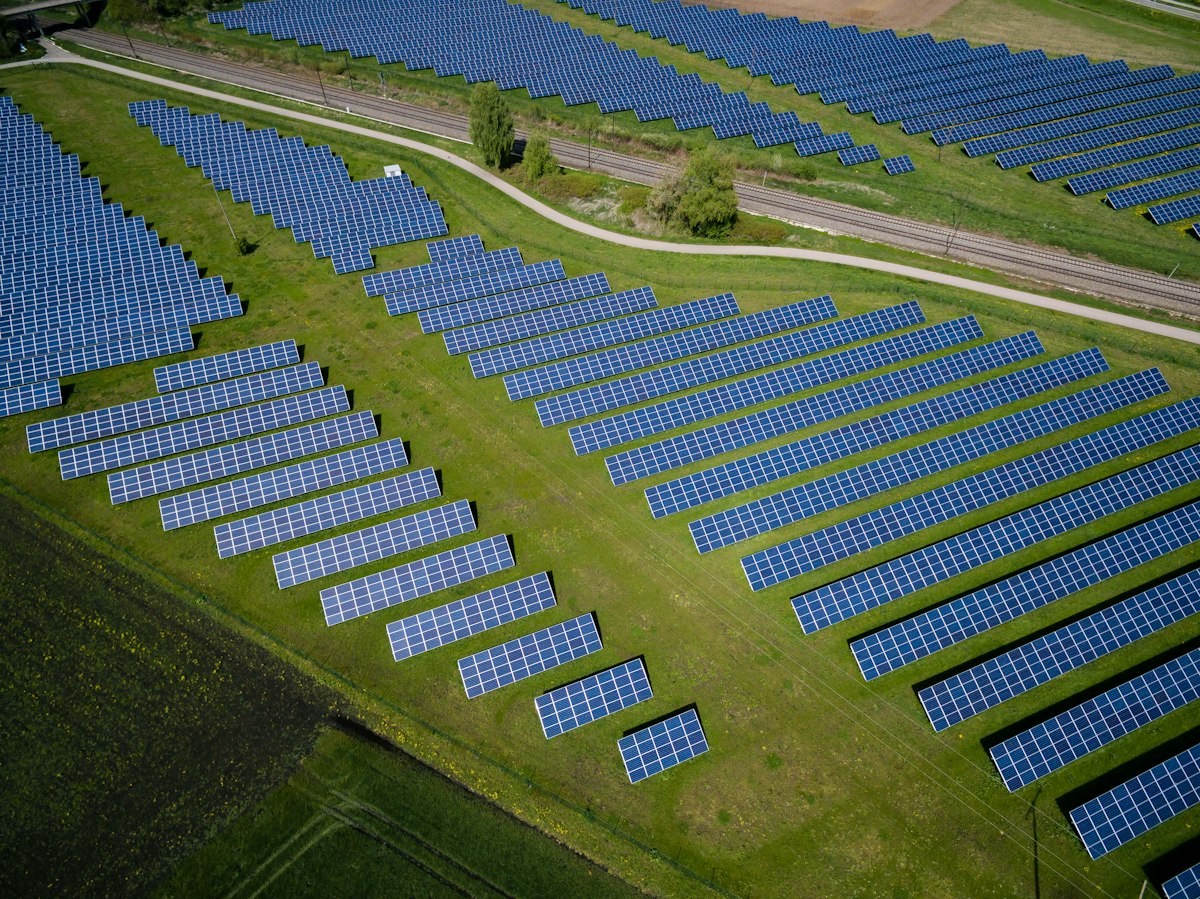
As the demand for renewable energy sources accelerates across the United States, Texas has emerged as a leader in the solar energy sector, showcasing an impressive growth trajectory that is poised to reshape the state's energy landscape.
According to the latest report from the Solar Energy Industries Association (SEIA), Texas installed over 5 gigawatts (GW) of solar capacity in 2025 alone, bringing its total to approximately 30 GW. This remarkable increase positions Texas as the largest solar market in the U.S., a title it has held for the past three consecutive years.
With the state’s abundant sunshine and vast open spaces, developers are taking notice. Companies like NextEra Energy and SunPower have announced plans for new projects, including NextEra's recent investment of $1.2 billion into a solar farm in Pecos County, expected to generate enough electricity to power 200,000 homes.
“Texas is leading the transition to a clean energy economy,” stated Sarah Martinez, the executive director of the Texas Renewable Energy Association. “The growth we are witnessing is a testament to our state's commitment to sustainability and innovation.”
The surge in solar energy comes at a time when the state is facing increased pressure to reduce carbon emissions and invest in sustainable energy solutions. Governor Greg Abbott has pledged to achieve net-zero emissions by 2050, a goal that is prompting utility companies to pivot towards renewable sources.
In addition to environmental benefits, the solar boom is providing significant economic incentives. The Texas solar industry has now created over 60,000 jobs, with projections suggesting this number could double by 2030. The new workforce includes engineers, technicians, and various support staff, providing a boost to local economies across the state.
However, challenges remain. Grid reliability continues to be a concern, particularly following the winter storm of 2021 that exposed vulnerabilities in Texas' energy infrastructure. The state’s grid operator, the Electric Reliability Council of Texas (ERCOT), is actively working on improving grid resilience to incorporate the growing number of renewable sources.
As Texas moves forward, the cooperation between the state government, private investors, and the energy sector will be critical in ensuring that solar energy can meet both current and future demands without compromising reliability. With ambitious plans in place, the Lone Star State is set to become a beacon of renewable energy innovation in the years to come.