
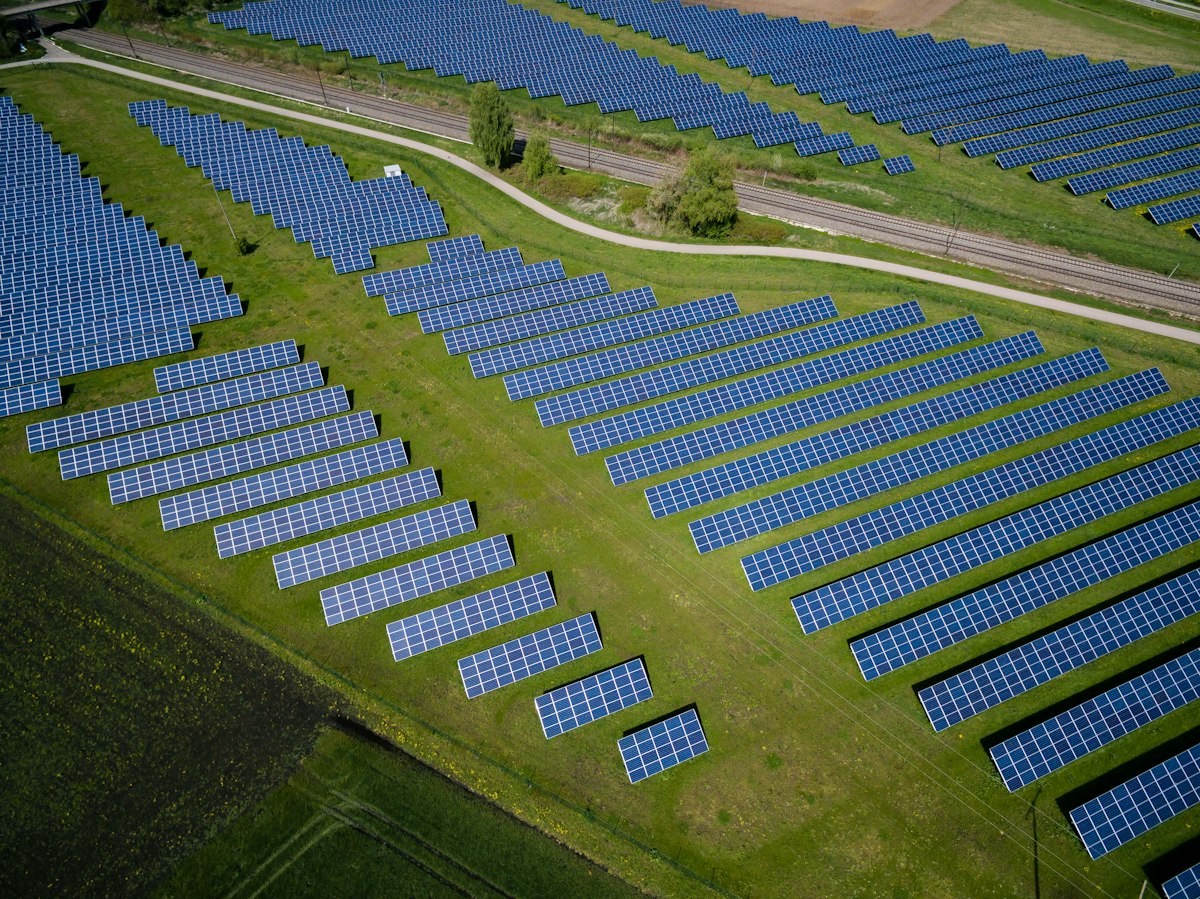
As Texas continues to blaze a trail in the renewable energy sector, the state's solar energy industry has witnessed an unprecedented surge, fueled by recent legislative support and a growing appetite for clean energy solutions.
The Texas Legislature, under the leadership of Governor Greg Abbott, passed a series of bills in early 2026 aimed at reducing regulatory hurdles and incentivizing solar investment. These measures are expected to accelerate solar capacity by 40% over the next two years, translating to an additional 5,000 megawatts of power generation.
Austin-based Solar Innovations, a leading player in the installation and manufacturing of solar panels, reports a significant uptick in demand. CEO Matthew Collins stated, “We are witnessing a historic shift in energy consumption patterns. With the new laws in place, we anticipate our revenues to grow by 30% in 2026 alone.”
This growth comes as Texas seeks to diversify its energy portfolio, traditionally reliant on fossil fuels. According to the Electric Reliability Council of Texas (ERCOT), solar energy now accounts for approximately 25% of the state’s total energy generation, a remarkable increase from just 12% in 2023.
In Houston, the city has implemented new policies to encourage residential solar adoption, offering homeowners rebates of up to $2,500 for solar panel installations. This initiative has resulted in a doubling of installations in the past six months, with over 3,000 new systems now online.
Local energy analyst, Dr. Emily Tran, commented on the implications of this growth, stating, “Texas is not just the leader in oil and gas; we are now setting the standard for solar energy. The combination of favorable legislation and public support is transformative.”
However, challenges remain. The rapid expansion of solar energy infrastructure poses grid stability concerns, especially during peak demand periods in the scorching Texas summers. ERCOT has begun planning for upgrades to the grid to handle the increased solar input, with an estimated investment of $500 million required over the next five years.
As Texas embarks on this solar boom, industry leaders stress the importance of continued bipartisan support and investment in infrastructure. The momentum gained in 2026 could set the stage for Texas to emerge as a global leader in renewable energy, setting a precedent for other states to follow.