
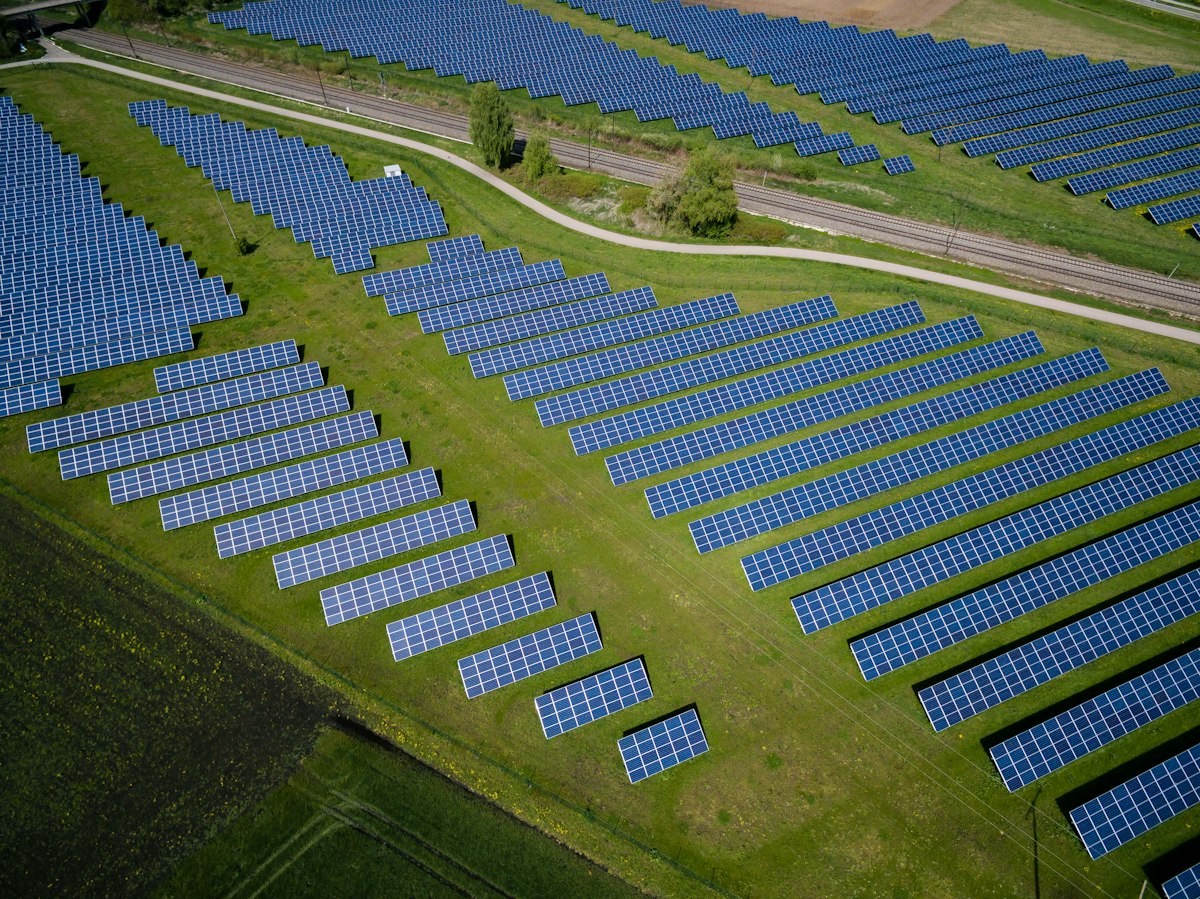
In a significant development for the renewable energy landscape, Texas has seen its solar power capacity soar past 20 gigawatts (GW), driven by recent federal incentives aimed at bolstering clean energy initiatives.
The U.S. Department of Energy announced earlier this year that it would allocate an additional $5 billion to support solar projects nationwide, with Texas set to receive a substantial portion of this funding due to its robust solar infrastructure. As a result, companies like NextEra Energy and Vistra Corp are ramping up their investments in solar farms across the state.
Austin-based SunPower Corporation recently revealed plans to construct a new 1.5 GW solar facility in the Permian Basin, a project that is expected to create over 2,000 jobs during its development phase. “With the federal government’s commitment to renewable energy, we are witnessing a transformative shift in how Texas meets its electricity needs,” said John Smith, CEO of SunPower.
Moreover, the Texas Solar Power Association reports that the state could achieve a staggering 30 GW of solar capacity by 2030, positioning Texas as a leader in the solar market. This growth not only promises economic benefits but also a significant reduction in greenhouse gas emissions, aligning with the state's long-term sustainability goals.
However, challenges remain. The rapid expansion of solar infrastructure must contend with existing grid constraints and regulatory hurdles. ERCOT, Texas's grid operator, has been working on upgrades to accommodate increased renewable energy inputs, which will be crucial as solar generation peaks during the hot summer months.
As Texas continues its march towards a greener energy portfolio, the combination of federal support and private sector investment may redefine the state's energy landscape for decades to come.