
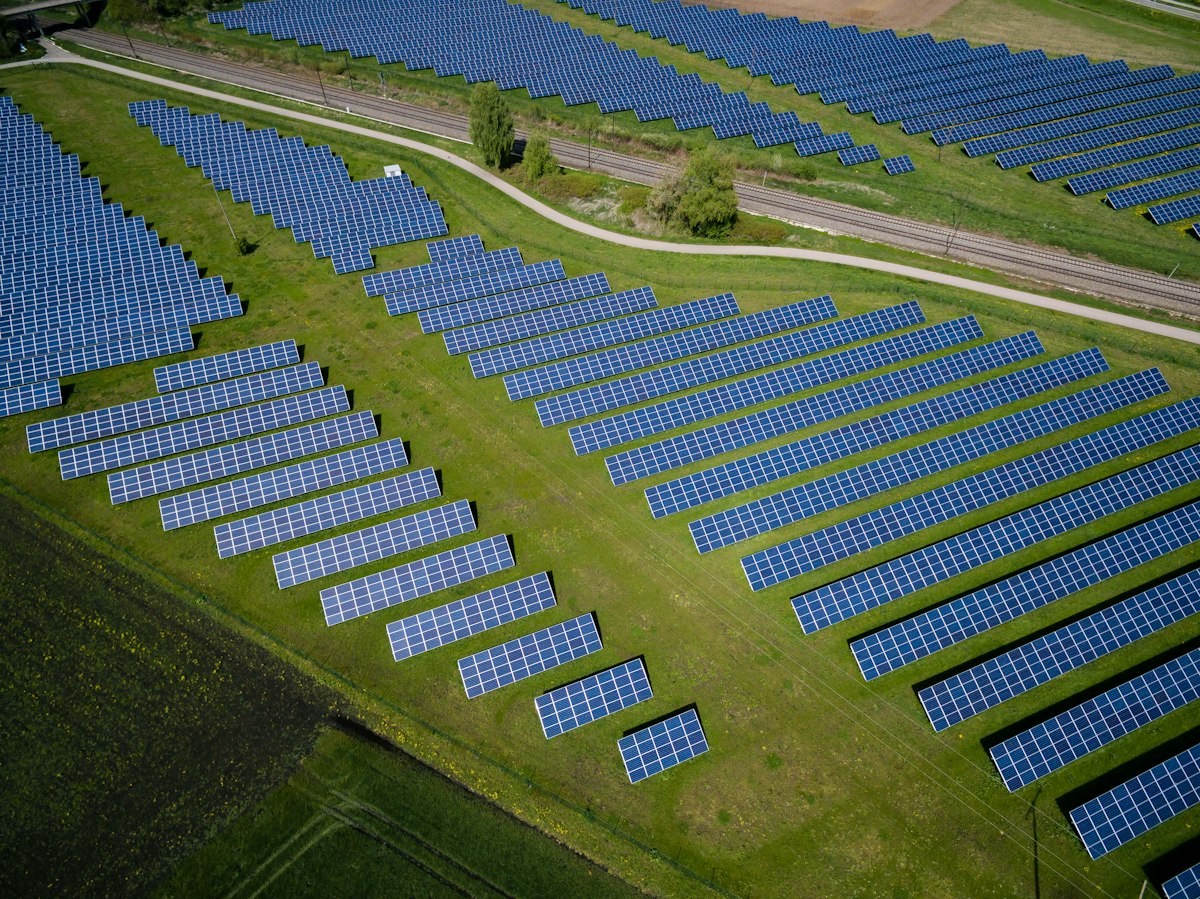
As the sun blazes over the Lone Star State, Texas is witnessing an unprecedented surge in solar energy production, positioning itself as a national leader in renewable energy.
Recent reports indicate that Texas has generated over 27 million megawatt-hours (MWh) of solar energy in the first half of 2026, marking a staggering 45% increase compared to the same period last year, according to the Electric Reliability Council of Texas (ERCOT).
This rise is largely attributed to favorable state policies, a supportive investment climate, and an increasing public interest in sustainability. Industry leaders, including SunPower Corp., have expanded their operations in cities like Austin and , creating jobs and driving economic growth.
“The growth we are seeing is not just about numbers; it’s about transforming the energy landscape of Texas,” said Laura Martinez, CEO of Texas Solar Initiative. “With the increased investment in solar technology, we can reduce our carbon footprint and provide affordable energy to our residents.”
The state’s solar capacity has now reached a remarkable 15 gigawatts (GW), making it the largest solar producer in the United States. Cities like San Antonio are leading the charge, with ambitious plans to power 100% of city operations with renewable energy by 2030.
In addition to large-scale solar farms, residential solar installations have increased by 60% in urban areas, as homeowners seek to mitigate rising electricity costs. With Texas experiencing a significant heatwave this summer, the reliance on solar energy is proving to be both timely and economically beneficial.
Despite the growing pains associated with this rapid expansion, including concerns about grid reliability during peak demand, ERCOT has assured Texans that it is taking the necessary steps to ensure stability. Brad Jones, CEO of ERCOT, stated, “We are committed to integrating more renewable sources into the grid while maintaining reliability and affordability.”
As Texas continues its trajectory towards becoming a renewable energy powerhouse, the implications are significant—not just for the state’s economy, but for the nation as a whole. The Texan solar boom serves as a model for other states, illustrating the potential of renewable resources to reshape energy production.