
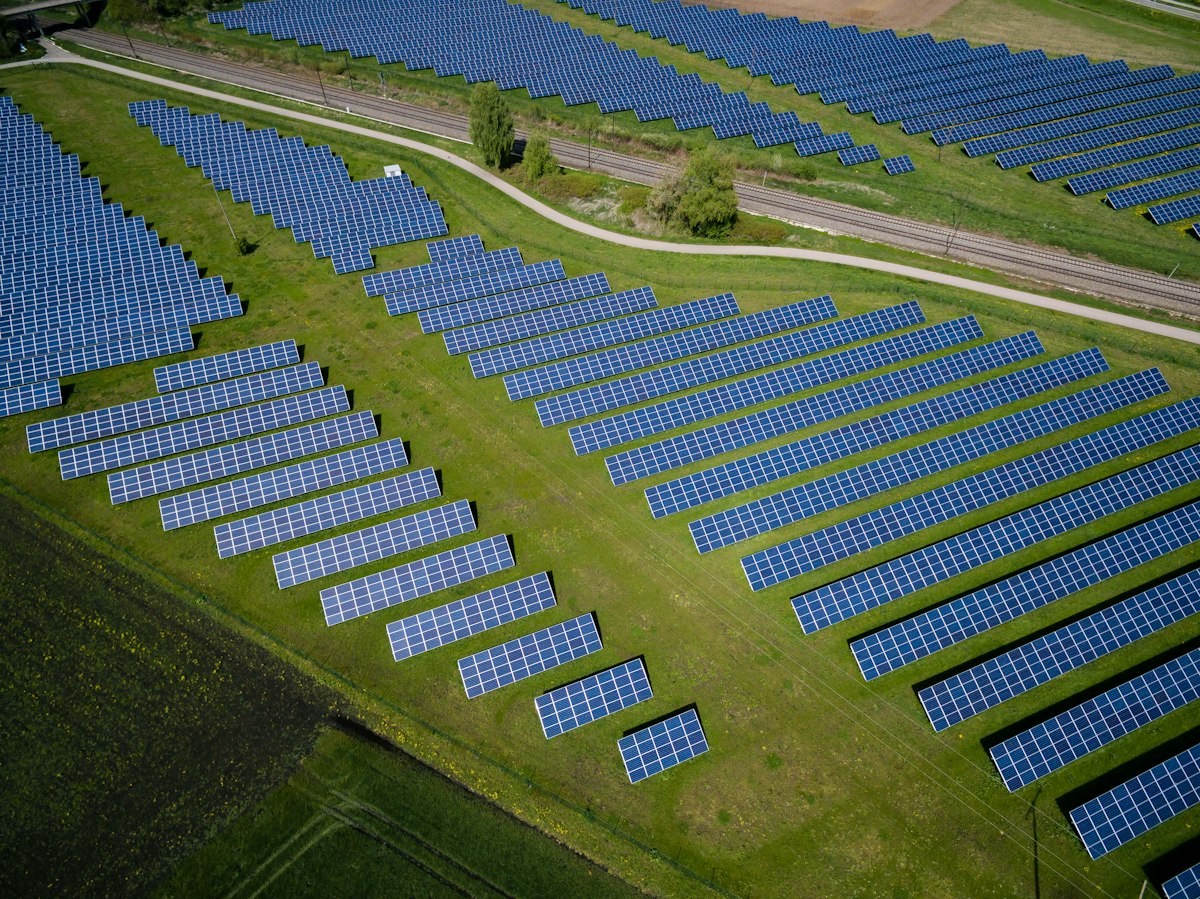
In a significant shift for the renewable energy sector, Texas has seen its solar energy production soar over the past year, surpassing all expectations set forth by industry analysts.
As of July 2026, the state’s solar capacity reached 40 gigawatts (GW), a remarkable increase of 25% from the previous year. This growth is largely attributed to new incentives implemented by the Texas Public Utility Commission, which aims to encourage solar energy adoption among residential and commercial users.
"The progress we’ve made in solar energy is not just a win for the environment but also for the Texas economy," said Dr. Emily Hart, a senior analyst at the Texas Energy Office. "With the right incentives, solar power is quickly becoming a viable alternative to traditional energy sources across the state."
The new policies, which include tax credits for solar panel installations and streamlined permitting processes, have prompted both small businesses and large corporations to invest heavily in solar technology. Companies like Austin-based SunPower Solutions have reported a 150% increase in installations since the policy changes were enacted.
Furthermore, the rise in solar energy has contributed significantly to job creation, with over 30,000 new positions reported in the renewable energy sector within the last year alone. This trend aligns with Texas Governor Greg Abbott's long-term vision of making Texas a leader in renewable energy production.
Electric utilities, including Oncor and CenterPoint Energy, are also adapting to this new landscape. As the demand for solar energy grows, these companies are investing in upgrades to their infrastructure to handle the influx of new solar installations. Oncor has announced plans to spend approximately $500 million over the next three years to enhance grid capabilities, ensuring reliability and efficiency.
Despite the impressive growth, challenges remain. Critics warn that the rapid expansion could lead to grid instability without adequate planning and investment. Experts suggest that Texas must balance its energy portfolio to prevent over-reliance on any one source.
As the state continues to navigate these changes, the future of solar energy in Texas looks bright. The combination of favorable policies, technological advancements, and public support may well position Texas as a model for solar energy production in the United States.