
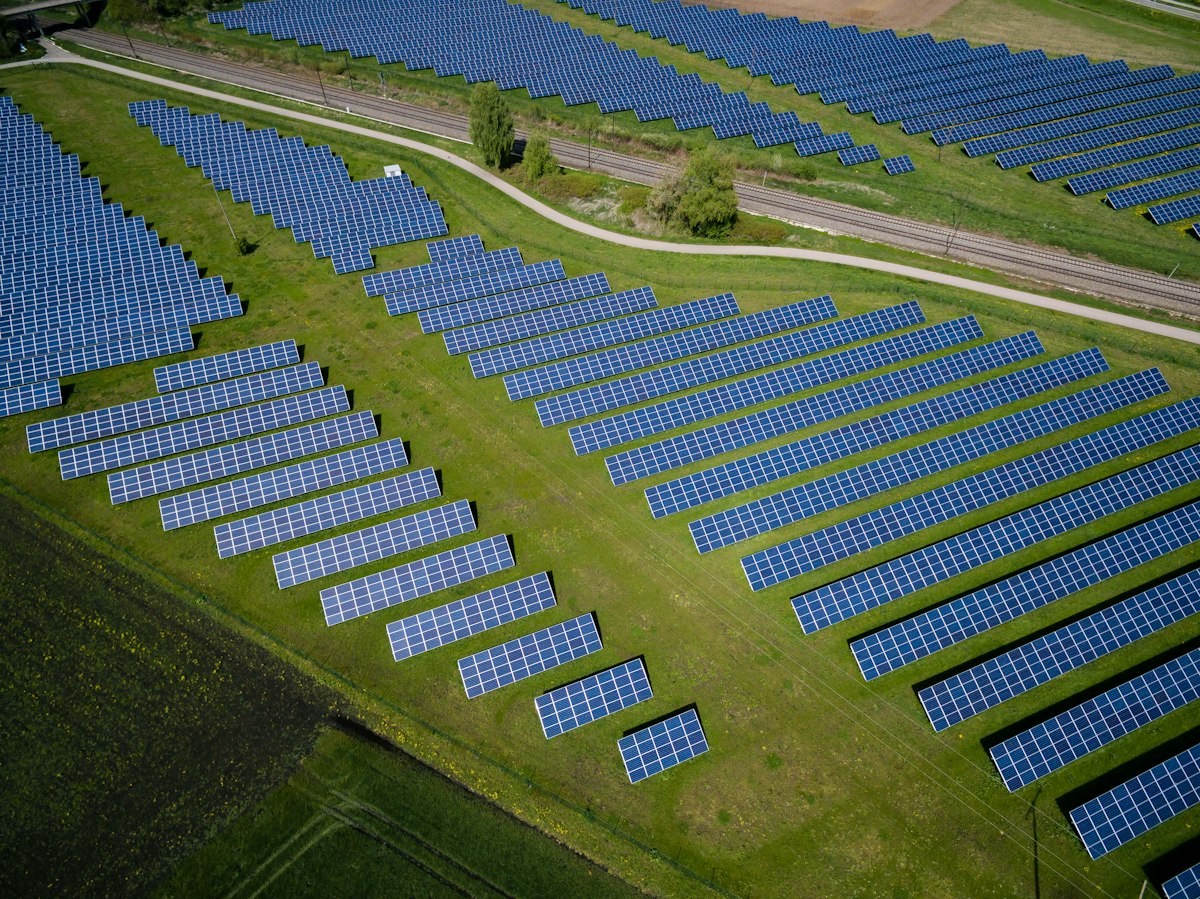
As of July 2026, Texas has solidified its position as a leader in solar energy production, with a remarkable increase in installed capacity driven by new state policies and federal incentives.
The Texas Energy Commission recently reported that the state now boasts over 30 gigawatts (GW) of solar capacity, a notable rise from 18 GW just two years prior. This surge is largely attributed to legislation passed in early 2025, which expanded tax credits for solar installations and streamlined permitting processes for new projects.
“The changes in policy have created a favorable environment for solar investments,” said Dr. Susan Mitchell, Director of Renewable Energy at the Texas Energy Commission. “We are seeing both residential and commercial sectors embrace solar, which is crucial for meeting our renewable energy goals.”
Cities like Austin and San Antonio have emerged as hubs for solar development. Austin Energy, for example, reported a 45% increase in its solar portfolio since the introduction of the updated policies. The utility company is now on track to source 60% of its energy from renewable sources by 2030.
Furthermore, the Texas Solar Energy Association indicated that over 10,000 jobs have been created in the sector, bolstering economic growth in regions traditionally reliant on fossil fuels. The association expects this trend to continue, potentially adding another 15,000 jobs by 2028.
However, challenges remain. The rapid expansion of solar farms has raised concerns about land use and environmental impacts. Local communities have voiced apprehensions regarding the visual and ecological effects of large-scale solar installations.
In response, some developers are exploring innovative solutions, such as dual-use solar farms that incorporate agriculture and grazing alongside solar panels. These initiatives aim to alleviate land use tensions while promoting sustainable practices.
As Texas continues to embrace solar technology, the state’s commitment to renewable energy appears steadfast, reinforcing its role as a national leader in the transition to sustainable energy sources.