
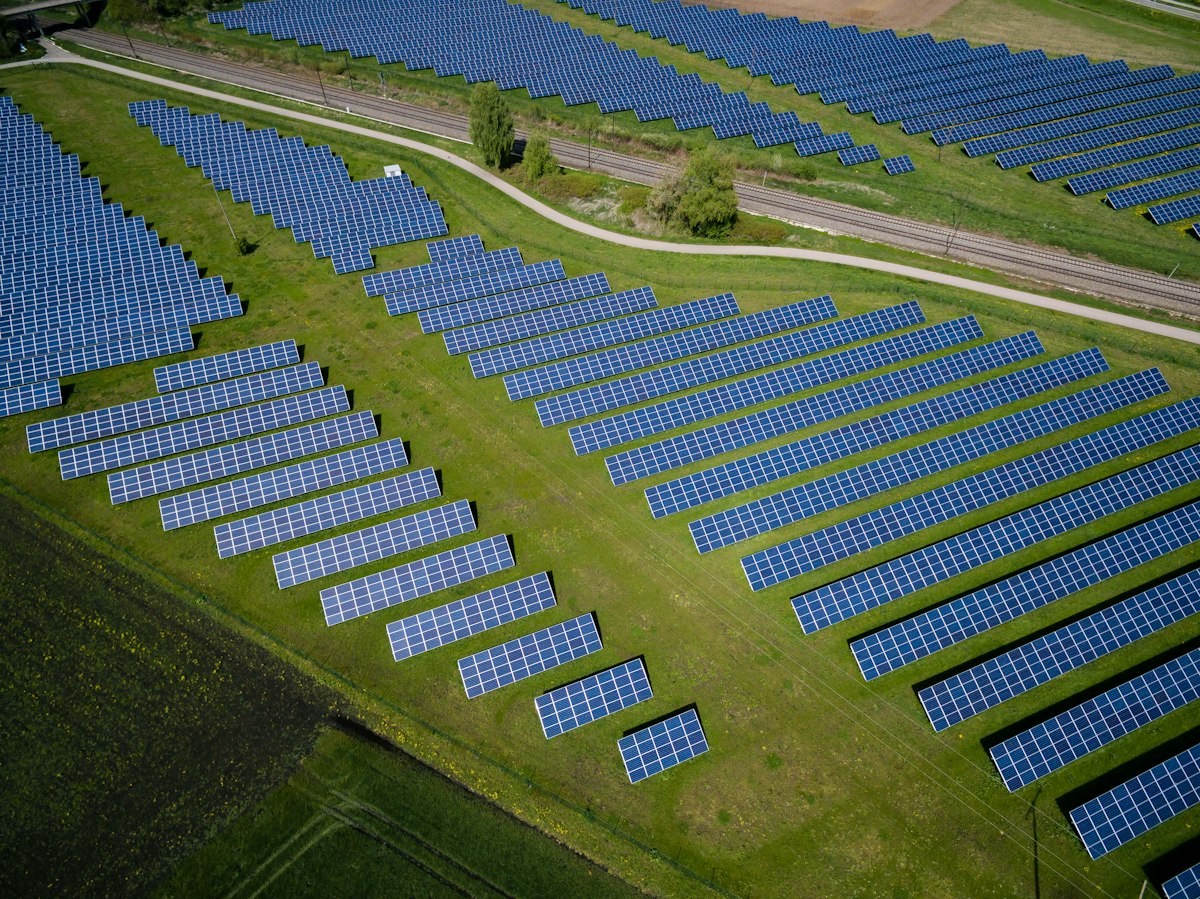
Texas is experiencing a significant uptick in solar energy investments, fueled by a new slate of policies aimed at reducing barriers for solar developers and enhancing grid integration.
As of May 31, 2026, Texas has become a frontrunner in solar energy production, surpassing 30 gigawatts of installed solar capacity, a remarkable increase from just 20 gigawatts two years ago. This growth is largely attributed to legislation passed earlier this year, which provides tax incentives for solar installations and simplifies permitting processes.
The Texas Solar Energy Association (TSEA) has reported that investments in solar infrastructure have reached approximately $5 billion in 2026 alone. The organization’s executive director, Jason McCarty, stated, “This is just the beginning; the new policies have unlocked tremendous potential for our industry. Texas has the capacity to lead the nation in renewable energy production.”
A key aspect of this growth is the collaboration between private solar firms and local governments. Cities like Austin and Dallas are actively participating in initiatives to facilitate solar-friendly zoning laws, thereby making it easier for residential and commercial projects to come online.
The push towards solar is also seen as vital for Texas's strategy to diversify its energy portfolio. The state has historically relied heavily on fossil fuels, with natural gas accounting for about 45% of its energy production. However, as climate change concerns mount and the federal government pushes for cleaner energy sources, local leaders recognize the urgency of transitioning to renewables.
The Texas Public Utility Commission has indicated that it will prioritize solar and wind energy projects as part of its long-term energy plan. The commission's chair, Rebecca Klein, noted, “By prioritizing renewables, we are not only addressing climate change but also ensuring energy security for future generations.”
Industry analysts predict that if the current momentum continues, solar energy could account for as much as 25% of Texas's total energy generation by 2030. This growth trajectory could position Texas as not only a leader in oil and gas but also a powerhouse in renewable energy.
Despite these advancements, challenges remain. Critics argue that the current energy grid is not adequately prepared to handle the rapid influx of solar energy, leading to potential reliability issues during peak usage times. Mark Latham, an energy analyst with the Texas Energy Institute, emphasized, “We must invest in grid infrastructure to avoid bottlenecks and ensure consistent energy delivery.”
Nonetheless, the optimism surrounding solar energy in Texas is palpable. As businesses and consumers increasingly prioritize sustainability, the state is poised to become a leader in the renewable energy sector.