
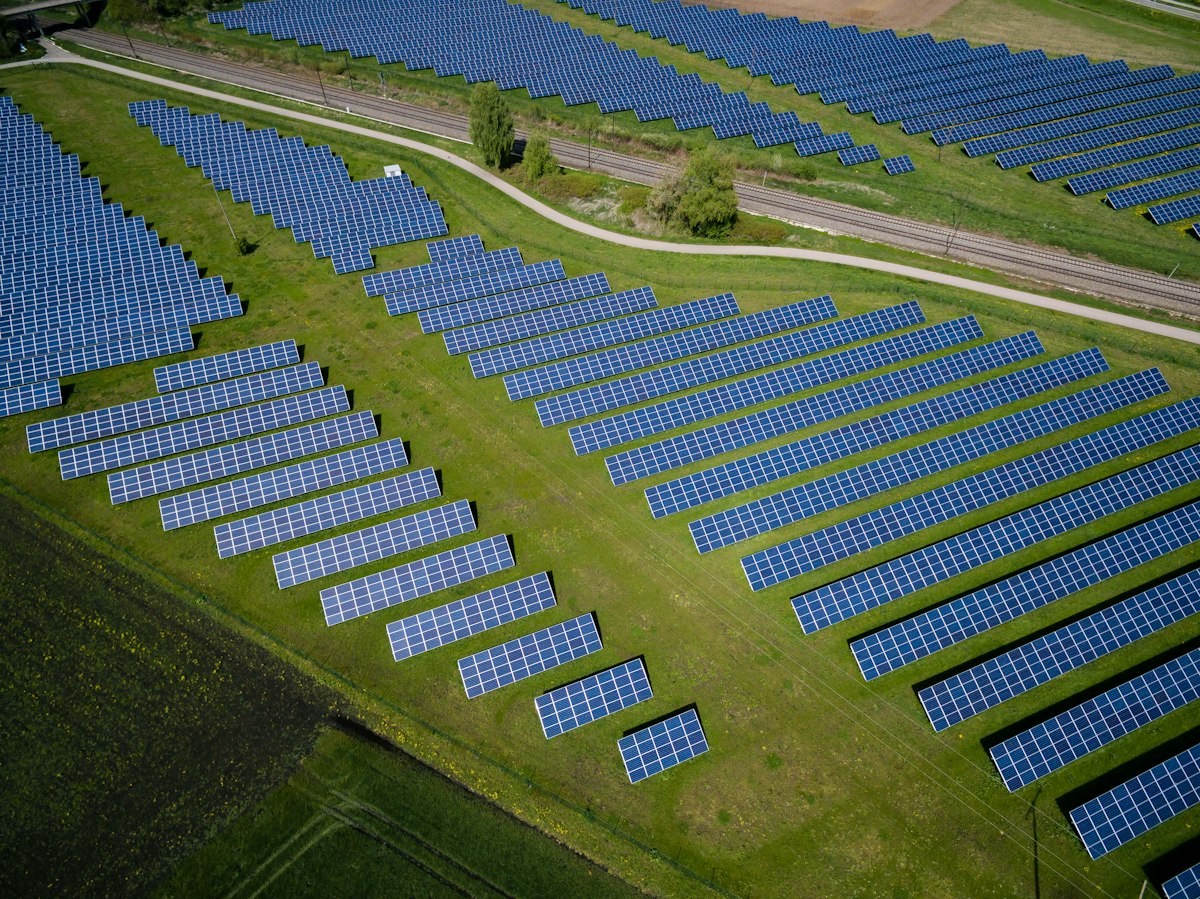
In a significant leap forward for renewable energy, Texas has officially surpassed 30 gigawatts of solar capacity as of August 2026, solidifying its position as the leading solar state in the United States.
The Texas Solar Power Association (TSPA) reported that the state added over 5 gigawatts of solar power in the last year alone, driven by a combination of falling costs for solar technology and increasing demand for clean energy. This remarkable growth comes amidst a backdrop of escalating concerns about climate change and a national push towards greener energy solutions.
“The growth of solar energy in Texas is a testament to our commitment to diversifying our energy sources and reducing carbon emissions,” stated TSPA Executive Director, John Smith. “We are not just meeting the needs of today; we are paving the way for the future.”
The surge in solar capacity is largely attributed to large-scale solar farms opening in regions like West Texas, where vast expanses of land and abundant sunshine have made it an ideal location for solar installations. Notable projects include the recently completed 500-megawatt Sunflower Solar Farm near Abilene and the 1-gigawatt Blue Sky Solar Project in Pecos County, both of which have significantly contributed to the state's solar portfolio.
The Texas grid operator, ERCOT, has noted that solar energy output has become especially critical during peak demand periods, which tend to occur in the summer months. In July 2026, solar generation accounted for nearly 35% of all the energy produced in the state on several days, demonstrating its growing importance in the state's energy mix.
Despite the impressive growth, challenges remain. Critics point to potential grid reliability issues as more intermittent renewable sources come online. “In the absence of a solid energy storage solution, we face the risk of over-reliance on solar during peak generation times,” cautioned energy analyst, Lisa Rogers.
Nevertheless, the Texas solar market is energized by favorable policies and incentives that encourage investment. The recently extended federal solar investment tax credit (ITC) is expected to further stimulate the market, allowing developers to recover 30% of their investment costs through tax credits.
As Texas continues to navigate its energy transition, stakeholders from private developers to public officials emphasize the importance of balancing growth with sustainability. The future of solar energy in the state appears bright, but it will require ongoing investment and innovation to ensure a reliable energy grid for all Texans.