
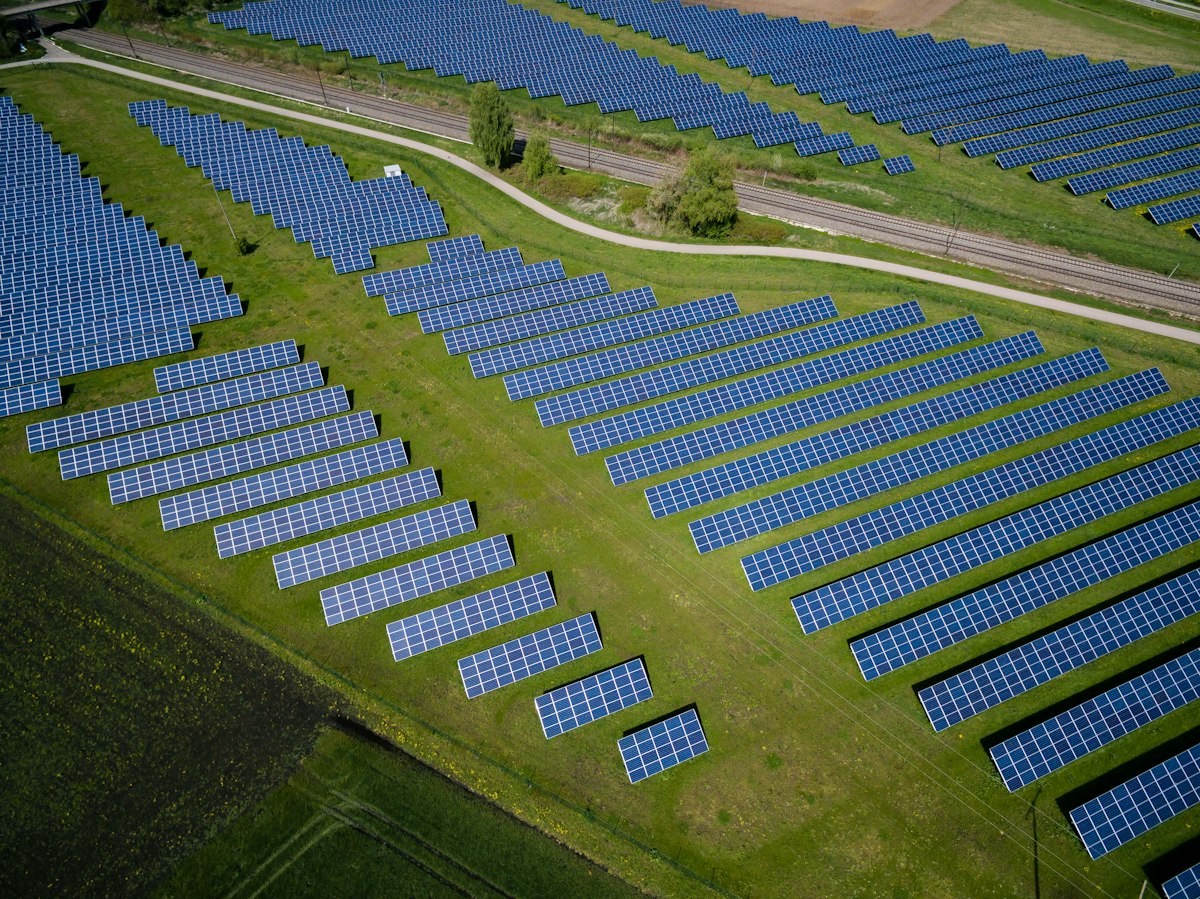
As Texas continues to battle extreme weather conditions and rising energy demands, solar energy capacity has surged to new heights, positioning the state as a leader in renewable energy production.
According to the Texas Energy Reliability Council, the state's solar output has increased by over 30% in just the last year, bringing total capacity to an impressive 35 GW. This growth marks Texas as the largest solar producer in the United States, significantly outpacing California.
In cities like Austin, where the local government has implemented aggressive sustainability initiatives, solar installations have doubled. The city’s Office of Sustainability reported that over 150,000 households have adopted solar energy systems, leading to an estimated reduction of 200,000 tons of carbon emissions annually.
“The pace of solar adoption in Texas is nothing short of remarkable,” said Danielle Martinez, a spokesperson for the Texas Solar Energy Association. “We are seeing a shift not just in the market but also in consumer awareness and policy support.”
One reason for the rapid expansion is the declining cost of solar technology, which has dropped by nearly 70% since 2010. Additionally, federal tax incentives and state-level programs have made solar installations more accessible to both residential and commercial consumers.
Texas Governor Greg Abbott recently announced a new policy aimed at promoting solar energy investments. “We are committed to fostering an environment that not only supports traditional energy sectors but also embraces renewable innovations,” Abbott stated during a press conference in Dallas.
However, challenges remain. The state’s grid system, managed by the Electric Reliability Council of Texas (ERCOT), continues to face scrutiny following the 2021 winter storm, which exposed vulnerabilities in the grid. Experts warn that while solar energy can contribute significantly to Texas’s energy mix, infrastructure upgrades are necessary to ensure reliability, particularly during peak demand periods.
As demand continues to rise, with forecasts showing a 20% increase in energy needs by 2030, stakeholders are calling for enhanced investment in energy storage solutions and grid modernization. The combination of solar and battery storage technologies could help mitigate the risks associated with extreme weather and fluctuating energy prices.
Texas's thriving solar industry not only benefits the environment but also boosts the local economy. The Solar Foundation’s latest report indicated that the state has added approximately 10,000 jobs in the solar sector over the past year, contributing to a growing workforce that is increasingly skilled in renewable technologies.
In response to this evolving energy landscape, companies like NextEra Energy and First Solar are ramping up their investments in Texas, eyeing opportunities to expand their operations. With the potential for additional federal clean energy incentives on the horizon, the momentum is likely to continue in the coming years.
As Texas moves forward, the integration of solar energy into the broader energy framework will be critical. Industry leaders emphasize the importance of collaboration between private companies and public entities to ensure a stable, sustainable energy future for the state.