
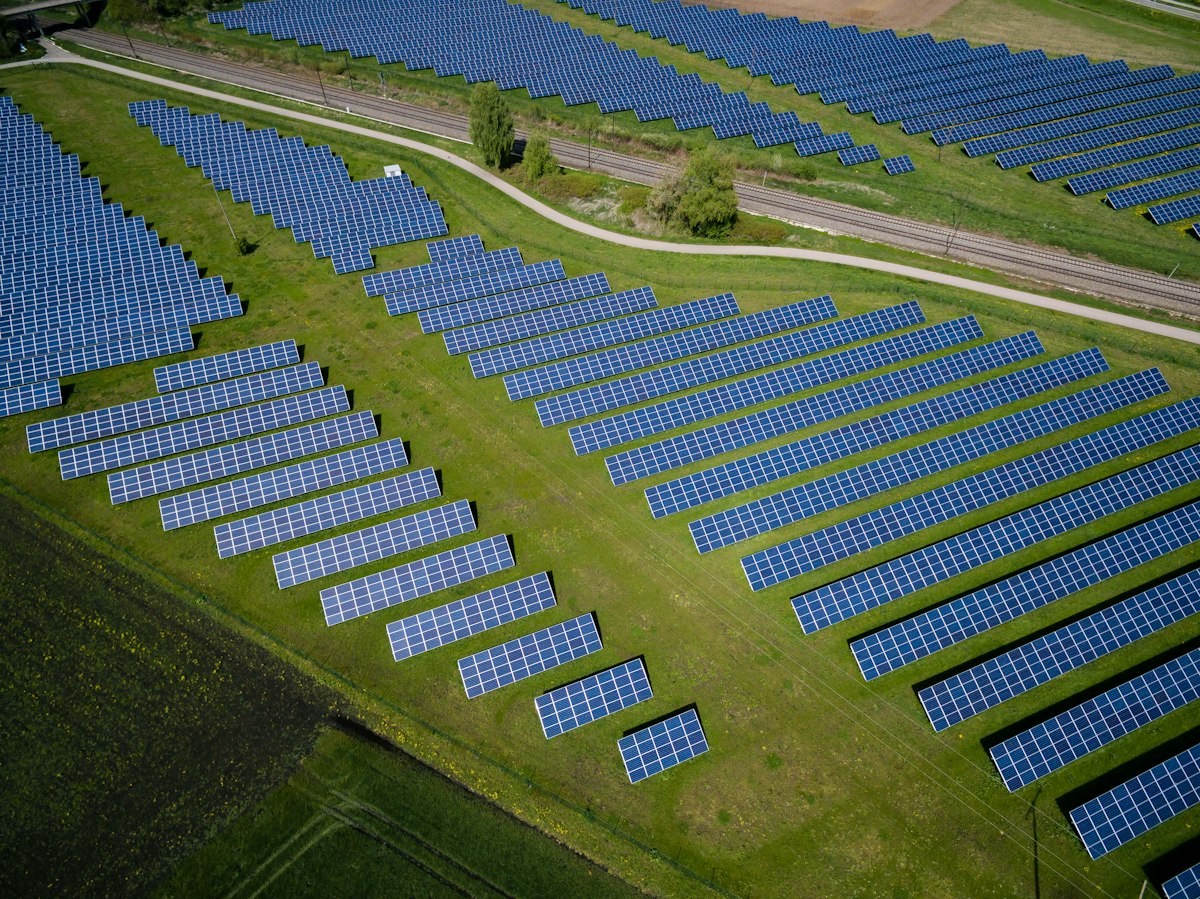
As Texas emerges from a record-setting heatwave, the state has simultaneously set new benchmarks in solar energy capacity, positioning itself as a leader in renewable energy development.
Recent data from the Electric Reliability Council of Texas (ERCOT) indicates that solar energy generation reached a remarkable 35% of the state's total electricity production on several days in late June 2026. This surge can be attributed to the increasing installation of solar farms across the state, which have seen a cumulative capacity rise of 40% since the beginning of 2025.
In Austin, the Texas Legislature enacted new incentives last month, including tax credits for solar panel installations, aimed at both residential and commercial sectors. According to State Representative Sarah Gonzalez, a key advocate for the legislation, "This is a pivotal moment for Texas. We are harnessing our abundant sunlight to power our homes and businesses while creating jobs and reducing our carbon footprint."
The latest projections from the Texas Solar Power Association (TSPA) suggest that the state could exceed 20 gigawatts of installed solar capacity by the end of 2026. This would make Texas the first state in the U.S. to achieve such a milestone, further solidifying its role as a powerhouse in the renewable energy sector.
Major energy companies, such as NextEra Energy and Enel Green Power, are investing billions of dollars in expanding their solar operations in regions like West Texas and the Panhandle, where sunlight exposure is optimal. NextEra, for instance, recently broke ground on a new 1,500-megawatt solar facility near Lubbock, projected to begin operations by mid-2027.
While the solar push is welcomed, critics argue that the rapid expansion raises concerns about grid reliability and infrastructure. "We need to ensure that our grids can handle this influx of renewable energy without compromising reliability," warned Dr. Robert Miller, an energy analyst at Texas A&M University. "The balance between traditional and renewable sources will be crucial in the coming years."
As Texas continues to diversify its energy portfolio, the integration of solar power is expected to play a significant role in meeting the state's growing energy demands, particularly during peak summer months. Furthermore, the strong public-private partnerships developing in this sector signal a shift towards a more sustainable energy future.