
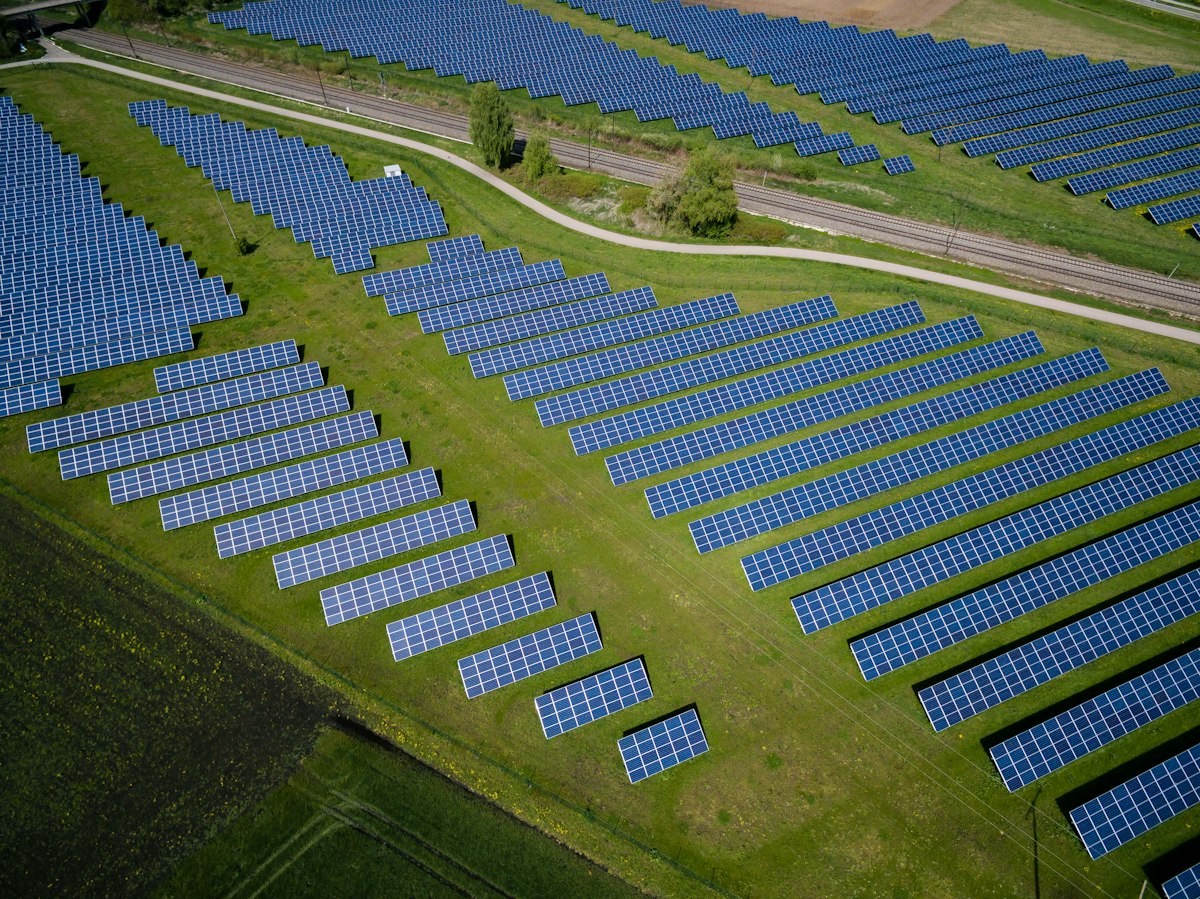
As Texas continues to harness its natural resources, the solar energy sector is experiencing unprecedented growth, fueled by recent regulatory changes and technological advancements.
In the past year, Texas has added over 8,000 megawatts of solar capacity, bringing its total installed solar power to approximately 30,000 megawatts. This substantial increase has positioned the state as a national leader in solar energy production.
The state’s Public Utility Commission (PUC) recently implemented a new incentive program designed to encourage solar installations. This initiative includes a $500 million fund aimed at subsidizing solar projects, particularly in underserved communities. According to PUC Chairwoman DeAnn Walker, “This program not only helps reduce energy costs for consumers but also promotes sustainability and job creation in Texas.”
Major players in the solar industry, such as NextEra Energy and Brookfield Renewable Partners, have ramped up investments in Texas. NextEra’s recent announcement of a $1 billion solar farm in the outskirts of San Antonio is expected to generate 1,500 megawatts and create thousands of jobs.
Local governments are also getting in on the action. The city of Austin has pledged to become carbon neutral by 2030, and solar power is a critical component of that strategy. Austin Energy, the city’s electric utility, reported that it aims to double its solar capacity in the next three years.
Despite this positive momentum, challenges remain. The Texas grid, managed by the Electric Reliability Council of Texas (ERCOT), has faced criticism over its reliability, particularly following the winter storm of February 2021. “While we are making significant strides in renewable energy, we must not overlook the importance of grid stability,” said Bill Magness, CEO of ERCOT.
As the solar industry in Texas continues to flourish, experts suggest that increased federal support could further amplify growth. The recent passage of the Inflation Reduction Act is anticipated to provide tax credits and incentives for renewable energy projects nationwide.
In conclusion, Texas is on a trajectory to become the nation’s leading solar power state, driven by supportive policies and significant investments. As stakeholders across the energy landscape collaborate to enhance the grid's reliability, the solar boom is likely to continue reshaping the Texas energy market.