
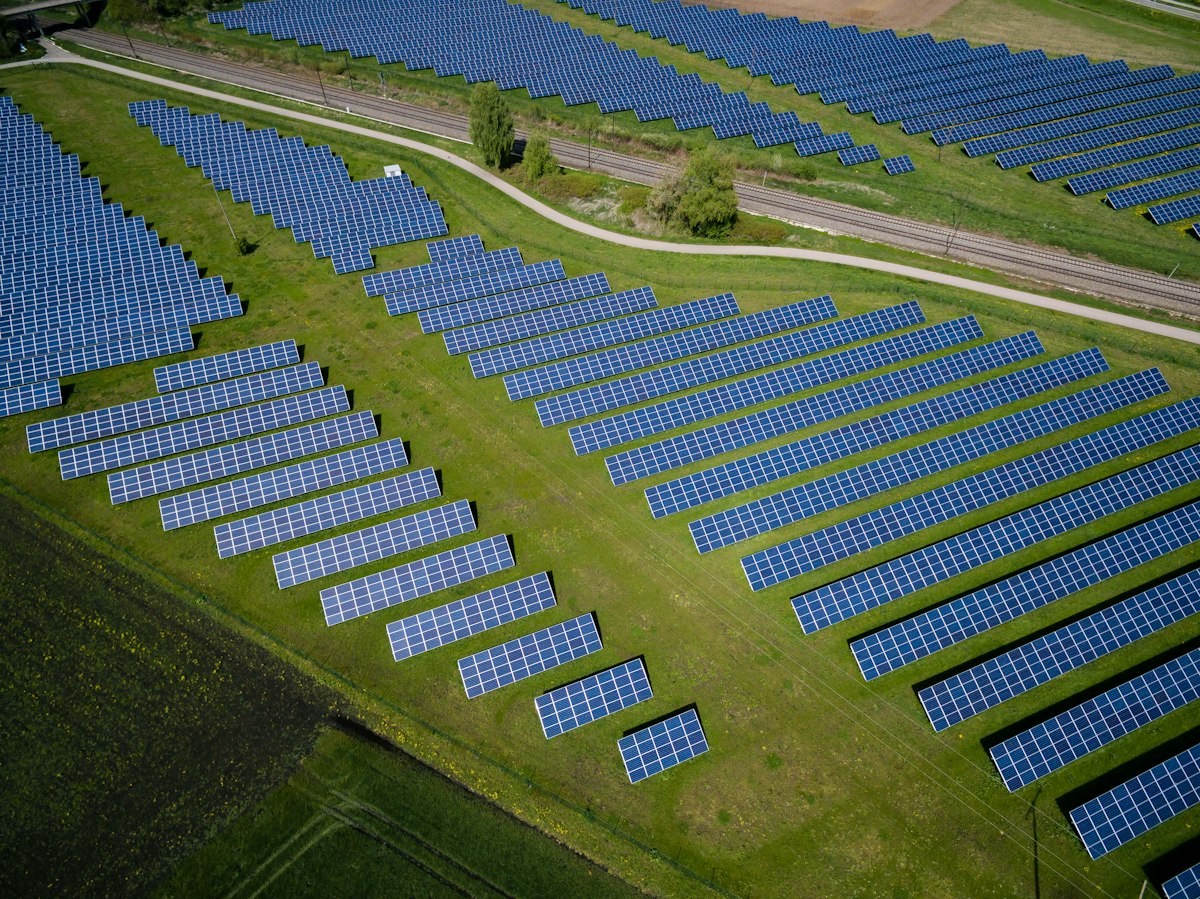
In the wake of enhanced federal incentives, Texas solar companies are experiencing a remarkable surge in installations, reflecting a 40% growth over the past year.
As of July 2026, the Lone Star State has installed over 10 gigawatts (GW) of solar capacity, making it the leading state in the U.S. for solar energy production. This rapid expansion can be largely attributed to the Inflation Reduction Act of 2022, which extended the federal solar investment tax credit (ITC) to 30%.
Many Texas cities are embracing renewable energy more than ever. Austin, Houston, and Dallas are at the forefront of this solar boom. Austin Energy, for instance, has increased its renewable energy portfolio to 60%, driven by a combination of local initiatives and federal support.
"The federal incentives have completely transformed our industry," said Julie Gonzalez, CEO of SunPower Texas. "We are seeing not just large utility-scale projects but also residential installations climbing to new heights." Her company alone has seen a 50% increase in residential solar panel installations in 2026 compared to the previous year.
The impact of these installations extends beyond renewable energy production. Job creation has skyrocketed, with some estimates indicating that Texas added over 20,000 jobs in the solar sector in the last year. According to the Solar Energy Industries Association (SEIA), Texas now employs more solar workers than any other state in the nation.
However, the rapid expansion does come with challenges. Grid reliability is a significant concern as more intermittent energy sources, such as solar, enter the market. The Electric Reliability Council of Texas (ERCOT) has been actively working to integrate these renewable resources while ensuring that energy demand is met.
"We are committed to maintaining grid reliability amid this growth," said ERCOT spokesperson Mark Green. "Our grid has proven resilient, but we must continue to invest in infrastructure to handle these new challenges."
Despite potential challenges, the momentum toward solar energy in Texas appears unstoppable. Local governments and utilities are also collaborating to enhance battery storage technology, which could help smooth out the energy supply and demand fluctuations associated with solar energy generation.