
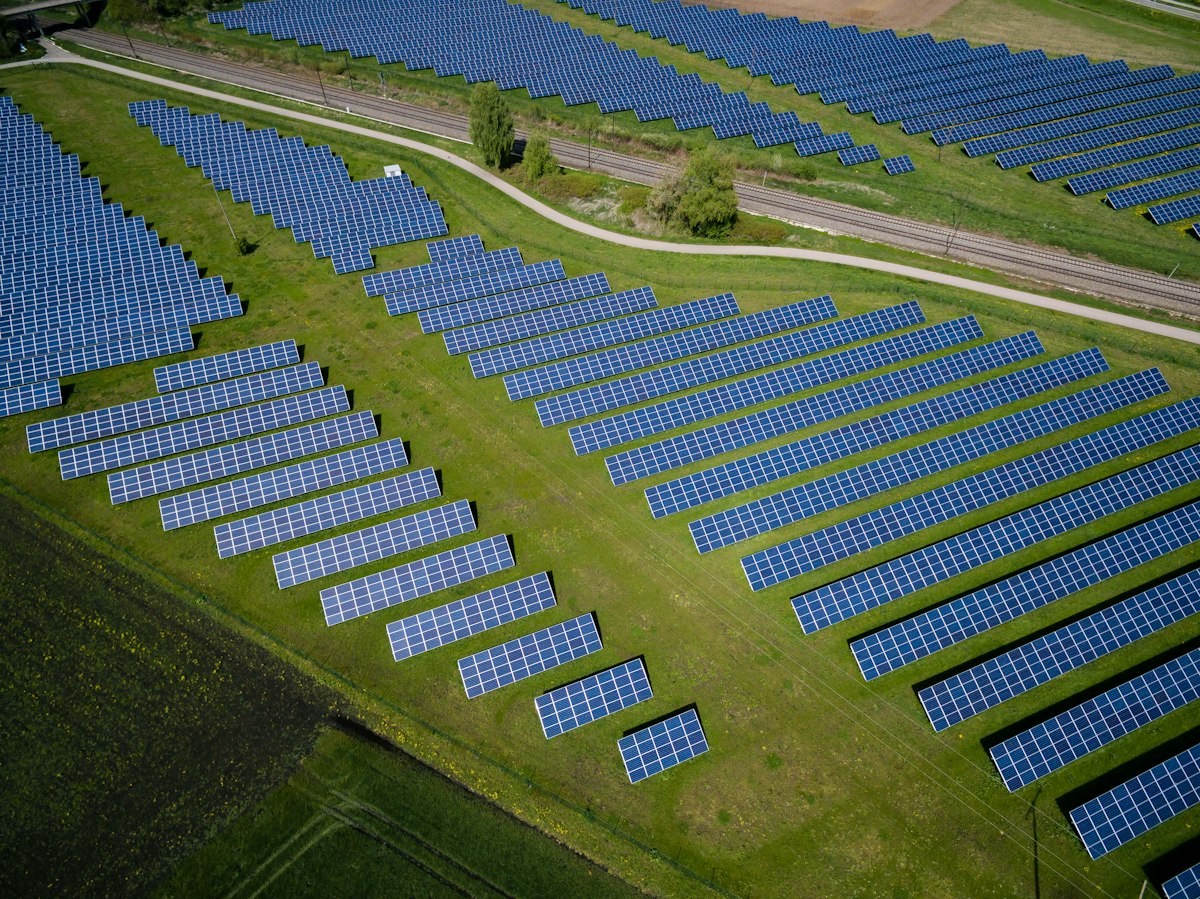
As Texas continues its transformation into a renewable energy powerhouse, the state's solar capacity has surged by over 25% in the past year, reflecting a dramatic shift in energy consumption patterns.
According to the Texas Solar Power Association (TSPA), the state's total installed solar capacity hit a record 30 gigawatts (GW) in July 2026, marking a significant increase from 24 GW just one year prior. This leap has positioned Texas as the leading state in solar energy generation, surpassing California and Florida, which have traditionally dominated the sector.
With residential and commercial solar installations skyrocketing, Austin Energy reported a 40% increase in solar applications over the last year. The utility has attributed this growth to various factors, including state incentives, declining costs of solar technology, and a growing public demand for sustainable energy solutions.
"Texans are increasingly aware of their energy choices and are seeking green alternatives," said TSPA Executive Director, Sarah Hargrove. "With favorable policies and the falling prices of solar panels, there’s no stopping this momentum."
In response to this expanding market, several solar companies are ramping up operations across the state. Houston-based Sunnova Energy International, for instance, reported a 60% year-over-year increase in its Texas customer base, highlighting a robust demand for residential solar solutions.
Additionally, the state government has announced plans for further investments in solar infrastructure, including a $100 million initiative aimed at enhancing grid capabilities to accommodate the increasing solar output. This initiative is expected to facilitate the integration of renewable energy sources into Texas’s energy grid, which has historically been dominated by fossil fuels.
Despite these advancements, challenges remain. The Texas grid, managed by the Electric Reliability Council of Texas (ERCOT), has faced scrutiny following last winter's blackouts. Critics argue that while increasing solar energy is essential, grid reliability must remain a top priority, especially during extreme weather events.
ERCOT has committed to improving grid resilience, and TSPA advocates that solar can play a crucial role in this strategy. "Investing in solar resources will diversify our energy mix and bolster grid reliability during peak demand periods," Hargrove added.
As the solar industry in Texas continues to grow, it is clear that the state is set on a path toward a sustainable energy future. With robust state support and an engaged public, the coming years promise even more ambitious developments in solar energy.