
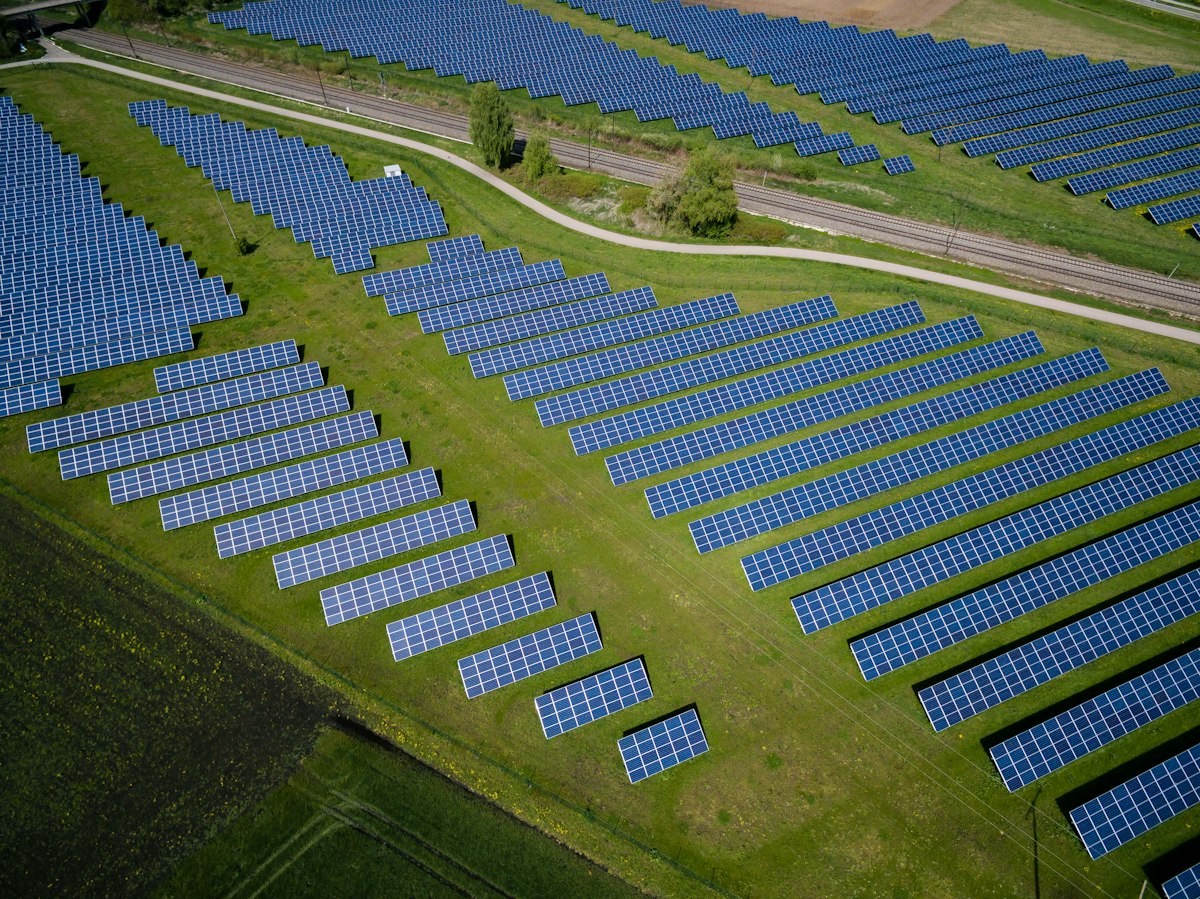
As Texas continues to dominate the U.S. energy landscape, recent regulatory changes have catalyzed a significant surge in solar energy installations across the state.
The Texas Public Utility Commission (PUC) announced on July 15, 2026, a series of regulatory reforms aimed at streamlining the interconnection process for renewable energy projects. These reforms have led to a dramatic increase in solar capacity, with more than 3,000 megawatts of new solar energy coming online in the first half of 2026.
Cities like Austin and San Antonio are at the forefront of this renewable revolution. Austin Energy recently reported that it expects to meet 70% of its customers' electricity needs with renewable sources by 2028. Meanwhile, San Antonio’s CPS Energy has committed to reaching net-zero carbon emissions by 2050, with ambitious plans to expand its solar footprint.
According to industry experts, this rapid expansion is not just a reflection of favorable state policies but also a response to the growing demand for clean energy nationwide. “The regulatory environment has finally caught up with the market demand for renewables,” said Dr. Emily Carter, a leading energy analyst at the Texas Energy Research Institute. “We are witnessing a pivotal moment in Texas’s energy transition.”
Investment in solar technology is surging as well, with companies like First Solar and Enphase Energy establishing new operations in Texas. In June, First Solar announced a new $600 million manufacturing facility in the Texas Panhandle, which is expected to create over 1,500 jobs and double the company’s production capacity.
This boom in solar energy not only highlights Texas’s potential as a renewable energy leader but also raises important questions about the resilience of the state’s energy grid. The 2021 winter storm exposed vulnerabilities in Texas’s grid, leading to a renewed emphasis on energy reliability alongside sustainability.
As solar energy becomes an increasingly important part of the Texas energy mix, the challenge will be to ensure that the grid can handle the intermittent nature of solar power. “We need to invest in energy storage solutions and grid infrastructure to support this growth,” cautioned PUC Chairman Peter Lake.
In response to these concerns, the state has allocated $150 million for projects aimed at enhancing grid resilience and integrating renewable energy sources effectively. The future of Texas’s energy landscape looks brighter than ever, as an investment in renewables promises not only environmental benefits but also economic growth in the years to come.